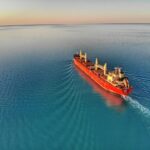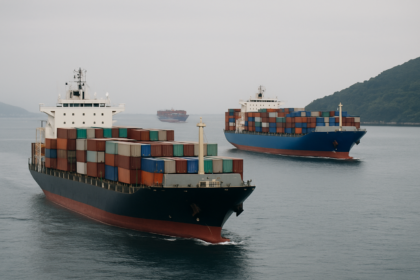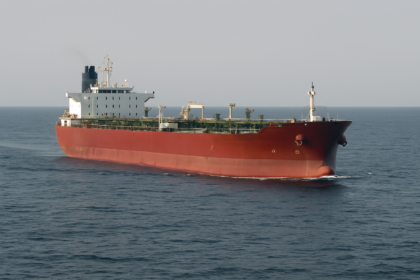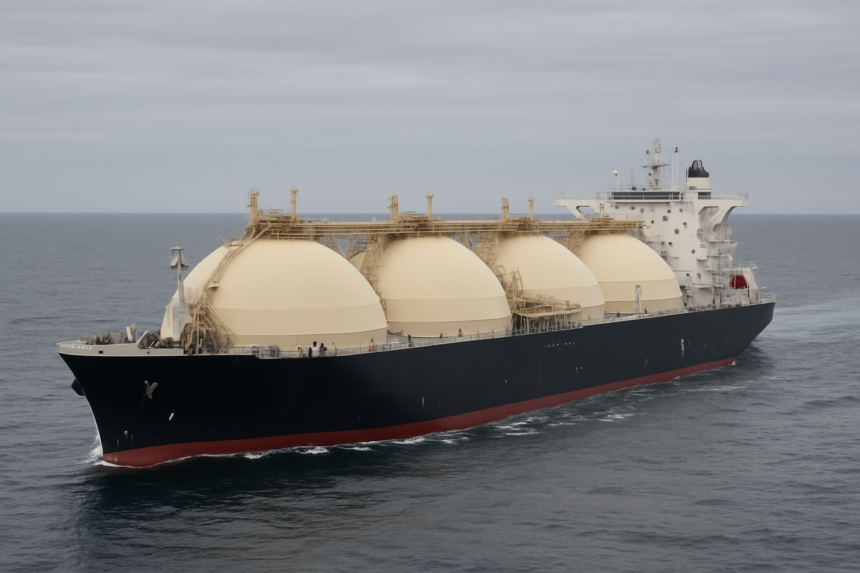
A Korean-flagged liquefied natural gas (LNG) carrier has successfully navigated through the Strait of Hormuz, marking a pivotal moment amidst the ongoing blockade in the region. This development, announced on June 11 by the Ministry of Oceans and Fisheries, follows the earlier escape of another tanker and offers a potential pathway for improving logistical operations for vessels facing similar challenges.
The Incident
The LNG carrier, which was confirmed to be carrying eight crew members, including Korean nationals, was able to traverse the strait after thorough consultations between the shipping company and its foreign charterer. This decision was predicated on assessments that local conditions permitted safe navigation. The specific details of the vessel, including its name and exact route, have not been disclosed to ensure the safety of the crew and the operational integrity of the shipping company.
Impact on Shipping Operations
With this successful transit, the number of Korean-related vessels stranded in the Strait of Hormuz has decreased from 25 to 24, leading to a reduction in the total number of Korean crew members stranded in the tense area, which has fallen from 147 to 139. Among those remaining, 105 are from Korean vessels while 34 belong to foreign vessels. The government is actively collaborating with the international community to monitor the situation and expedite the safe return of remaining ships.

Market Reactions and Future Outlook
This successful navigation is viewed as a benchmark for other vessels awaiting safe passage through the strait, with market experts suggesting that it may lead to increased confidence in future transits. However, as the LNG carrier’s destination is set for a third country, its impact on South Korea’s domestic energy supply is deemed limited. The shipping industry will closely monitor the developments to gauge whether other vessels can achieve similar successes in the current geopolitical climate.
Behind the Headline
This incident illustrates the operational pressures faced by shipping companies and their crews as they navigate high-risk areas like the Strait of Hormuz. Despite the success of this transit, the broader situation remains precarious, and the focus on crew safety and operational readiness is paramount. The industry will remain vigilant as more vessels attempt similar routes, with eyes on regional security developments that could either pave the way for safe passages or complicate ongoing logistics operations in this critical maritime chokepoint.