The U.S. Treasury Department announced new sanctions on Thursday aimed at disrupting a network of shipping companies and tanker operators involved in Iranian petroleum and petrochemical trades. This development underscores continued U.S. efforts to apply economic pressure on Tehran’s maritime export system amid ongoing tensions in the Strait of Hormuz.

Details of the Sanctions
The sanctions, issued by the Treasury Department’s Office of Foreign Assets Control (OFAC), added several shipping firms, vessels, and trading entities to the Specially Designated Nationals (SDN) list. The newly sanctioned companies operate in various locations, including Hong Kong, the UAE, India, Qatar, Singapore, China, Liberia, and the Marshall Islands. Notable entities include Dubai-based Symphony Shipping and Maritime Management, Hong Kong-based Agility Shipping Limited, and Marshall Islands-registered Trastok Shipping Co.
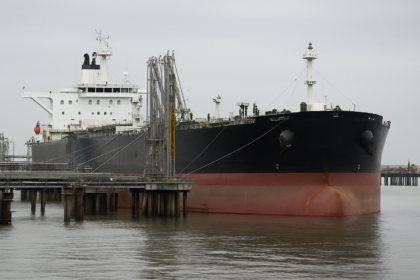
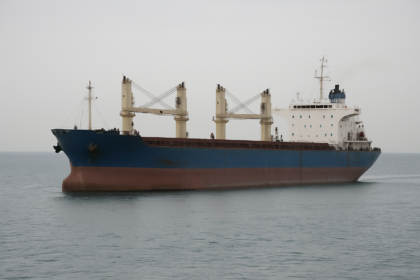
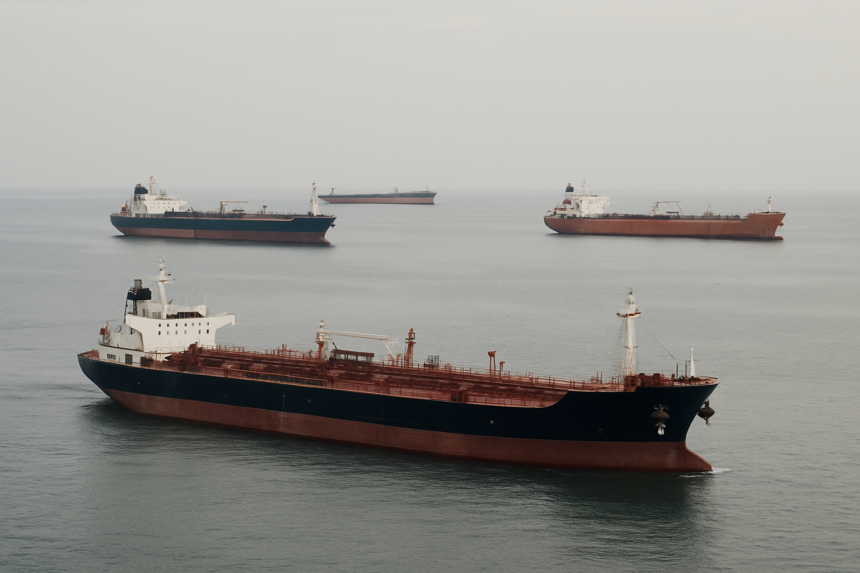
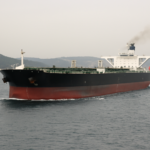
Additionally, OFAC designated eight vessels allegedly linked to these companies, including the crude oil tankers RCELEBRA, THEA, ILL GAP, and HAUNCAYO, in conjunction with several aging product and chemical tankers. This move is part of the broader strategy to tighten controls on Iran’s energy exports and maritime logistics networks.

Broader Implications
The sanctions package also targeted commercial intermediaries, such as Rishabh Triexim LLP and Growth Trading Co. in India and Hong Kong, which are thought to have facilitated transactions related to Iranian energy exports. Several of the entities were designated under Executive Order 13846, specifically targeting support for Iran’s petroleum sector. This reflects Washington’s ongoing commitment to disrupt what is described as a burgeoning “shadow fleet” supporting sanctioned oil trades through complex ownership structures and lightly regulated maritime jurisdictions.
In the context of ongoing discussions between the U.S. and Iran aimed at potentially reopening the Strait of Hormuz for unrestricted commercial shipping and extending a ceasefire by 60 days, these sanctions illustrate the complexities involved in maritime operations related to Iranian exports.
The Operational Read
For shipping operators, the latest sanctions represent significant operational hurdles. The inclusion of specific firms and vessels on the SDN list complicates vessel chartering and trade negotiations, limiting the options available for operators seeking to engage in compliant trade. With the U.S. intent on disrupting operational frameworks that support sanctioned activity, maritime logistics firms must continuously monitor compliance risks associated with Iranian dealings. As tensions mount in the Strait of Hormuz, operators are advised to assess routes and cargoes carefully. The evolving landscape of sanctions will necessitate agile responses from charterers and shipowners alike, reinforcing the importance of maintaining transparency and due diligence in maritime operations.