The Incident
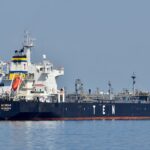
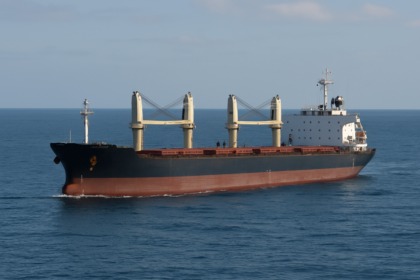
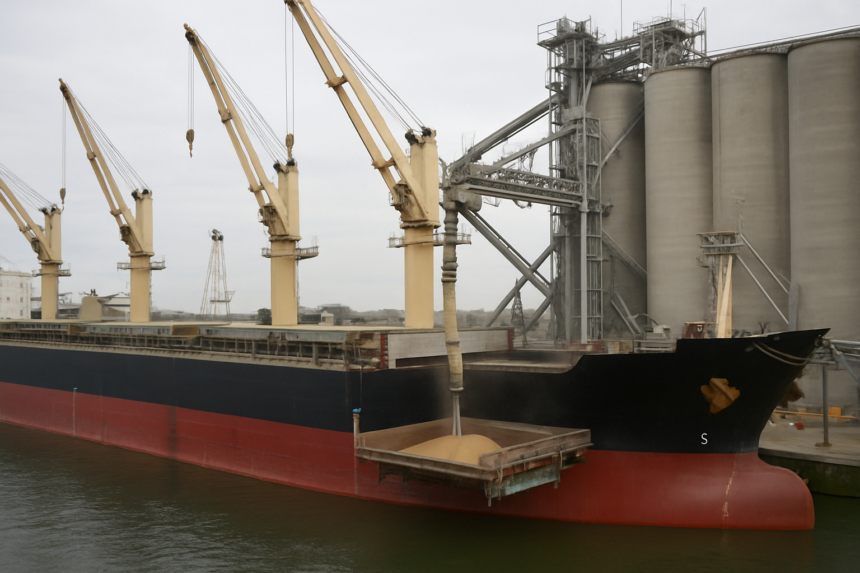
As of August 26, up to 70 vessels are queued off the Sulina Canal, facing significant delays in accessing Ukrainian ports for grain loading. The backlog is attributed to a shortage of pilots and the prioritization of other cargoes, including fuel. These logistical challenges have been exacerbated since Russian attacks disrupted access to Ukraine’s Black Sea ports, previously responsible for 90% of the country’s grain exports.
Market Impact
Since the onset of the conflict, Ukraine has had to reroute grain shipments through Danube river ports, which have considerably lower capacity compared to the blocked Black Sea ports. According to the consultancy ASAP Agri, daily movement through the Sulina Channel has dwindled to five to seven vessels, with some days seeing only two to three vessels able to transit.
The economic implications of these delays are significant. Each day of wait can lead to costs upwards of $8,000 per vessel, which contribute to rising freight rates affecting not just local exporters but global commodity markets. The urgency of this situation is further intensified by frequent air raid alerts, which routinely suspend port operations.


Operator Response
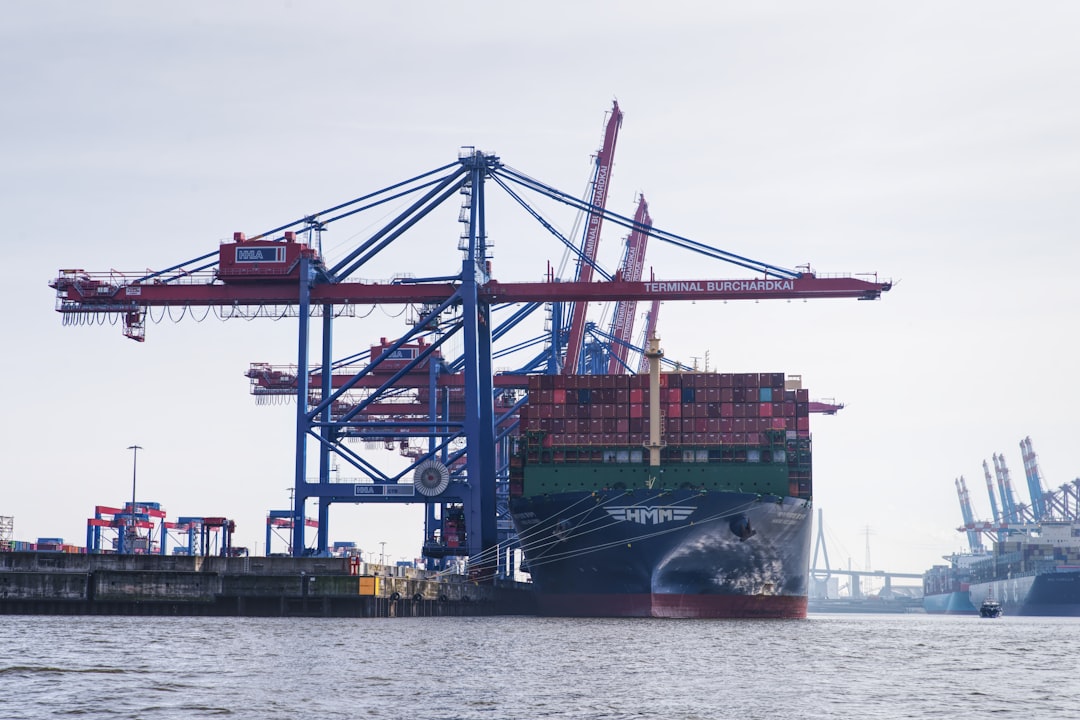
Operators have begun adjusting their routes and schedules to cope with the constraints. Although the capacity for grain transport via the Danube spiked in the previous year—peaking at 2.5 million metric tons monthly—current export volumes remain considerably lower. In August, Ukraine has exported around 539,000 tons of grain from August 1 to August 21, a notable decline from 1.73 million tons in the same timeframe last year. However, state railway operator Ukrzaliznytsia has reported that grain transport to Danube ports in August is 11 times greater than in July, indicating a slow recovery trend despite overall challenges.
The Operational Read
For shipping operators, the bottleneck at the Sulina Canal represents a critical operational challenge amid ongoing geopolitical tensions. The combination of pilot shortages, competing cargo priorities, and sporadic weather disruptions underscores the fragile nature of grain logistics from Ukraine. As the demand for grain exports remains high, operators must strategize effectively to mitigate escalating costs, with attention to potential weather impacts that could further hinder operations. Future monitoring of pilot availability and channel capacity will be crucial as operators navigate these significant logistical hurdles.