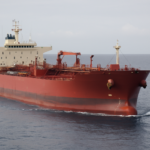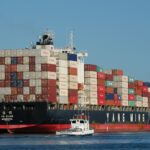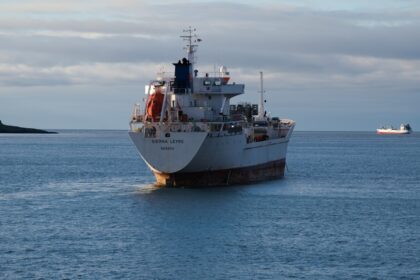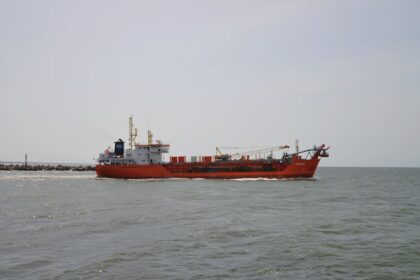
Recent clashes between Russian and Ukrainian forces have severely impacted maritime shipping in the Sea of Azov, as strategic grain export ports become battlegrounds. Ukraine targeted four vessels with drones in Taganrog Bay, resulting in the death of a sailor aboard one of them and fires on multiple ships. Emergency services reported that fires were fully extinguished by Saturday morning.
On Saturday, Ukrainian drone unit commander Robert Brovdi, known as Madyar, claimed that Ukraine struck 28 Russian vessels overnight, raising significant alarms within the grain export industry. This escalatory move follows a Friday strike in the same region that had already disrupted shipping activities through a vital export corridor.
The Incident
The escalating tensions have led to a temporary halt in shipping through the Don-Azov Channel, a critical route linking the Don River with the Sea of Azov. Additionally, the Kerch Strait, which links the Sea of Azov with the Black Sea, was closed by Russian authorities after the latest incidents. This closure presents further risks to the logistics of grain shipping, vital for both nations and the global market.

Market Impact
These hostilities are already reflecting on global markets, with wheat prices experiencing a significant spike as traders react to the potential disruptions. The closure of these key waterways has raised concerns over food supply chains, particularly as Ukraine continues to be a major supplier of grain amid the ongoing conflict.
Operator Response
Shipping operators should brace for increased insurance costs and heightened war-risk premiums in the affected regions. The vulnerability of vessels and infrastructure has become more pronounced, prompting reevaluation of routing and logistics strategies in light of these recent developments. Ongoing conflicts may lead operators to explore alternative corridors and increase reliance on already strained maritime routes.
The Operational Read
This escalating maritime conflict underscores the precarious situation for shipping operations in the Black Sea and Sea of Azov. For vessel operators, the immediate focus should be on risk assessment and potential rerouting to avoid conflict zones. The likelihood of increased demurrage due to port closures and delays should also be factored into operational planning. Stakeholders must closely monitor developments while preparing contingency plans for prolonged disruptions in this region, which remains critical for global grain trade.