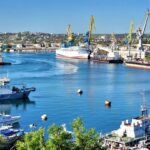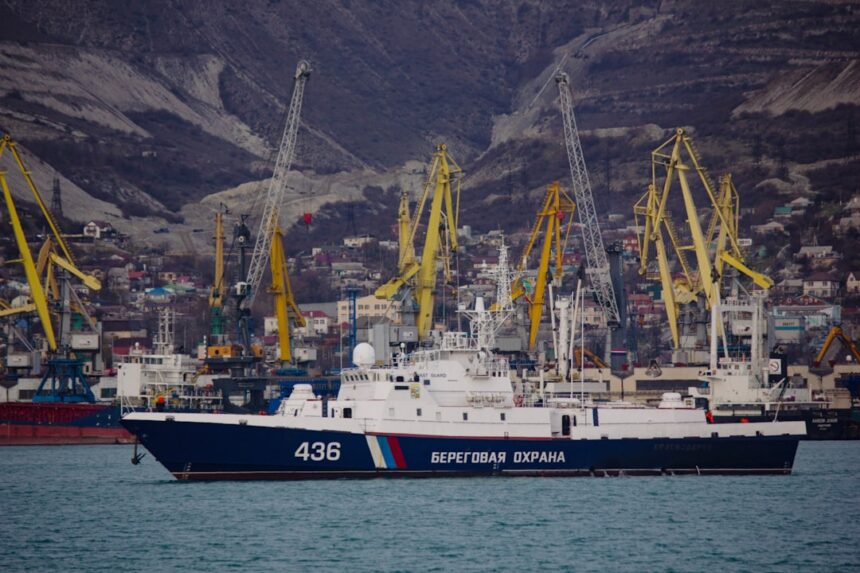
Ukraine has formally proposed a truce aimed at halting drone attacks on civilian shipping in the Black Sea, an area increasingly fraught with tensions due to ongoing military actions. This initiative comes as Ukraine’s maritime conflict extends beyond its borders, affecting major Russian energy export points in the Baltic Sea region.
The Proposal
Through a third-party mediator, the Ukrainian government has suggested a mutual suspension of attacks on civilian maritime vessels. This diplomatic move seeks to alleviate the risks posed to commercial operations while highlighting the need for a more secure navigational environment in the Black Sea.
Regional Implications
The maritime conflict has escalated dramatically, with Ukrainian military actions reportedly stretching over 1,000 km into Russian territory. As Ukraine intensifies its efforts against Russian maritime assets, the security of civilian shipping routes is becoming critically uncertain. The strategic nature of the Black Sea, vital for energy exports, adds further urgency to Ukraine’s appeal for a temporary ceasefire, especially as significant supplies of oil and gas transit through these waters.



Market Impact
The uncertainty surrounding Black Sea operations has sparked concerns among shipping operators regarding potential disruptions and increased insurance costs due to perceived war risks. The threat of drone strikes heightens the stakes for those involved in commercial shipping, prompting calls for enhanced security measures and contingency planning as the region’s geopolitical landscape continues to evolve.
The Operational Read
The proposed shipping truce underscores the precarious nature of maritime operations in the Black Sea, where the intersection of military conflict and commercial activities creates significant operational challenges. Shipping companies must closely monitor geopolitical developments and adjust their risk assessments accordingly. Operators may look to implement more robust safety protocols and potentially reroute through less risky waters, particularly as ongoing hostilities continue to pose threats to civilian vessels. Vigilance and adaptive strategies will be essential as the situation unfolds, and the maritime community awaits further responses from both Ukraine and Russia regarding the proposed ceasefire.