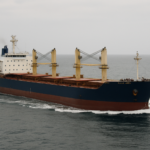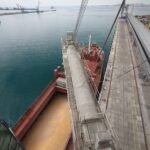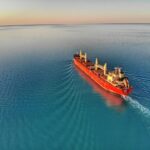
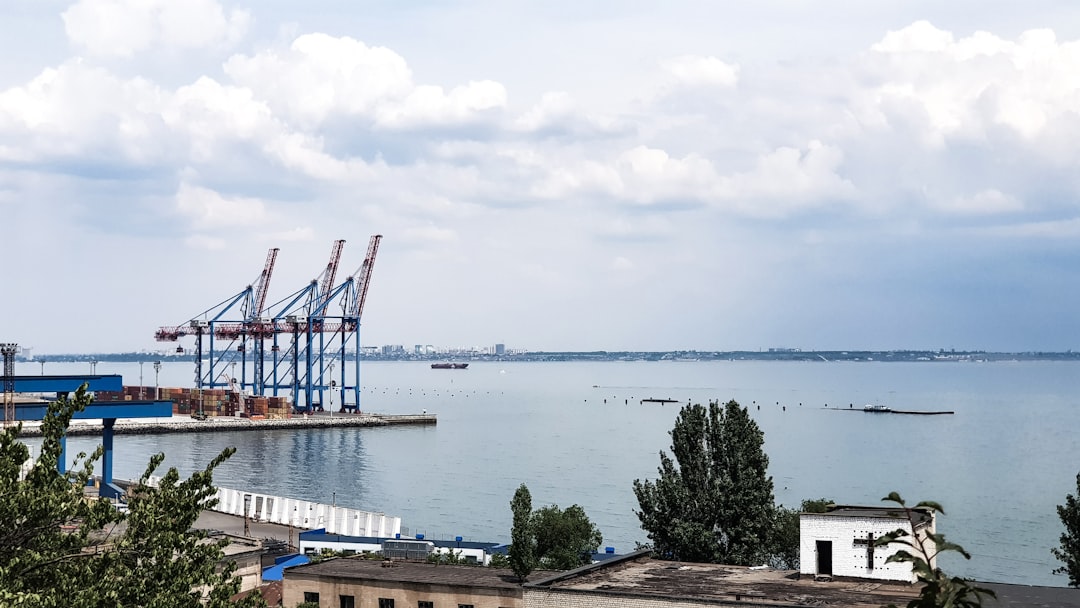
Shipowners have temporarily suspended vessel arrivals at Ukraine’s Black Sea ports in response to increased Russian missile strikes targeting logistics and port infrastructure. According to President Volodymyr Zelenskiy, no vessels entered the ports as of Thursday, a stark warning of escalating hostilities affecting vital grain exports. The heightened attacks have raised concerns over the safety of shipping operations in this strategic corridor during the critical harvest period.
The Incidents and Impact
Reports indicate that Russian forces have conducted a series of attacks on shipping vessels, with dire consequences. A recent missile strike on a ship carrying corn resulted in the deaths of 10 individuals, primarily foreign nationals. Data from Ukrainian prosecutors reveals that from June 20 to July 20, Russia targeted 28 civilian vessels, leading to the deaths of 21 people. This level of aggression has prompted shipowners to cease port operations, instead shifting focus to the escalating risk environment.
Ukraine’s Agriculture Minister, Taras Vysotskyi, emphasized that the state has not imposed restrictions on maritime operations yet, indicating a shift in the operational landscape driven by external threats. The cumulative impact of these strikes has led to a documented loss of approximately one-third of Ukraine’s grain export capacity through its Black Sea ports since late June, highlighting the critical juncture for the nation’s economic stability.


Alternative Solutions
As the situation evolves, alternative export routes have been suggested, notably through Danube ports and rail-based logistics. Vysotskyi urged producers and traders to avoid hasty sales, as the operational dynamics may change rapidly, asserting that disruptions over extended periods would significantly affect annual export volumes. Furthermore, the acting foreign minister, Andrii Sybiha, characterized Russian strikes during the peak harvest season as acts of “deliberate economic and humanitarian terror.”
The Operational Read
For maritime operators, the halting of vessel arrivals at Ukrainian ports underscores the severe operational challenges posed by the current geopolitical climate. The inability to guarantee safety and cargo integrity raises significant risks for charterers and logistics providers, particularly during the peak season when export volumes are traditionally high. Moving forward, monitoring alternatives for agricultural shipments through land and river routes will be critical. This situation serves as a reminder of the interconnectedness of global supply chains and the ripple effects that regional conflicts can trigger in markets reliant on agricultural products.