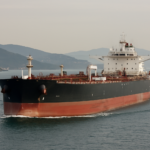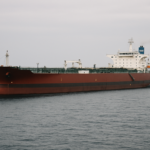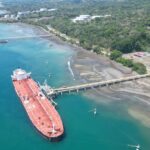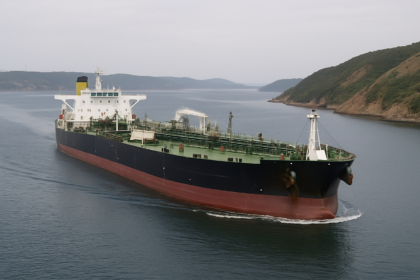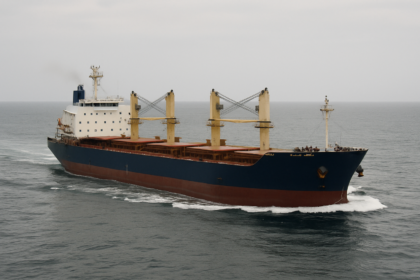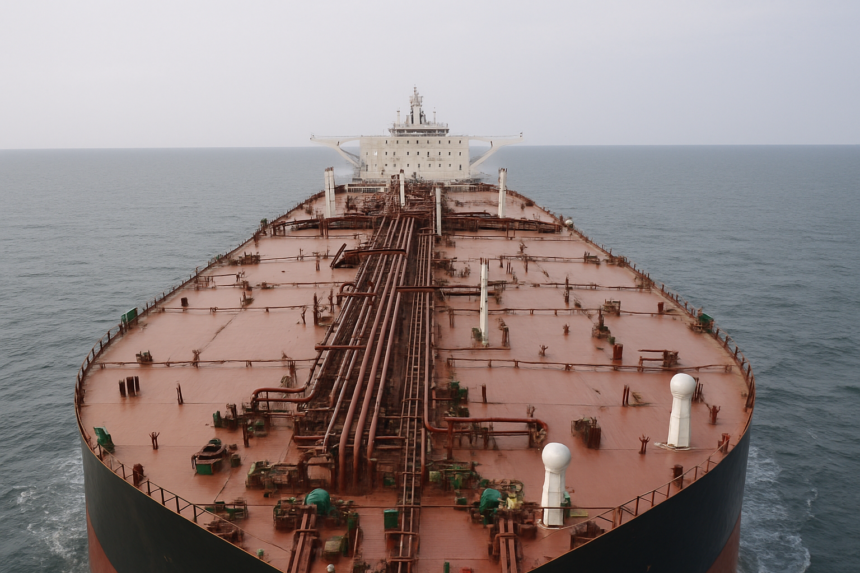
On 16 June 2026, at the G7 summit, the UK Prime Minister unveiled a comprehensive sanctions package aimed at Russia, specifically targeting the nation’s shadow fleet. The measures include the designation of 27 vessels, among which are 20 oil tankers, heightening the UK’s commitment to curbing Russia’s illicit oil trade that supports its military operations.
Targeted Actions and Implications
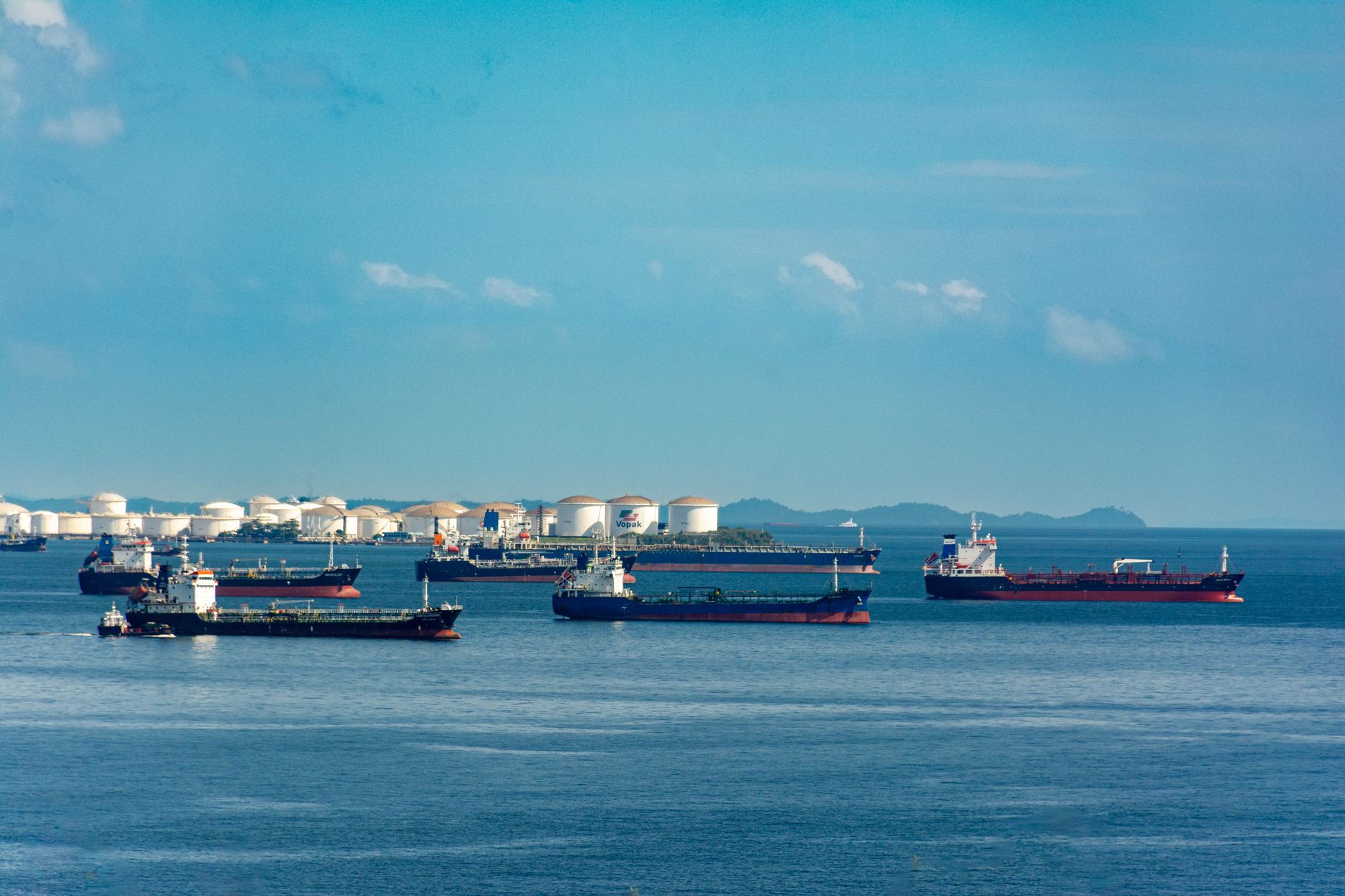
To date, the UK has imposed sanctions on more than 600 vessels identified as part of Russia’s shadow fleet, which operate outside of conventional maritime oversight. The latest package not only addresses these vessels but also seeks to hold accountable individuals and entities suspected of aiding the sale and operation of these ships. This extends to ship insurers and providers of various shipping services involved in facilitating Russia’s oil trade.
Furthermore, the sanctions package also includes 43 additional designations targeting entities and individuals linked to the supply of military equipment from countries such as China, Thailand, and Turkey to Russia. The UK aims to dismantle networks that assist Russia in bypassing sanctions, thereby tightening the net around its military and financial capabilities.

Recent Enforcement and Penalties
On 17 June 2026, the Office of Financial Sanctions Implementation (OFSI) imposed a £1 million fine on Sabre Global Technologies for allegedly allowing Russian carrier Ural Airlines to access its global distribution system for seven months after UK sanctions took effect in May 2022. This penalty, regarded as the largest since the onset of the sanctions regime post-invasion, underscores the UK’s rigorous enforcement stance.
The crackdown reached a new level with a UK-led operation on 14 June 2026, where Royal Marine Commandos, alongside National Crime Agency officers, boarded the Russian shadow fleet vessel SMYRTOS in international waters. This operation signifies the UK’s readiness to extend its enforcement actions beyond typical jurisdictional boundaries, with the vessel subsequently taken to an anchorage off the south coast of England.
Market Reaction and Future Watch
The UK government’s recent decisions, including the introduction of general trade licenses for processed oil imports derived from Russian crude, reflect both a balancing act and a proactive stance to mitigate potential economic repercussions in domestic oil and gas markets amidst ongoing geopolitical tensions.
The Operational Read
The intensifying sanctions against Russia’s shadow fleet represent a pivotal shift for maritime operators engaging in the global oil trade. Companies must now navigate a complex regulatory environment where compliance is paramount to avoid severe penalties like those imposed on Sabre Global Technologies. As enforcement measures escalate, stakeholders should closely monitor operational changes, particularly related to vessel insurance and logistics. Shipping routes may be influenced by heightened risks of sanctions enforcement, making it crucial for operators to ensure robust compliance frameworks are in place to mitigate exposure. As enforcement strategies evolve, vigilance and adaptive operational strategies will be essential for industry players moving forward.