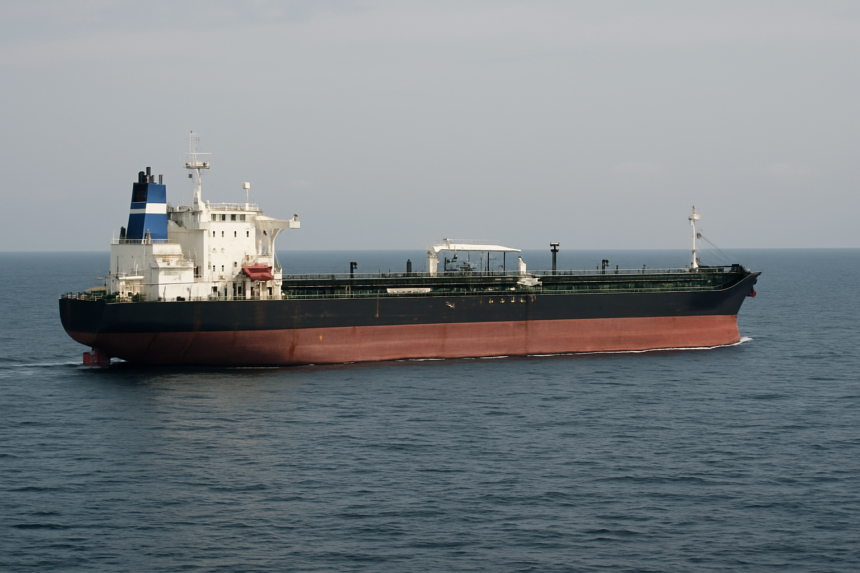
The current state of the tanker market is under scrutiny due to geopolitical tensions centered around the Strait of Hormuz. As the shipping crisis unfolds, industry operators are expressing concerns about the implications of a significant order book alongside the aging, sanctioned fleet.
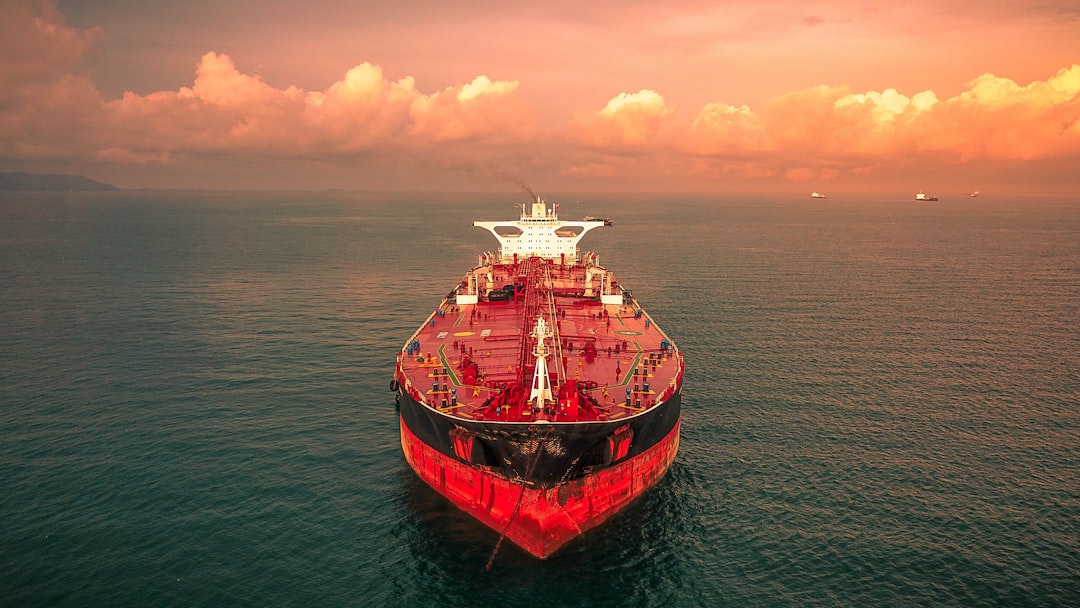
Current Order Book Status
As of the latest estimates from BIMCO, the crude tanker order book has ballooned to nearly 25% of the existing global fleet, marking the highest level since the 2008 financial crisis. The product tanker order book follows closely at nearly 20%. This surge in newbuilds has led to discussions regarding potential oversupply and its impact on tanker rates.
Antonis Kanellakis, executive director of Pantheon Tankers, has indicated that, despite concerns, the current order book is manageable when factoring in the fleet’s sanctions. With 1,189 oil and LPG tankers sanctioned due to trade restrictions with Russia, Iran, or Venezuela, the importance of addressing these older vessels becomes pivotal. Kanellakis commented that given the poor condition of these aged ships, they are expected to phase out eventually.


Demand Projections and Market Fluctuations
Contrasting views on the tanker market have emerged from industry executives. Yiannis Procopiou, CEO of Centrofin Management, noted the unprecedented size of the order book, emphasizing a forecasted softening of rates as new vessels enter the market. Procopiou stated that while the recycling of sanctioned ships will not happen quickly, the gradual process could lead to depreciated market conditions.
Meanwhile, industry analysts are echoing concerns over demand, particularly amid recent geopolitical events. Iran’s control over the Strait of Hormuz has resulted in a staggering 90% drop in vessel crossings relative to prewar conditions, leading to intensified competition for tanker capacity. Reportedly, the Platts Global Dirty Tanker Index saw rates surge from $170,409 per day in February to $401,138 in early March before settling at $221,657 per day by late May.
The International Energy Agency has further weighed in, projecting an overall decline in global oil demand by 420,000 barrels per day this year, raising alarms about potential ‘demand destruction’ stemming from these geopolitical tensions.
Environmental Concerns and Regulatory Response
The recycling of sanctioned vessels poses not only operational challenges but also significant environmental risks. Executives from Bahri and Capital Maritime & Trading have urged Western authorities to find legal frameworks to promote the scrapping of the aging fleet. Bahri CEO Ahmed Ali Alsubaey strongly emphasized the urgent need for such initiatives to prevent possible environmental catastrophes associated with unregulated vessels.
As the industry treads carefully, the collective insights suggest that maintaining a balance between fleet capacity, demand sustainability, and regulatory compliance will be paramount for operators in navigating the tanker market’s future.
The Operational Read
The current trajectory of the tanker market highlights the critical intersection of supply dynamics and geopolitical stability. For operators and charterers, understanding the implications of an extensive order book alongside the aging, sanctioned fleet is essential. The phased withdrawal of older vessels may alleviate some market pressure, but the projected decline in demand could counteract these effects. Monitoring regulatory actions aimed at facilitating safe recycling, alongside demand trends from key importing nations, will be vital for strategic planning. Operators should prepare for potential volatility as the market adjusts to these compounded challenges.