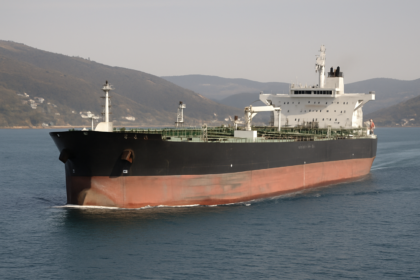
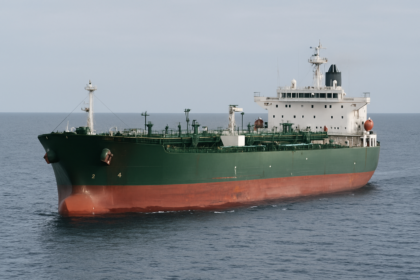
On June 26, vessel traffic through the Strait of Hormuz decreased notably following an attack on a Taiwanese-operated ship. This incident has raised alarms about maritime security in one of the world’s most significant shipping corridors. The vessel, reported to have been struck by an ‘unknown object’ near Omani waters, has led to the temporary suspension of a UN initiative designed to facilitate the evacuation of stranded ships and their crews.
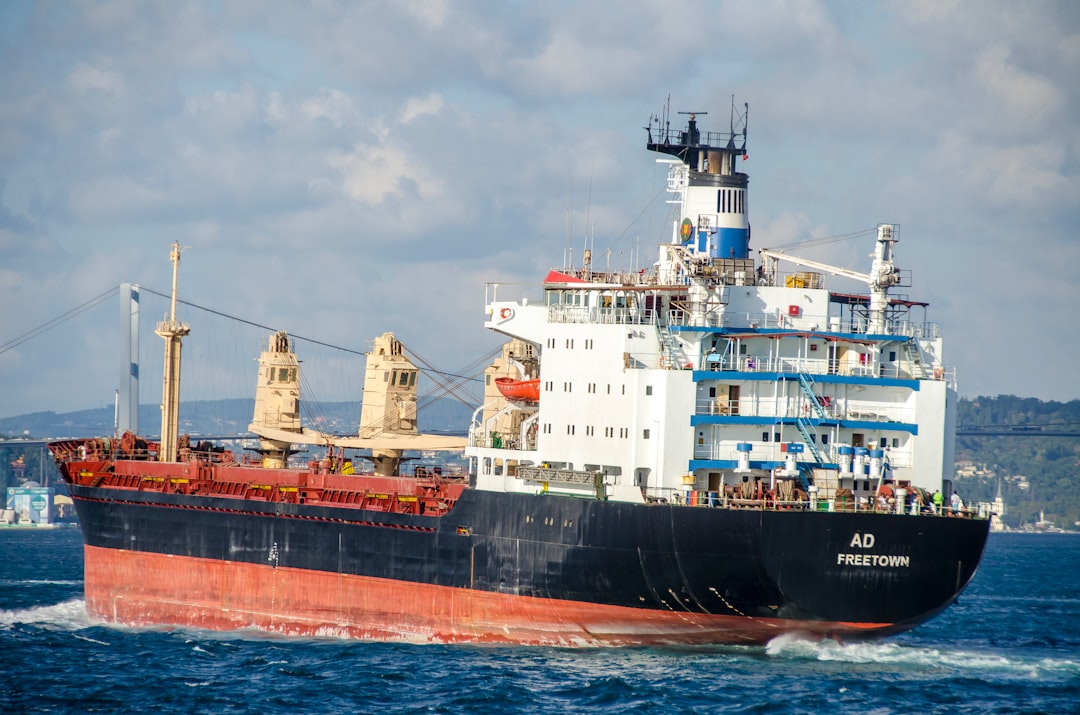
Recent Developments
According to ship tracking data from LSEG and MarineTraffic, the number of tankers transiting the strait dropped to 13 on Friday, down from 24 the previous day. This decrease underscores the impact of the recent escalation in hostilities in the region. Nevertheless, four tankers, including three very large crude carriers with a capacity of up to 2 million barrels each, entered the Gulf to load oil, showcasing a continued, albeit cautious, demand for crude in the market.
Shipping industry analyst Jakob Larsen noted that the attack poses a setback for evacuation plans and the resumption of transit activities through the strait. Assurance of safe passage remains elusive without clear agreements between the U.S. and Iran, as emphasized by Iran’s deputy foreign minister, Kazem Gharibabadi.

Market and Traffic Implications
The attack and resultant decrease in traffic come amid ongoing fluctuations in crude oil prices, which fell by more than 3% on the same day due to easing supply concerns. This decline in price follows a period where the market experienced disruptions due to reported conflicts involving Iran and regional players. Analysts highlight that loading activities have resumed in the Gulf, indicating a potential for increased supply.
Before the recent conflict escalations, average daily sailings through the Strait were approximately 125 vessels, but current numbers reveal a stark contrast with only 62 documented transits on June 24, representing about 53% of the traffic from the same day last year.
The Operational Read
The recent attack on the Taiwanese vessel has far-reaching implications for maritime operations in the Strait of Hormuz, a vital chokepoint for global oil supply. Operators are now faced with increased risk assessments and might adapt their routing strategies to avoid high-risk areas. The temporary pause of evacuation efforts reflects the need for enhanced security protocols and international cooperation to ensure safe passage. Looking ahead, it will be crucial for stakeholders to monitor developments in U.S.-Iran relations and any subsequent impacts on shipping traffic in this critical region, as disruptions could influence both freight rates and global supply chains.