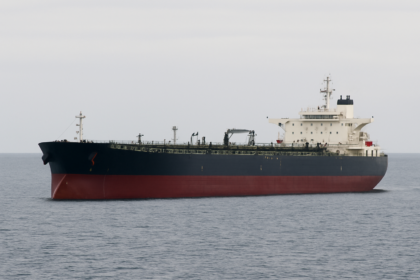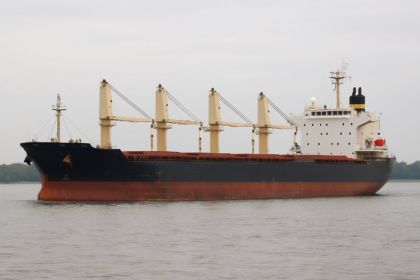
Vortexa has issued a warning regarding the impending contraction of the crude oil supply cushion, estimating that significant tightening could occur in the next two to three months unless geopolitical conditions stabilize. With diminishing inflows to the Atlantic Basin and a notable inventory draw by China, the industry faces increasing risk factors.
During a recent webinar, David Welch, chief economist for Vortexa, emphasized the potential for a market squeeze, stating that while current supply appears sufficient, there are no guarantees for future stability. If current trends persist, he noted, China could effectively deplete its crude buffer, which accumulated during the past year, within approximately four months.
Current Dynamics in Gulf Oil Trade
Vortexa experts highlighted that the nature of oil trade in 2026 is adapting under pressure, with the Strait of Hormuz operating under selective conditions. Claire Jungman, Vortexa’s director of maritime risk and intelligence, elaborated on how this has led to reduced visibility for vessels traversing the region. Operators are increasingly turning to ship-to-ship (STS) transfers, along with pipelines and longer alternate routes, resulting in higher operational costs and risks.

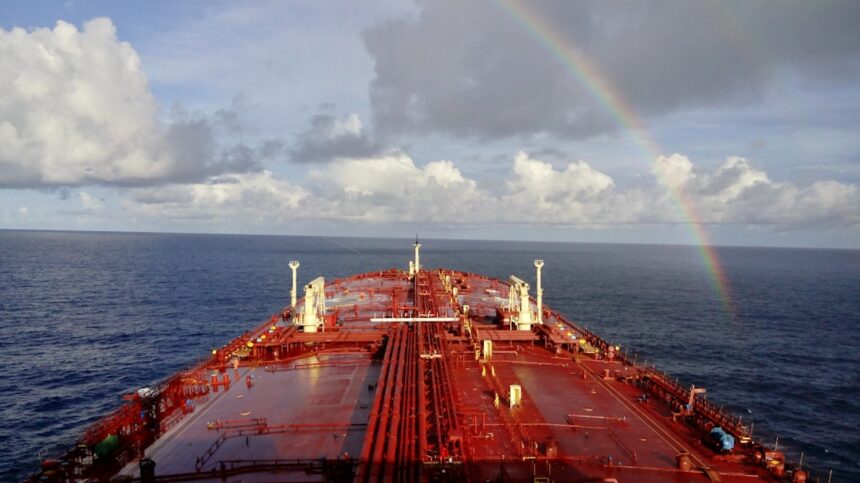
Recent analytics reveal that STS transfers have become a crucial logistical backbone for the Gulf’s oil export operations, comprising 57% of crude exports in July, a stark rise from merely 12% one year prior. For example, a single Very Large Crude Carrier (VLCC) can transport around 2 million barrels. Thus, even a limited number of crossings can significantly bolster regional export figures.

Emerging Logistics and Risks
Current trends show that vessel activity is more visible, with five dark-styled crude STS transfers recorded in the Pujara transfer zone recently. Jungman noted that while the continued movement of crude should not mislead stakeholders into believing that normal shipping practices have resumed, adaptations are being made. She explained that this STS activity is increasingly associated with mainstream crude from the UAE, Kuwait, and Iraq, moving beyond its historical ties to sanctioned Iranian trade.
Furthermore, operational adjustments are marked by an evolution in logistics where ferrying cargo via STS transfers may mitigate final carrier exposure but concurrently increases challenges in cost, time, and documentation. This complexity has implications for both suppliers and buyers as the persisting geopolitical atmosphere complicates traditional shipping routes.
Additionally, the announcement by Houthi forces on July 20 regarding targeted Saudi shipping activities at Bab al-Mandab has prompted another layer of potential logistical shifts for Red Sea crude, potentially redirecting movements northward rather than southward.
The Operational Read
The evolving landscape of crude oil logistics highlights the necessity for operators to remain agile in adapting to geopolitical fluctuations. The increased reliance on STS transfers illustrates a significant shift in standard practices that now prioritize flexibility amidst heightened operational risks. As vessels undertake longer, more complicated routes, it is critical for stakeholders to monitor changes in costs and documentation requirements while assessing the viability of their supply chains. Future outlooks hinge on the geopolitical environment, making it essential for all maritime actors to prepare for potential market tightening and explore contingency measures.