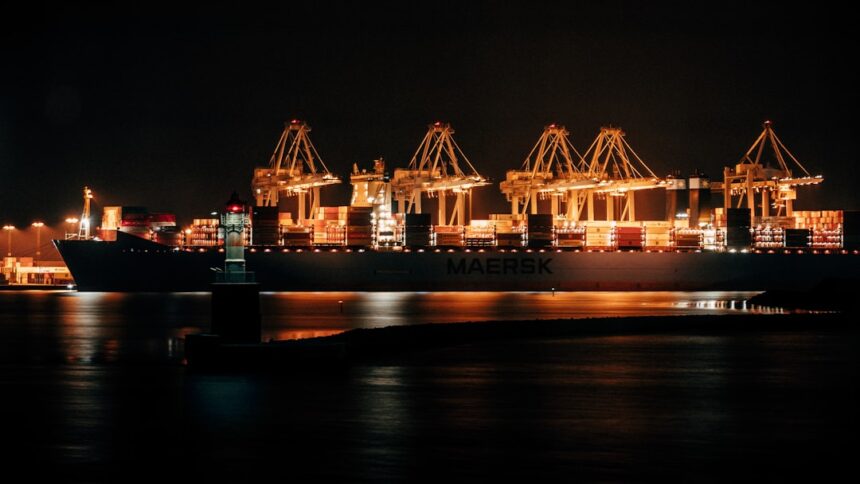
UK ports are confronting significant barriers to achieving maritime decarbonization as highlighted in a recent summary by the Department for Transport, released following its call for evidence on the ‘Net Zero Ports: Challenges and Opportunities.’ The report, published on Friday, indicates that long delays for grid connections and escalating energy costs could impede the sector’s transition to net-zero emissions targets by 2050.
Electricity Capacity Requirements
The Department for Transport’s consultation drew responses from 65 stakeholders, including 17 port companies and multiple trade associations. It emerged that current electricity capacities at major UK ports, typically measured in megawatts, average around 11.73 MW, with many ports already operating at or near this limit. In anticipation of increased demand driven by the electrification of cargo-handling operations, installation of shore power systems, and the advent of alternative marine fuels, port companies estimate that electricity capacity needs could surge by a factor of two to ten times.
Investment Implications
A troubling 69% of respondents indicated that insufficient electricity supply has resulted in lost opportunities for investment. The prolonged lead times for grid upgrades, which can extend up to 15 years, raise concerns about the competitiveness of UK ports. Some operators reported potential delays in grid access that could stretch connections intended for 2030 as far out as 2039.

This situation has already influenced operational decisions, with some cruise and ferry operators opting for European ports that offer lower prices and better shore power availability. In light of these constraints, ports are struggling to invest in electric vessels and the infrastructure required for green fuel production.
Alternative Fuel Infrastructure Challenges
Efforts to develop infrastructure for alternative fuels such as methanol, hydrogen, and ammonia face similar obstacles. Participants reported that the timeline for establishing full bunkering and charging capabilities would typically range from five to ten years, with some projects extending toward 2050. The estimated costs for establishing electric charging infrastructure present a significant barrier, ranging from £45,000 per berth to upwards of £20 million, heavily influenced by vessel size and energy needs.
Despite the challenges, the consultation revealed support for regulatory measures aimed at reducing emissions while vessels are at berth, with 76% of respondents favoring such initiatives. Shore power is regarded as a viable short-term option to facilitate emissions reductions, although high capital costs and connectivity issues remain critical hurdles.
Why It Matters
The findings underscore the critical infrastructure challenges facing UK ports as they navigate the complex landscape of maritime decarbonization. Effective collaboration between government, port operators, and energy providers will be essential to enhance electricity supply and reduce costs. Stakeholders must address the investment barriers posed by grid constraints to foster a competitive maritime environment. As ports evolve for greater electrification and alternative fuels, understanding the operational realities will be key to meeting national emission reduction targets and ensuring the economic viability of the sector. Ongoing dialogue regarding regulatory frameworks and investment incentives will be crucial to support the necessary upgrades and innovations.