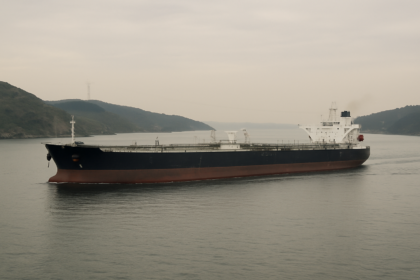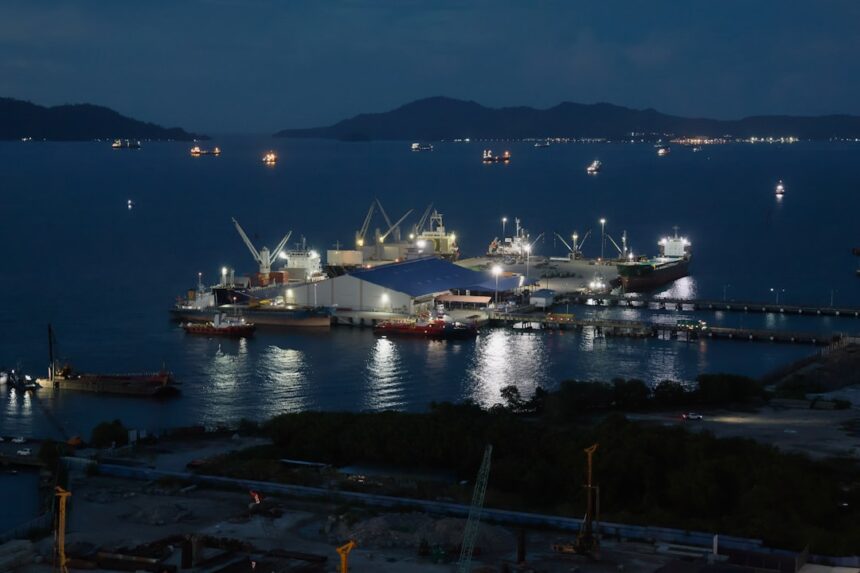
Singapore has entered into a significant partnership with Brazil, marking Brazil as the 10th nation to join Singapore’s green and digital shipping corridor initiative. This collaboration aims to enhance the global push towards sustainable shipping practices and facilitate the exchange of renewable fuels.
The Partnership Details
Under the newly signed agreement, Singapore and Brazil will establish a Green and Digital Shipping Corridor focused on promoting alternative marine fuels. This initiative aligns with Singapore’s strategy to maintain its status as the world’s largest bunkering hub while addressing environmental challenges in maritime operations. The partnership will not only enhance the supply chain for renewable fuels but also facilitate digital information exchange between the two countries, creating a framework for more efficient maritime activities.
Significance for Renewable Fuels
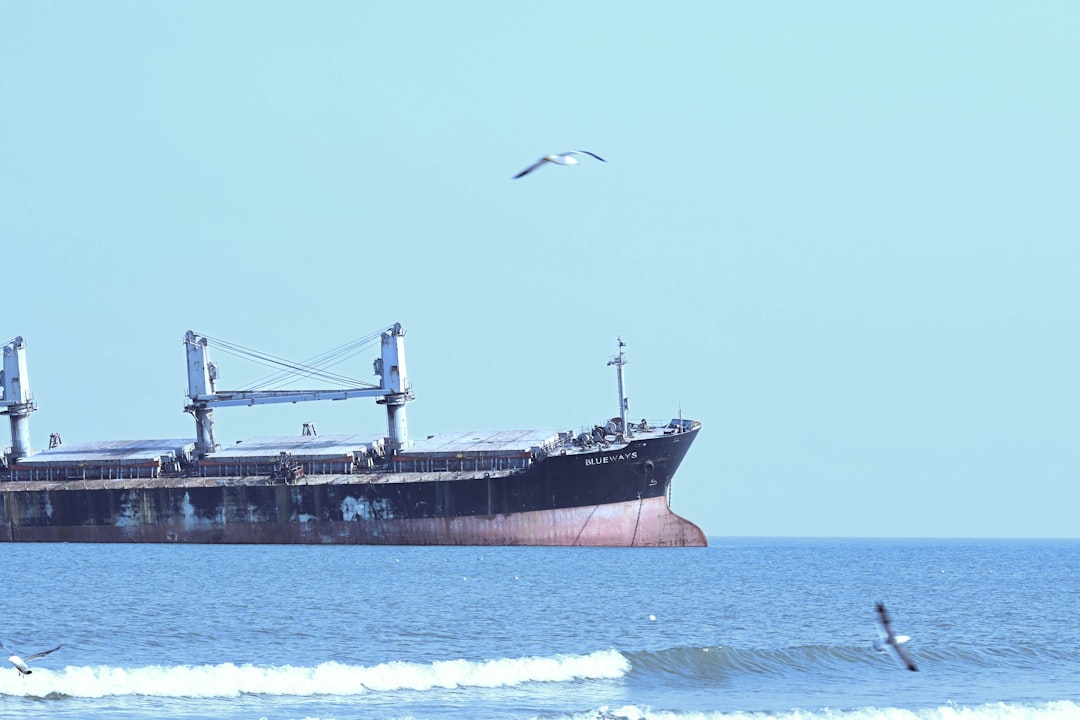
The inclusion of Brazil, a major emerging producer of renewable fuels, signifies a strategic expansion for Singapore in its green shipping initiatives. This corridor is expected to enable more sustainable vessel operations and reduce greenhouse gas emissions, reflecting the maritime industry’s trend toward sustainability.

Operational Implications
With this agreement, both Singapore and Brazil are poised to explore innovative solutions that enhance the operational efficiency of ships through advanced technology and alternative marine fuel use. As the push for decarbonization intensifies, partnerships like this are crucial for achieving global emission reduction targets.
Behind the Headline
The collaboration between Singapore and Brazil represents a pivotal move in the maritime industry’s transition towards greener practices. The operational impact is significant; operators can expect greater availability of renewable fuels and improved digital infrastructure to streamline processes. This partnership may also serve as a model for future green corridors, emphasizing the importance of global cooperation in addressing environmental challenges. Key stakeholders, including shipowners and charterers, will need to adapt to new regulations influenced by this initiative, particularly in areas concerning fuel sourcing and emissions reporting.