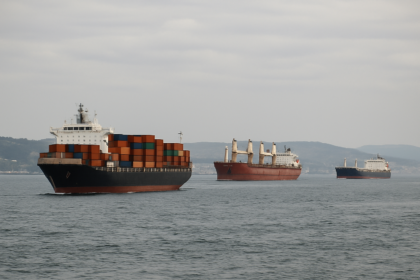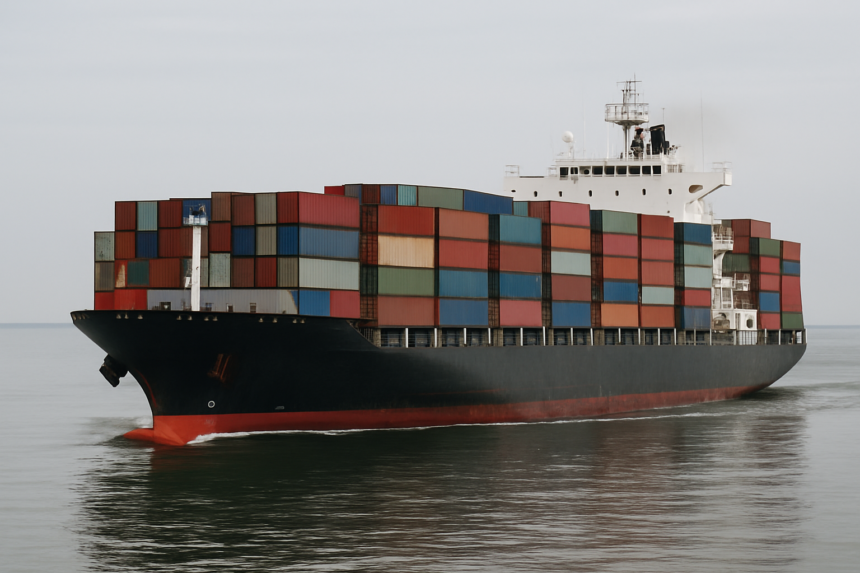
Greece’s reservations regarding the International Maritime Organization’s (IMO) Net-Zero Framework (NZF) were underscored during a forum at the Posidonia shipping exhibition on June 1. The Greek Minister of Shipping and Island Policy, Vassilis Kikilias, stated that the country, alongside its significant shipowning community, remains opposed to the adoption of the NZF in its current format.
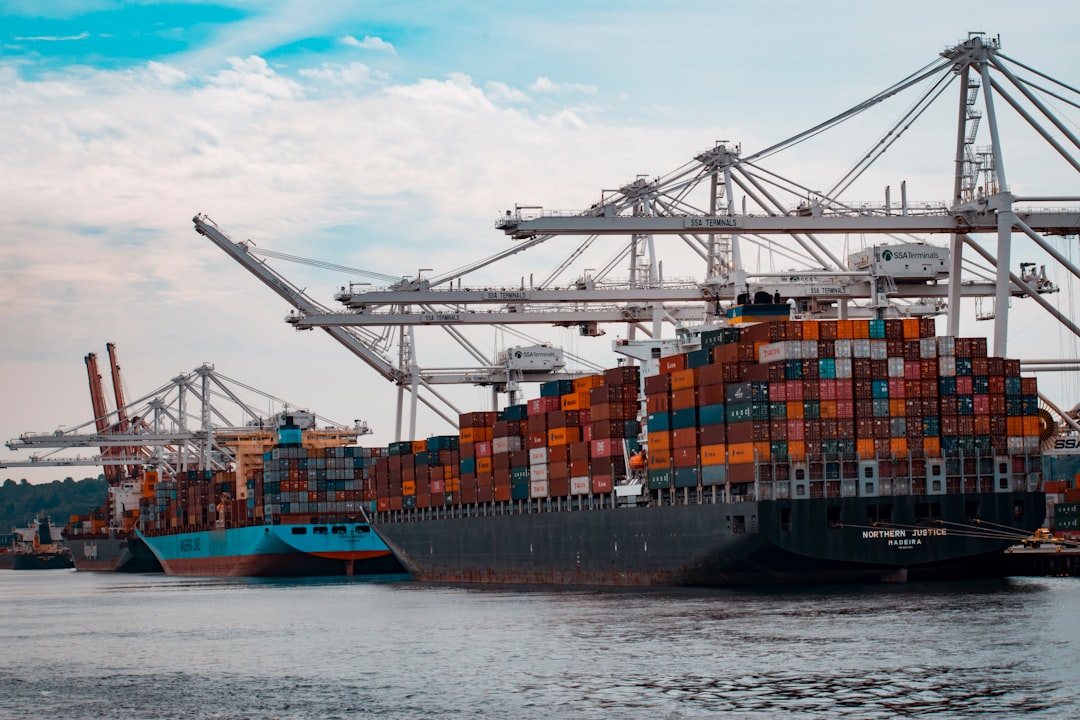
Greece abstained from a vote at the IMO in October 2025 that sought to delay NZF adoption for one year—an initiative that ultimately garnered broad support from other EU member states. Kikilias emphasized Greece’s desire for a cohesive global framework, stating, “We really want to cooperate and work with everyone. But we are present with our own policies.” Furthermore, the Greek government has sought to align with the U.S. and Saudi Arabia, both of which have expressed their own concerns about the NZF, advocating for a more realistic approach to energy transition strategies.
Geopolitical Context
The geopolitical landscape has shifted dramatically, particularly following the outbreak of conflict in the Strait of Hormuz on February 28, which has severely limited maritime traffic through this crucial chokepoint to levels 90% below pre-war conditions. Kikilias noted that this new context necessitates discussions not merely about transitioning to alternative fuels but rather addressing larger societal survival issues amid increasing oil and natural gas prices.


Current market conditions have prompted some policymakers to call for more urgent transitions to sustainable energy, whereas others caution against potential inflation and increased energy prices resulting from such shifts. Kikilias stated, “Let’s not destroy the economy with inflation. Let’s not increase the energy prices.” This perspective bears significant weight given that Greece houses a substantial share of global shipping assets.
Industry Opposition and Perspectives
Notably, major shipowners, including senior executives from the Angelicoussis Group and Dynacom Tankers Management, have openly criticized the NZF. Angelicoussis CEO Maria Angelicoussis expressed doubts regarding the framework’s enforceability and its potential to achieve genuine decarbonization. She remarked, “The framework that comes out should be rooted in pragmatism. And I think the Net-Zero Framework is probably the opposite of that,” highlighting concerns that regulations may impose taxes on fuels not yet available, such as green hydrogen.
Conversely, the IMO Secretary-General Arsenio Dominguez expressed optimism about reaching a consensus on the NZF despite the complexities introduced by geopolitical factors. As discussions evolve, the shipping sector must navigate the tension between regulatory compliance and economic viability.
Why It Matters
The ongoing debate regarding the IMO’s Net-Zero Framework underscores critical operational challenges for maritime operators, particularly in a landscape where geopolitical instability complicates energy supply chains. As shipping companies navigate increased fuel prices and regulatory pressures, the necessity for workable solutions that balance environmental targets with economic sustainability becomes ever more pressing. Moving forward, the shipping industry will be closely monitoring the outcomes of upcoming negotiations, particularly as they pertain to fuel availability and compliance with decarbonization goals.