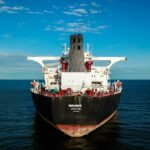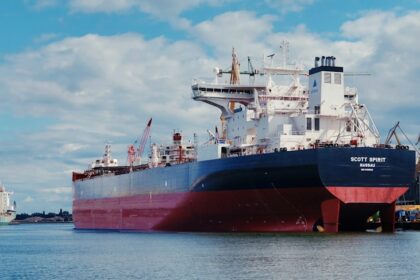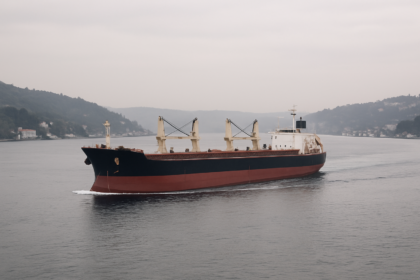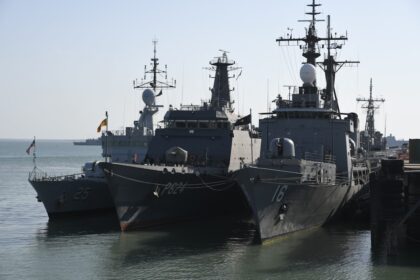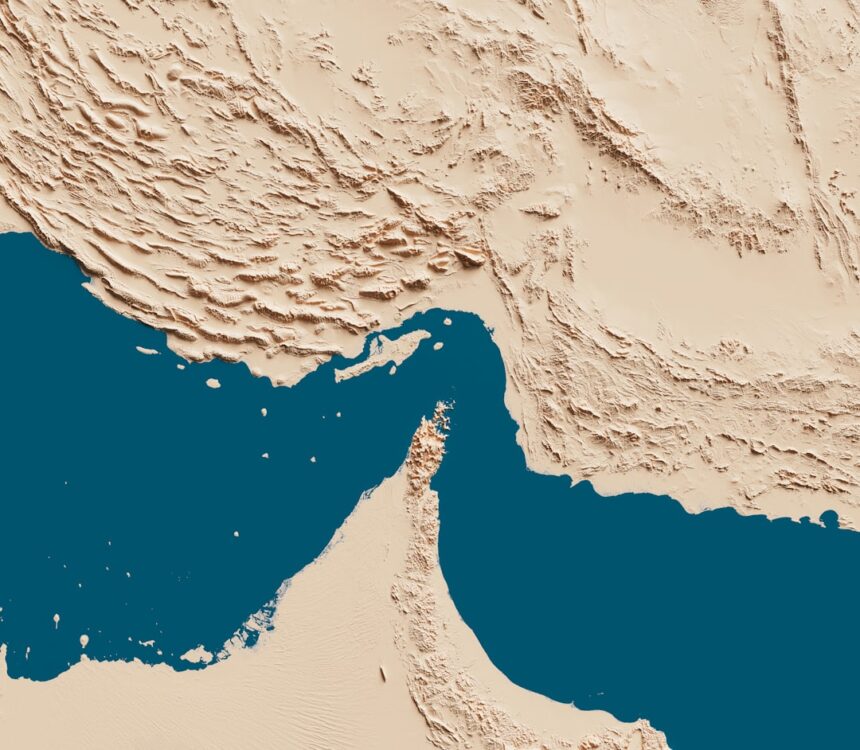
As of August 28, 2026, the International Maritime Organization (IMO) reports a dire situation for seafarers operating in the Strait of Hormuz, with ongoing geopolitical tensions around the region. Six months since the onset of conflict on February 28, thousands of seafarers are experiencing heightened risks while working on commercial vessels.
The Impact of Conflict
According to the IMO, over 70 verified attacks on international shipping have occurred since the beginning of the conflict, resulting in the tragic loss of 19 seafarers’ lives. Currently, around 6,000 maritime personnel aboard up to 400 vessels remain stuck in the Persian Gulf, unable to navigate safely due to security challenges in the area.
While some vessels have managed to leave the region, the continuing instability is causing significant disruptions in crucial supply chains. The movement of fuels, fertilizers, and other key commodities is impeded, affecting communities and economies worldwide. The IMO has consistently highlighted that the threats to sea lanes not only inconvenience shipping operators but could also lead to broader economic ramifications globally.

IMO’s Call for Coordination
In light of the ongoing crisis, the IMO Council adopted a resolution in July aimed at safeguarding critical shipping lanes. This resolution emphasizes the necessity of defending the right to transit passage through straits used for international navigation from any form of aggression or obstruction. The organization has called for a sustainable and cooperative approach among Member States and the shipping industry to restore unhindered navigation in the Strait of Hormuz.
Securing the waters around the Strait is vital, as the region represents one of the busiest maritime chokepoints globally, through which a substantial portion of the world’s oil is transported. Thus, actions taken to stabilize this environment are crucial not just for transit passage, but for global energy and commodity markets.
The Operational Read
This crisis underscores the complex interplay between geopolitical tensions and maritime operations. For ship operators, this prolonged uncertainty necessitates a careful assessment of risk management strategies, including potential rerouting and security measures. Operators managing vessels in or near affected zones must prioritize the safety of seafarers while considering the wider implications of supply chain disruptions. The current situation also highlights the urgent need for a coordinated international response to maritime security challenges, particularly in key trade lanes like the Strait of Hormuz.