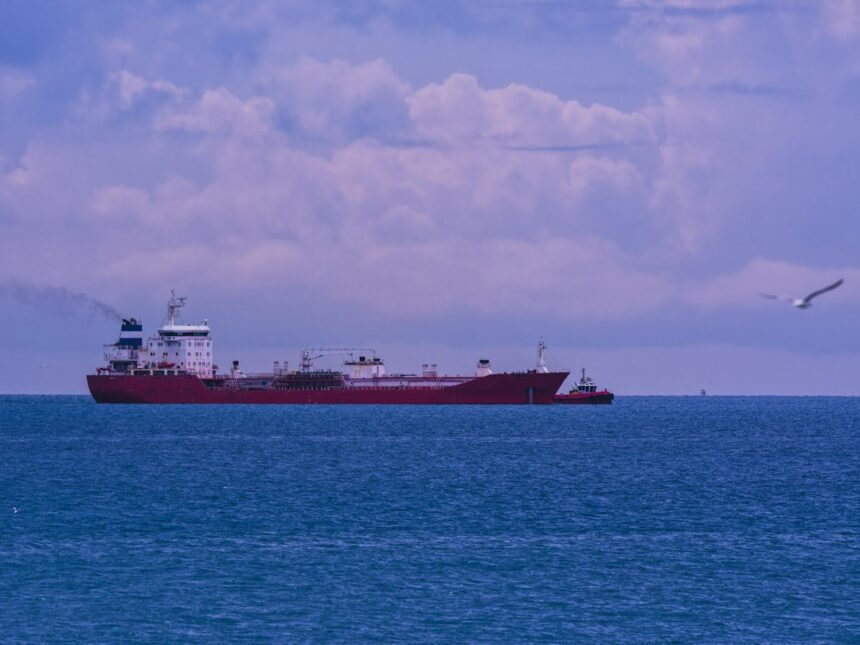
The oil tanker market is experiencing unprecedented freight rates as geopolitical turmoil persists in the Middle East. This conflict has not only impacted trading activities but has also intensified operational challenges for vessels navigating critical shipping lanes, including the Strait of Hormuz and Bab al-Mandeb.
Market Dynamics
Dramatic shifts in market demand have led to a significant surge in tanker capacity requirements, as traders explore alternative routes and supply sources. The establishment of a protected corridor through Omani waters has facilitated increased crude exports, adding further strain to a market already characterized by tight supply. Consequently, tanker earnings have skyrocketed, with average global crude vessel earnings exceeding $500,000 per day in early October 2026—a tenfold increase compared to the average in 2025.
Freight rates for key vessel categories such as Suezmax and very large crude carriers (VLCCs) have similarly reached new heights. The movement of crude from Saudi Arabia’s Ras Tanura to Rotterdam saw rates soar from about $2 per barrel in 2025 to surpass $35 in September 2026. This escalation not only impacts earnings but also contributes to rising diesel prices globally, adding pressure to already high refinery margins.

Future Outlook for Tanker Markets
Tankers are notoriously cyclical, and the current spike in earnings can be traced back to various factors, including post-pandemic recovery and fluctuating oil demand. While tanker orders have shown recovery, doubling from 14% to 28% of global crude carrier capacity, the average age of the fleet, now over 13 years, suggests a looming need for additional scrapping.
Despite the promising rise in orders, many new vessels will not enter the market until 2028-29. The future trajectory of tanker markets will be closely tied to geopolitical developments in the Middle East, creating uncertainty regarding whether this current boom will sustain into 2027.
Behind the Headline
The significant fluctuation in tanker freight rates amid ongoing geopolitical tensions underscores the interconnectedness of global markets. Operators navigating these complex waters must strategically manage increased operational costs, including sky-high insurance premiums due to war risks. As companies adjust to this environment, the reliance on older vessels could heighten vulnerability, further straining available compliant tankers. Moving forward, stakeholders should closely monitor geopolitical developments and fleet composition dynamics to navigate the potential repercussions on trade patterns and market stability.