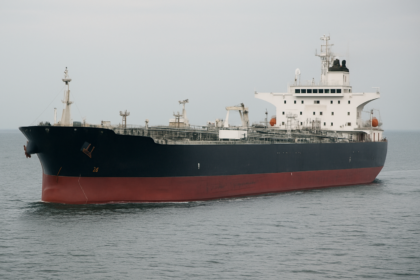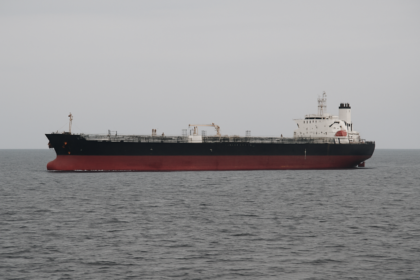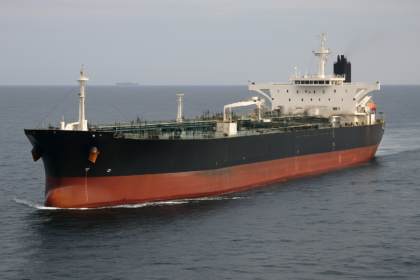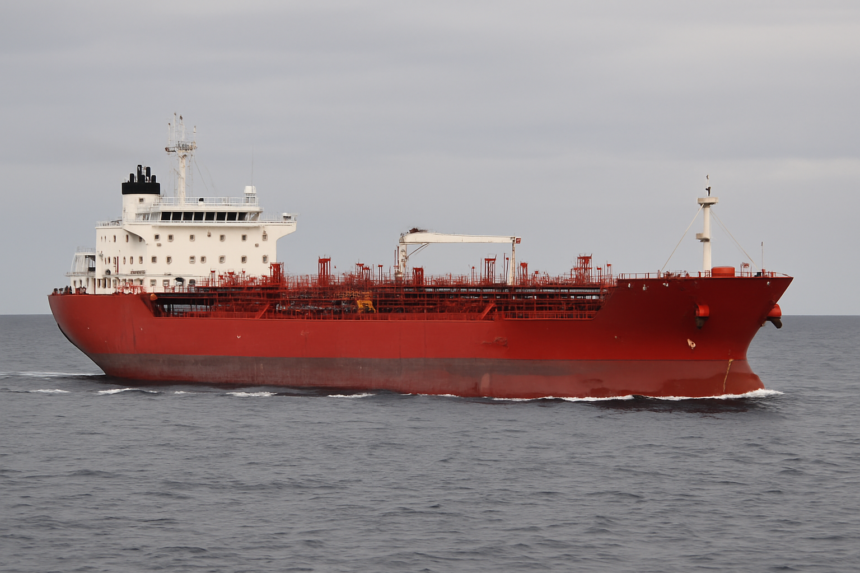
On June 10, two crew members were reported missing, and one was injured following a suspected missile strike by U.S. forces on the Palau-flagged chemical and oil products tanker Settebello, approximately 20 nautical miles northeast of Oman’s port of Sohar. Maritime officials attribute the strike to escalating U.S. military operations aimed at blockading Iran-related shipping in the Gulf region.
The Incident
The U.K. Maritime Trade Operations agency confirmed that the Settebello signaled an engine room fire before the attack. The tanker was partially laden at the time, with 24 of its 28 crew members being Indian nationals. An Indian government source revealed that authorities are verifying the nationalities of the missing personnel. British maritime security group Ambrey noted that the event aligns with U.S. tactical measures to enforce a blockade on Iranian maritime activities, initiated in response to Iran’s restrictions on navigation through the critical Strait of Hormuz.
Geopolitical Context
This incident marks an escalation in maritime hostilities tied to broader geopolitical tensions involving Iran. Since April 13, U.S. Central Command has focused on disrupting shipping to and from Iranian ports, leading to the disablement of multiple vessels violating maritime restrictions. Centcom’s recent operations include intercepting both Iranian and non-compliant tankers, notably impacting the ‘shadow fleet’—older tankers without Western insurance that transport sanctioned oil under diverse flags to obscure ownership.

Maritime Safety Implications
The implications for maritime safety are significant, as highlighted by Arsenio Dominguez, Secretary-General of the International Maritime Organization (IMO). He urged stakeholders to act responsibly to safeguard the lives of civilian seafarers, emphasizing that the protection of mariners should remain a top priority amidst rising tensions.
The Operational Read
This incident underlines the operational realities and complexities shipping companies face in vulnerable maritime corridors. The ongoing conflict dynamics necessitate a critical reassessment of risk management frameworks for vessels navigating through the Gulf and around Iranian waters. Operators should implement enhanced safety protocols and prepare for possible disruptions as military engagements intensify. Monitoring geopolitical developments and collaborating with maritime security firms will be crucial for ensuring the safety of crews and minimizing operational risks.