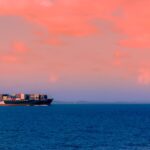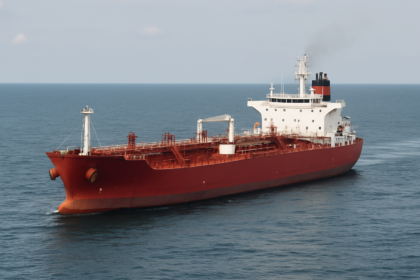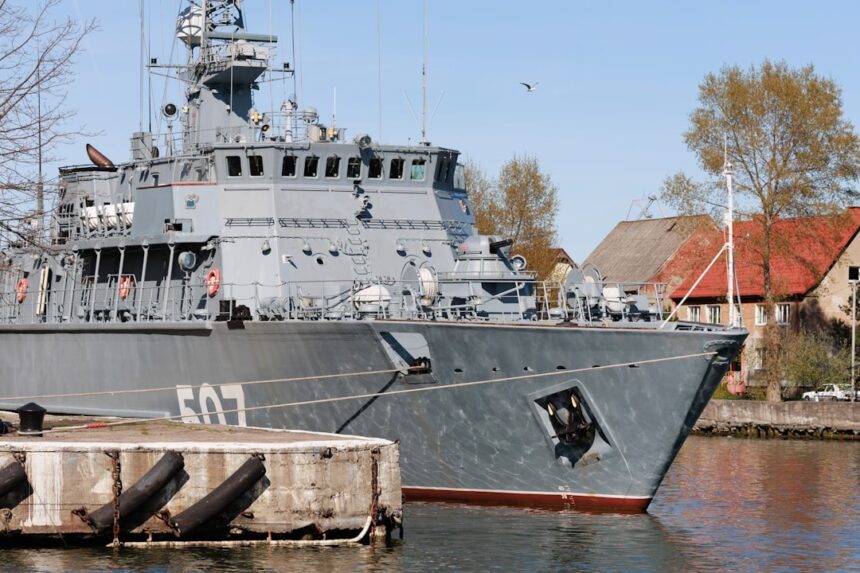
An Italian-led European Union naval mission has successfully boarded the tanker Toa Payoh, which is linked to Russia’s shadow fleet, in international waters west of Sicily. The operation took place on Sunday, as the Cameroon-flagged vessel was transiting from Cotonou, Benin, to Istanbul.
The Incident
The interception of Toa Payoh marks the second operation targeting sanctioned vessels in less than two weeks. According to Italy’s defense ministry, the navy’s actions form part of a broader strategy to monitor maritime traffic potentially involved in illicit activities or subject to international sanctions. The port of origin, Cotonou, is a known hub for transshipment activities, further complicating tracking efforts in the region.
Geopolitical Context
This boarding reflects heightened tensions in the Mediterranean, where naval forces are increasingly vigilant regarding shipments linked to Russian interests following international sanctions. The EU’s naval engagement aims to deter maritime operations that could undermine sanctions and facilitate trade with entities deemed non-compliant by international authorities. These strategic actions raise the stakes for shipping operators navigating this politically sensitive area.

Market Implications
The interception of vessels such as the Toa Payoh can significantly impact maritime operations. Shipping lines may face increased scrutiny and operational delays, particularly in routes involving high-risk areas tied to sanctioned entities. As naval operations ramp up, shipping operators might reevaluate their routing decisions to mitigate exposure to enforcement actions, leading to potential changes in shipping costs and schedules.
The Operational Read
The interception of the Toa Payoh underscores the necessity for shipping operators to maintain heightened awareness of geopolitical developments, particularly in areas like the Mediterranean. The increased likelihood of boardings and inspections may complicate laytime negotiations and increase the risk of demurrage. Operators are advised to enhance their due diligence when engaging with cargo sources, especially from regions known for fostering shadow trade networks. Monitoring vessel traffic and compliance protocols will be crucial moving forward as the situation evolves.