Update 09 Aug 2026, 22:33 UTC:
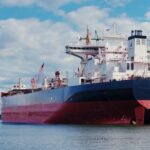
Emphasizing strategic preparedness amid escalating maritime security concerns, ADNOC Logistics & Services (ADNOC L&S), a subsidiary of the UAE’s state oil company, has acquired five very large crude carriers (VLCCs) from Frontline for approximately 590 million dollars. This move is part of a broader shift in which oil-producing countries are increasingly taking ownership of their transportation assets in response to supply chain disruptions impacting critical shipping routes.
Changing Dynamics in Oil Transportation
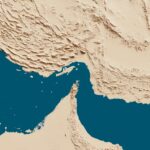
Traditionally, oil-producing nations have relied on third-party companies for transportation, with producers focusing primarily on extraction. However, recurring blockages in key maritime chokepoints, notably the Strait of Hormuz and the Red Sea, have underscored vulnerabilities within this established model. Delayed shipments due to geopolitical tensions have prompted producers like ADNOC to rethink transportation strategies.

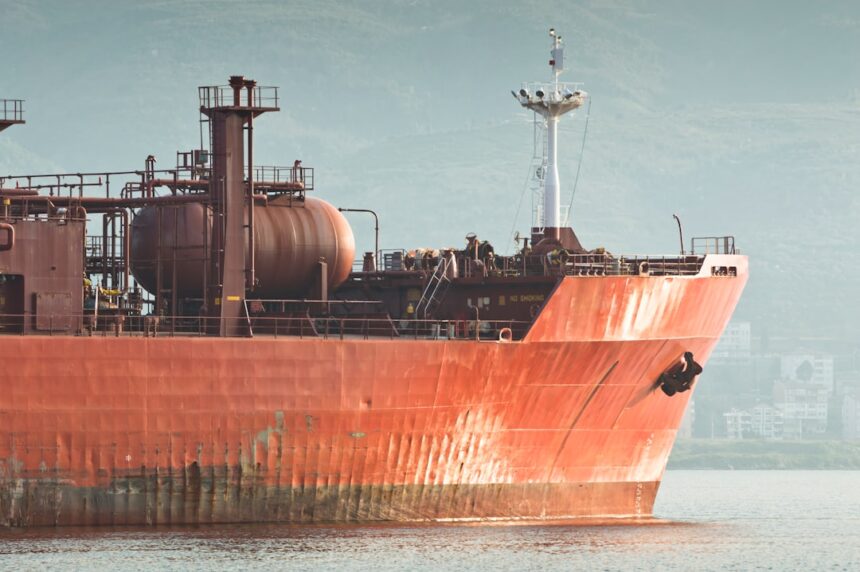
ADNOC’s strategy includes the acquisition of second-hand vessels to address immediate transport needs while simultaneously placing orders for up to 30 new crude, LNG, and LPG tankers from shipyards. The company has also chartered around 25 crude carriers from South Korea’s Sinokor Merchant Marine, with approximately 15 of these functioning as shuttle vessels for short-distance transport of crude from production sites to storage facilities in Fujairah, UAE, and Oman.
Market Implications
This shift reflects a growing trend among oil producers to secure “strategic vessels” in the face of uncertainty surrounding global markets and potential supply chain disruptions. The ownership of transportation assets allows for more flexible and immediate responses to crises—moving oil from high-risk areas to safer storages, thus averting production cuts when export terminals reach capacity.
The current tanker shortage, exacerbated by low freight rates and delayed newbuilding orders due in part to evolving fuel type forecasts, has further intensified the urgency for oil producers to expand their fleets. As existing VLCCs become scarce, and the lead times for new builds extend, the pressure to acquire second-hand vessels is mounting, with some industry experts observing that ADNOC’s aggressive purchasing strategies could inspire similar initiatives from other Middle Eastern countries.
Behind the Headline
This evolving strategy of oil producers like ADNOC to acquire their own tankers illustrates a significant shift in market dynamics. Ownership of vessels allows for operational control over transportation, reducing dependency on third-party charterers who may hesitate to operate in high-risk regions. For operators and charterers, this could signify increased competition and rising costs. Monitoring the expansion efforts of ADNOC and other Middle Eastern producers will be critical as these changes can impact freight rates, availability of assets, and the overall structure of the shipping market.