Update 31 Aug 2026, 22:32 UTC:
The Strait of Hormuz remains effectively closed for over six months, creating escalating concerns regarding its impact on global oil supplies and energy prices. According to multiple sources, if the situation persists through the end of 2026, tighter oil supplies and higher bunker fuel costs are inevitable outcomes.
The State of Global Energy Supplies
The geopolitical climate in the Middle East significantly disrupts a critical maritime route through which approximately 25% of global oil flows and about 20% of LNG flows transit. Although the conflict has curtailed energy flows, data indicates that actual disruptions have been somewhat mitigated by increased supplies from alternative regions and ongoing limited activity in the strait. Customs trade data reveal that global oil flows decreased by around 7% in the first half of 2026, with LNG trade down by approximately 4%. However, the International Energy Agency reports that energy inventories are in decline, with total global oil inventories dropping to below 7.9 billion barrels, the lowest figures recorded since April 2025, marking a decline of approximately 5% from their peak earlier this year.

Implications for Oil and Gas Prices
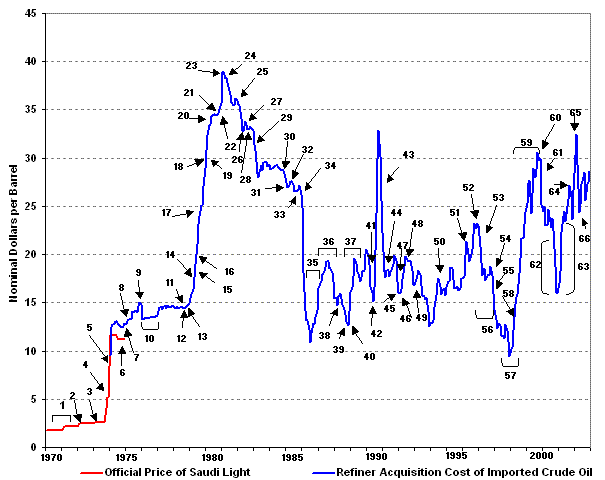
If the Strait of Hormuz does not reopen soon, oil inventories are anticipated to continue their downward trajectory, significantly affecting European gas inventories, which remain 19% below 2025 levels. The European TTF gas price has more than doubled since the onset of the conflict, although still below the peaks experienced during the 2022 Ukraine crisis. As prices soar, European countries are likely to reconsider their energy consumption strategies, potentially favoring coal over gas and thereby impacting LNG operators negatively.
For operators in the maritime sector, rising oil prices, projected to potentially exceed USD 100/bbl, will likely lead to increased costs across various consumer goods, stimulating inflationary pressures and possibly triggering interest rate hikes. Continued disruptions could push the global economy toward recession.
Bunker Fuel Costs and Shipping Industry Response
Bunker fuel costs are closely tied to fluctuations in oil prices. As noted, VLSFO in Singapore has surged to approximately USD 840/mt, up from pre-conflict prices below USD 500/mt. A significant portion of Singapore’s fuel oil supply is sourced from the Persian Gulf, posing supply risks amid the extended closure. Also, vessels rerouting to alternative passageways such as the Cape of Good Hope consume additional fuel, further straining operating expenses in an already volatile market.
The Operational Read
The situation in the Strait of Hormuz poses complex challenges for shipping operators, who must navigate rising costs and potential supply shortages. As oil inventories shrink and gas prices increase, vessel routing decisions will become increasingly critical. Operators may need to adapt their strategies to mitigate costs, especially if the conflict prolongs. Future market conditions will depend heavily on the geopolitical landscape and operational decisions made now. The maritime industry should closely monitor the developments in the region and its implications for fuel pricing and logistics.