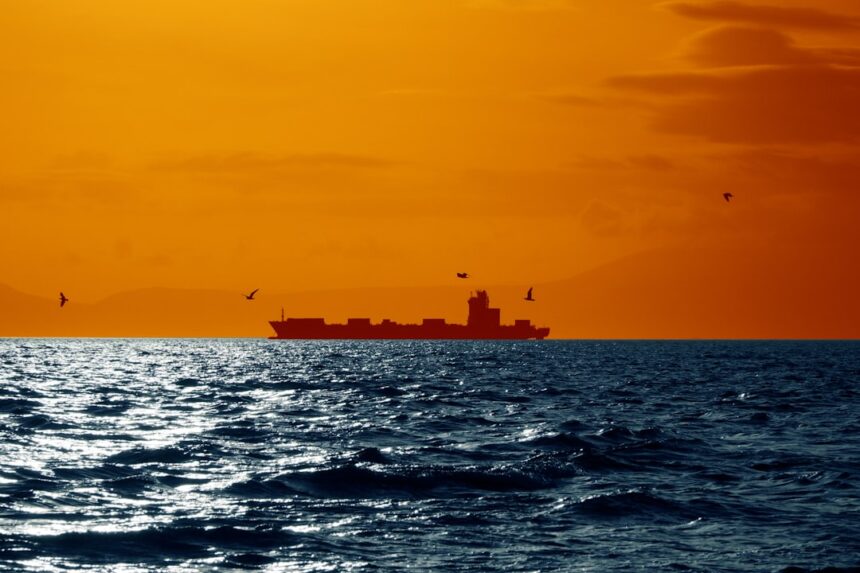
Rescue operations are ongoing for 17 crew members of the Vietnamese cargo vessel Khoi Nguyen 18, which sank in the South China Sea on Saturday evening. The ship, carrying 62 Vietnamese nationals, encountered distress approximately 38 nautical miles north of Fiery Cross Reef. Following a distress flare observed by the Chinese rescue vessel Nanhai Jiu 115, search efforts commenced immediately.
The Incident
Since the start of the rescue operations, a total of 45 individuals have been successfully retrieved from the water, while 17 crew members remain missing. Two rescue vessels and one helicopter are currently deployed, enhancing the search efforts in the area. Vietnam’s foreign ministry confirmed that Vietnamese rescue operations have been coordinated closely with Chinese authorities, expressing gratitude for the support received.
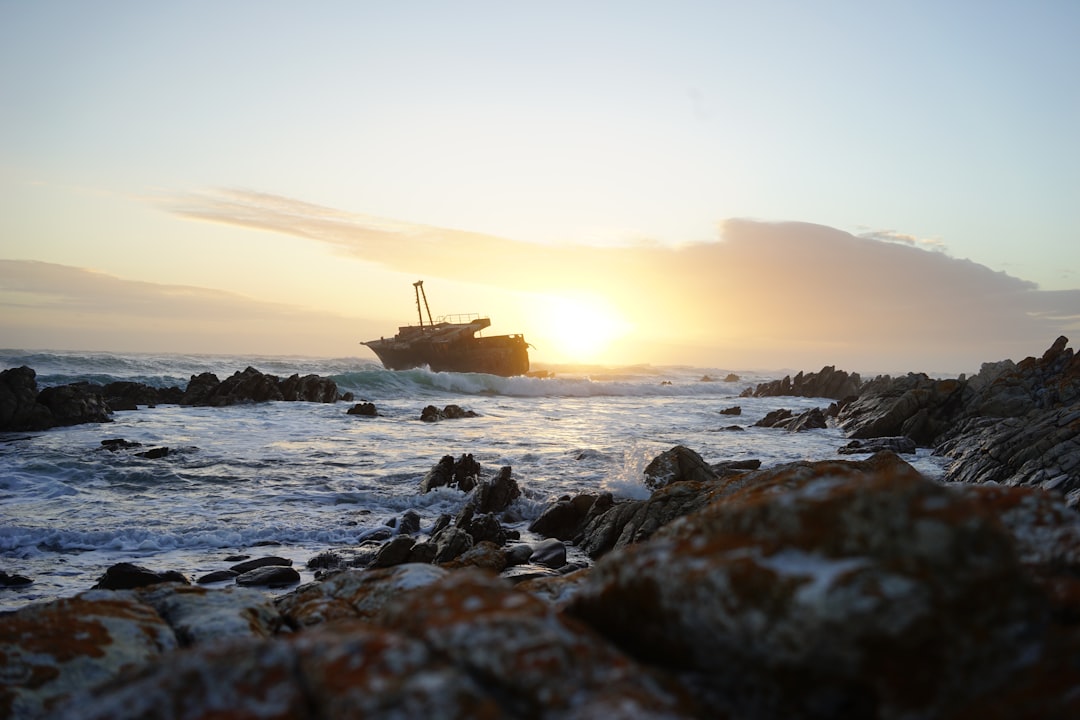
Geopolitical Context
The sinking incident occurred in the waters surrounding Fiery Cross Reef, part of the contested Spratly Islands, known for their rich marine resources and significant strategic importance. The Spratly Islands are a focal point of territorial disputes among Vietnam, China, the Philippines, Taiwan, Malaysia, and Brunei. Within this highly sensitive environment, the risks faced by vessels traversing the region continue to rise, exacerbating operational challenges in commercial shipping.

The Operational Read
The sinking of Khoi Nguyen 18 underscores the vulnerabilities present in maritime operations in disputed waters such as the Spratly Islands. For operators, awareness of potential hazards—ranging from adverse weather conditions to geopolitical tensions—is crucial for ensuring crew safety and vessel security. The effectiveness of cross-border rescue coordination, as seen in this incident, exemplifies the practical need for collaboration among regional maritime authorities, particularly in high-risk zones. The ongoing recovery efforts will be closely monitored for updates on the missing crew members and any impact on regional shipping routes.