The U.S. Navy has expressed serious concerns about Iran’s strategy of mining the Strait of Hormuz, suggesting the move is intended to reroute commercial shipping toward Iranian-controlled waters. Chief of Naval Operations Admiral Daryl Caudle highlighted this issue during a recent interview, pointing out the strategic implications for energy exports and international shipping.
The Mining Strategy
The mining of the Strait of Hormuz poses a significant operational challenge for commercial vessels. According to Admiral Caudle, Iran’s placement of mines is designed to Channel maritime traffic into areas where the Iranian authorities can exert control, effectively raising the stakes for operators navigating this critical waterway.
Admiral Caudle clarified that the U.S. Navy is aware of the presence of mines in the strait, recognizing that the quantity and exact locations remain sensitive due to classified intelligence nuances. The U.S. Central Command has acknowledged past operations that have reportedly neutralized over 90% of Iran’s estimated mine inventory, yet the newly laid mines, reportedly around 80 according to the United Nations’ International Maritime Organization, continue to pose a risk to maritime safety.


Market Reactions
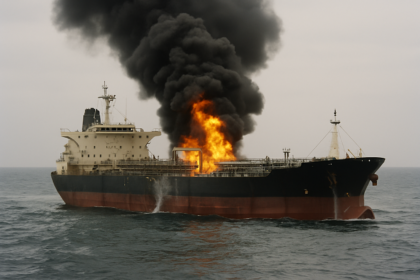
The operational developments in the Strait have immediate repercussions for global energy markets. Following a series of attacks on vessels in the area, oil prices surged by more than 3%, while European gas futures increased by approximately 7%. This volatility underscores the critical nature of the Strait, which historically has been a key artery for about one-fifth of global oil and liquefied natural gas shipments.
U.S. Response and Operational Challenges
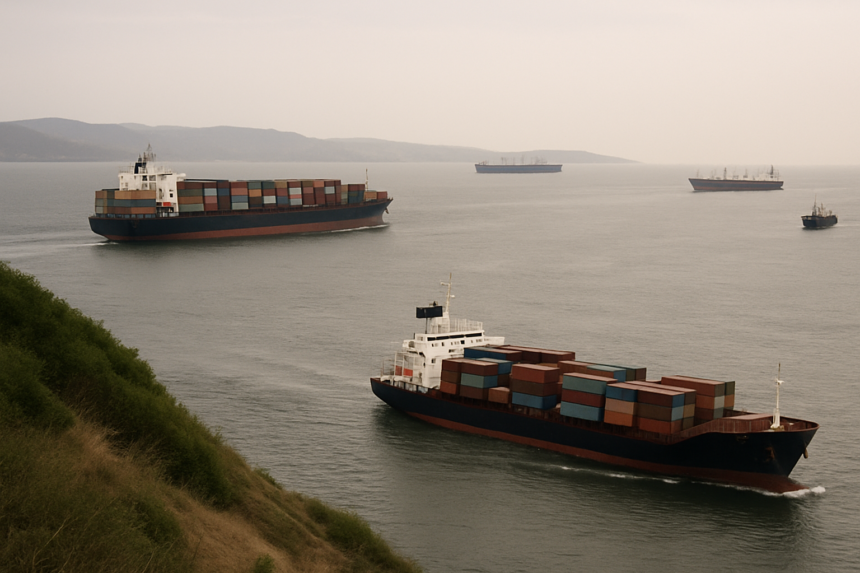
In response to Iran’s aggressive posture, U.S. Central Command has worked to maintain a safe shipping corridor along the Omani side of the strait, aimed at circumventing potential conflicts in Iranian waters. The region continues to be fraught with tensions, as Iran has consistently asserted its intention to control navigation through the strait, implying a potential future strategy of charging fees for transit, which would represent a significant shift in maritime governance in this international waterway.
The Operational Read
The evolving situation in the Strait of Hormuz necessitates a reevaluation of navigation strategies for shipping operators. The dual challenge of mining threats and geopolitical tensions means crews must be vigilant and well-prepared for potential obstacles. Operators are encouraged to consider risk assessments when planning routes and to remain engaged with maritime security updates from organizations monitoring the strait. Moving forward, the maritime industry should closely observe diplomatic developments that may affect unit economics, including any potential shifts in toll regulations imposed by Iran.