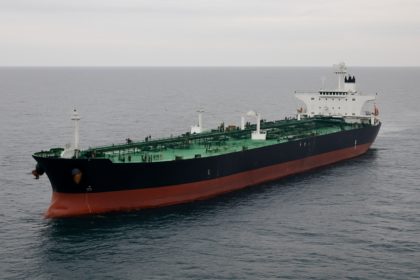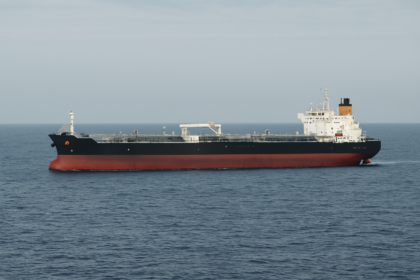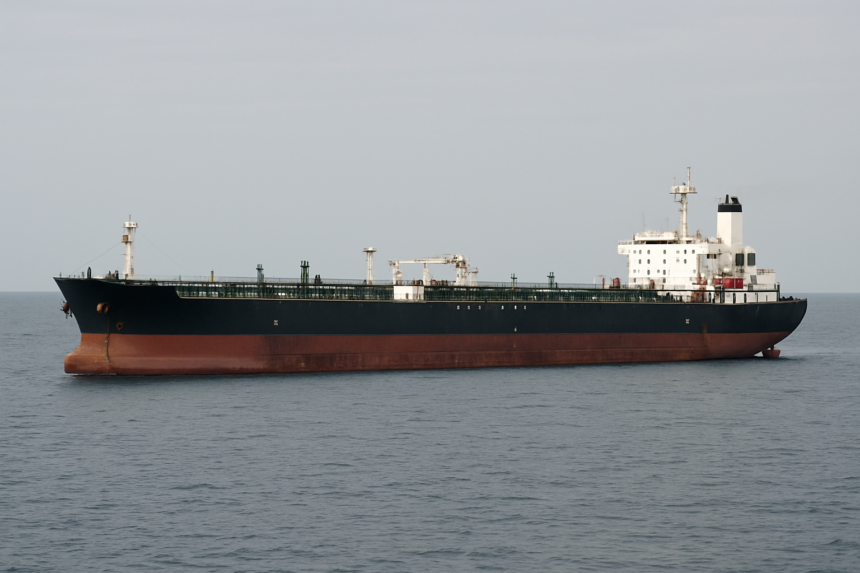
In May, dirty tanker exports from the Americas achieved a remarkable milestone, reaching 14.5 million barrels per day (mbpd), surpassing the prior record of 13.8 mbpd set in April. This performance reflects a robust 40% increase compared to May 2025, highlighting shifting trends in global oil markets.
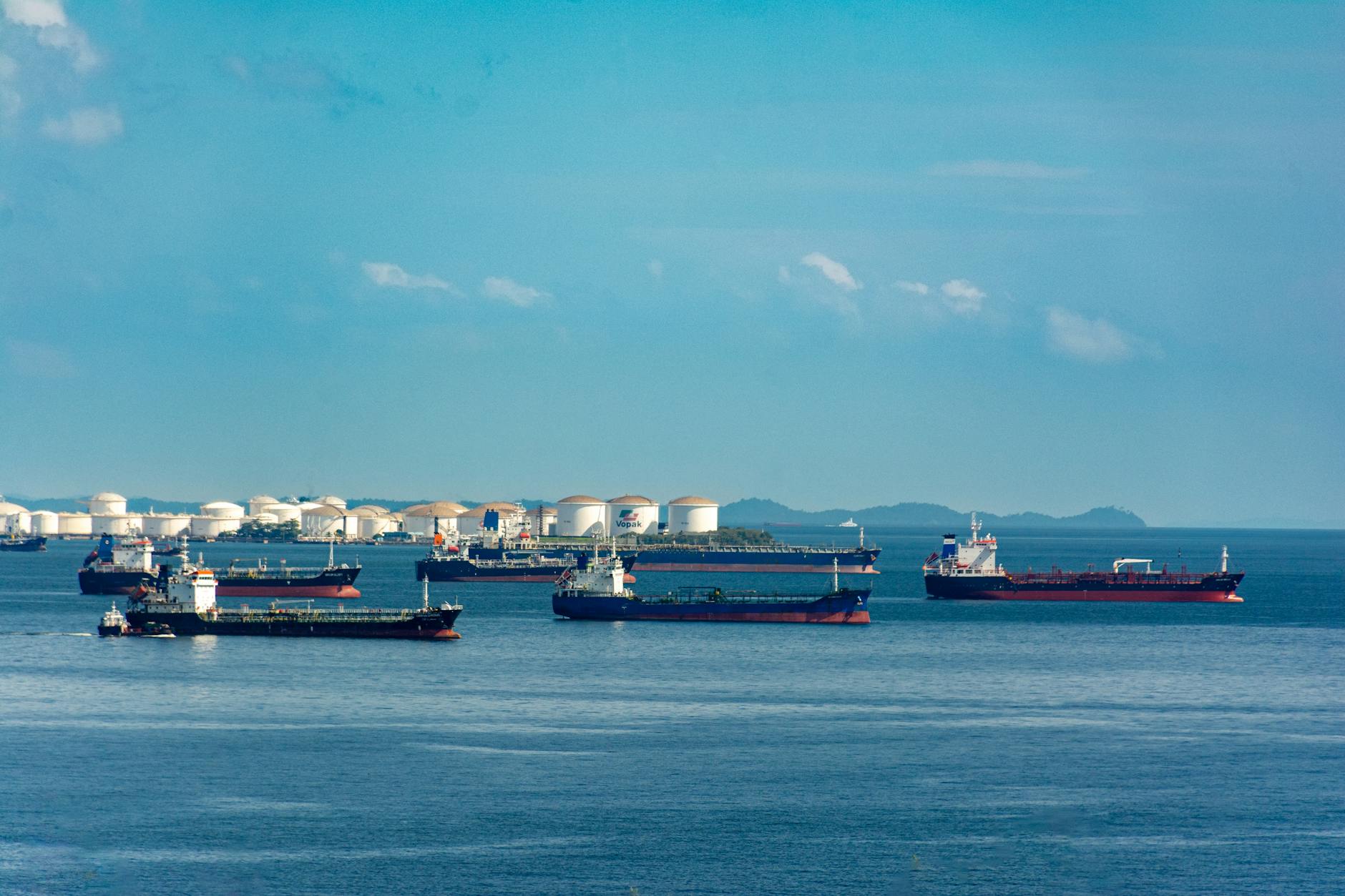
Driving Factors Behind the Surge
Niels Rasmussen, Chief Shipping Analyst at BIMCO, indicated that the growth in exports from the Americas can be attributed to several key factors. The U.S. has played a pivotal role, with dirty tanker exports increasing by 32% year-on-year owing to a boost in shale oil production. Additionally, relaxed sanctions on Venezuelan oil exports have contributed to the rapid expansion of exports from that country, which has shown the fastest growth rate.
Other nations in the Americas, such as Brazil, Canada, and Guyana, have also ramped up their dirty oil exports during this period, with production from new Floating Production, Storage, and Offloading (FPSO) units in Brazil and the recent activation of the Yellowtail field in Guyana adding further momentum. Collectively, these developments have driven a 23% increase in exports since the onset of the Iran War.

Market Dynamics and Global Implications
The report details that, while East Asia surpassed North America in May as the primary destination for these exports, receiving nearly 50% of the increase seen in volumes during March to May, the Aframax/LR2 segment has both gained significantly from increased exports and faced challenges regarding freight rates. LR2 product tankers carried 85% of the year-on-year increase in volumes for this segment, indicating a transition in trade patterns.
Despite this, Aframax/LR2 freight rates have dropped below levels recorded in February as the supply of vessels in dirty trades continues to rise. This situation raises concerns for operators who are navigating the complexities of supply and demand in the market. With ongoing geopolitical tensions in the Persian Gulf impacting traditional supply routes, the Americas’ consistent export volumes may prove crucial in stabilizing the global oil supply chain.
The Operational Read
The sharp increase in dirty tanker exports from the Americas underscores a significant shift in global oil dynamics, particularly amidst ongoing disruptions in the Persian Gulf. Operators must now navigate a landscape where demand from Asia is surging while facing internally reduced freight rates, complicating profitability. The steady supply from the Americas could provide a vital buffer against global oil shortages, but with the potential return of Persian Gulf exports, operators need to monitor shifts in trade flows closely. The operational landscape is rapidly evolving, and sustained adjustments will be necessary as conditions develop.