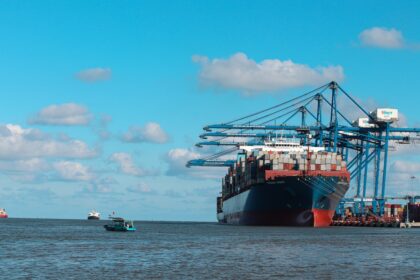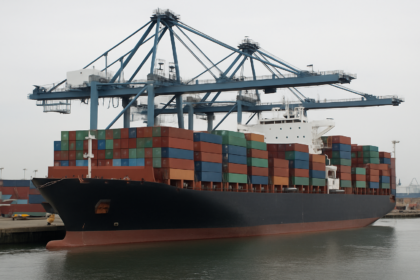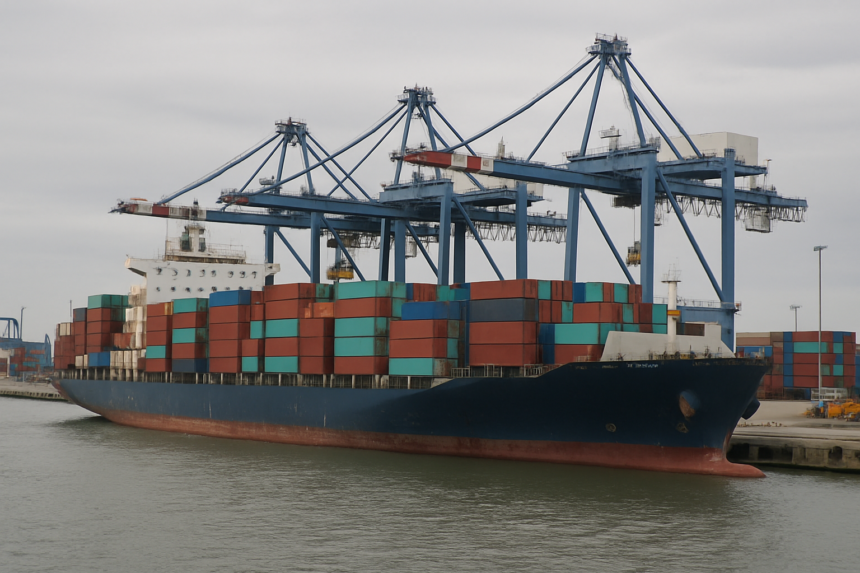
Seaspan and Maersk are deepening their partnership by initiating a comprehensive vessel efficiency program covering 18 containerships that are long-term chartered to the Danish shipping major. This program is strategically designed to enhance fuel efficiency, optimize cargo capacity, and improve emissions performance, reflecting the maritime industry’s shift towards sustainability and compliance with regulatory frameworks.

The Retrofit Initiative
The center of this initiative is a retrofit package that will be implemented across the shared fleet. This retrofit aims to integrate advanced technologies that facilitate energy savings and augment the operational flexibility of each vessel. By focusing on enhancing the existing fleet’s capabilities, Seaspan and Maersk are positioning themselves to meet both current and future environmental standards.
Operational and Environmental Implications
This collaborative effort also signifies a proactive response to increasing regulatory scrutiny concerning emissions and environmental impacts within the shipping sector. By improving the performance metrics of their containerships, the partners not only align with the International Maritime Organization’s overarching goals but also adapt to market demands for greener operations. Enhanced fuel efficiency directly contributes to reduced operating costs and lowers the carbon footprint of the vessels involved, thereby benefiting stakeholders across the supply chain.

Future Considerations
As the shipping industry grapples with evolving regulations and the need for sustainable practices, partnerships like that of Seaspan and Maersk serve as benchmarks for operational innovation. Other operators may need to follow suit to avoid falling behind as the demand for greener shipping solutions grows. Observing the effectiveness of this retrofit program will be crucial, particularly regarding its long-term impact on freight rates, laytime considerations, and overall market competitiveness.
Behind the Headline
This expanded retrofit initiative by Seaspan and Maersk highlights the critical need for shipping companies to adapt swiftly to environmental regulations while maintaining operational efficiency. Enhanced fuel efficiency and emissions reductions not only serve compliance but also improve market positioning in an increasingly eco-conscious consumer landscape. For fleets operating on long-term charters, such innovations can lead to enhanced profitability and attractiveness to potential charterers. Going forward, the industry will be scrutinizing the measurable impacts of such programs on operational costs and emissions metrics, paving the way for future advancements in vessel performance.