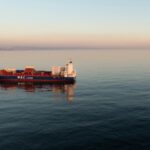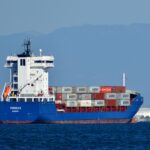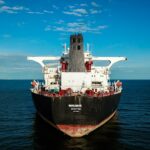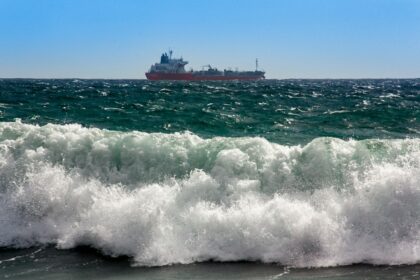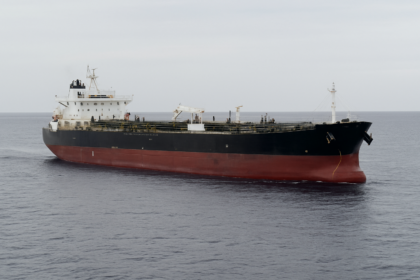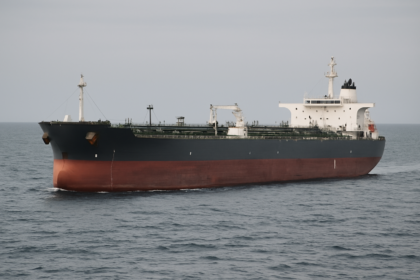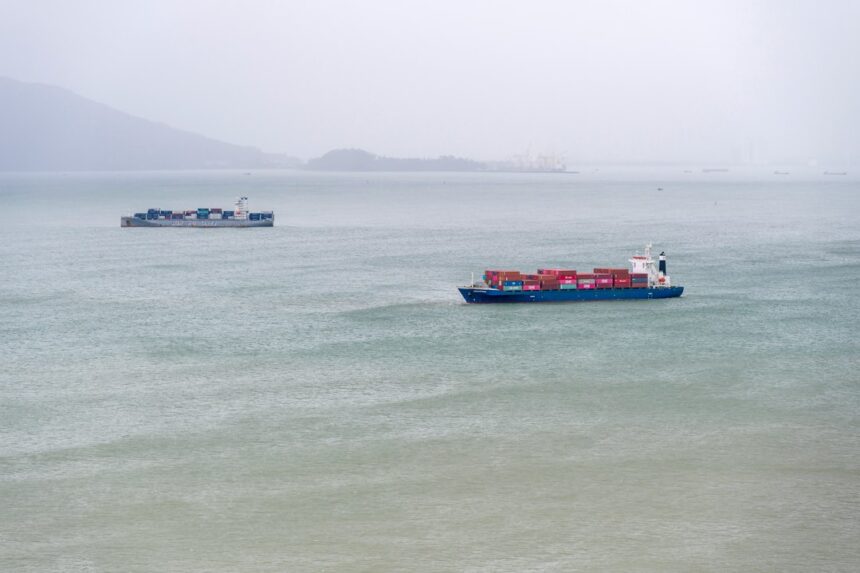
Two tankers reported strikes from projectiles in the Strait of Hormuz over the weekend, emphasizing an alarming escalation of maritime threats in this crucial shipping lane. According to UK Maritime Trade Operations (UKMTO), an outbound tanker was struck on its port side by an unidentified projectile on Saturday, October 10, resulting in a fire on board. Fortunately, the crew was reported safe, though damage assessments and environmental impacts have not yet been confirmed.
Another incident occurred on Sunday, October 11, when the security officer of a different outbound tanker reported a similar strike, again resulting in minor damage but no casualties among the crew. Neither tanker has been identified, and UKMTO did not assign blame for these attacks.
Context of the Incidents
The timing of these attacks is notable, following a series of violent encounters involving commercial shipping. On Friday, the Panama-flagged tanker GEM NO.2 was also struck by a projectile while anchored off the coast of the UAE, leading to a fire that was subsequently extinguished. This incident takes place only days after another tanker was subjected to multiple projectile strikes near Qatar, indicating a worrying trend of aggression that extends beyond the Strait of Hormuz itself.

Iran’s recent escalations, including threats against vessels navigating through its waters without approval, have alarmed international maritime stakeholders. The adversarial climate for shipping is exacerbated by U.S. military operations, wherein U.S. Central Command confirmed that a fighter jet disabled the Panama-flagged cargo vessel Ocean Molica, previously known as Arika Sun. This response followed the vessel’s attempts to bypass U.S. naval blockades that have been in place since July, marking a significant uptick in U.S. maritime enforcement.
Operational Risks for Shipping
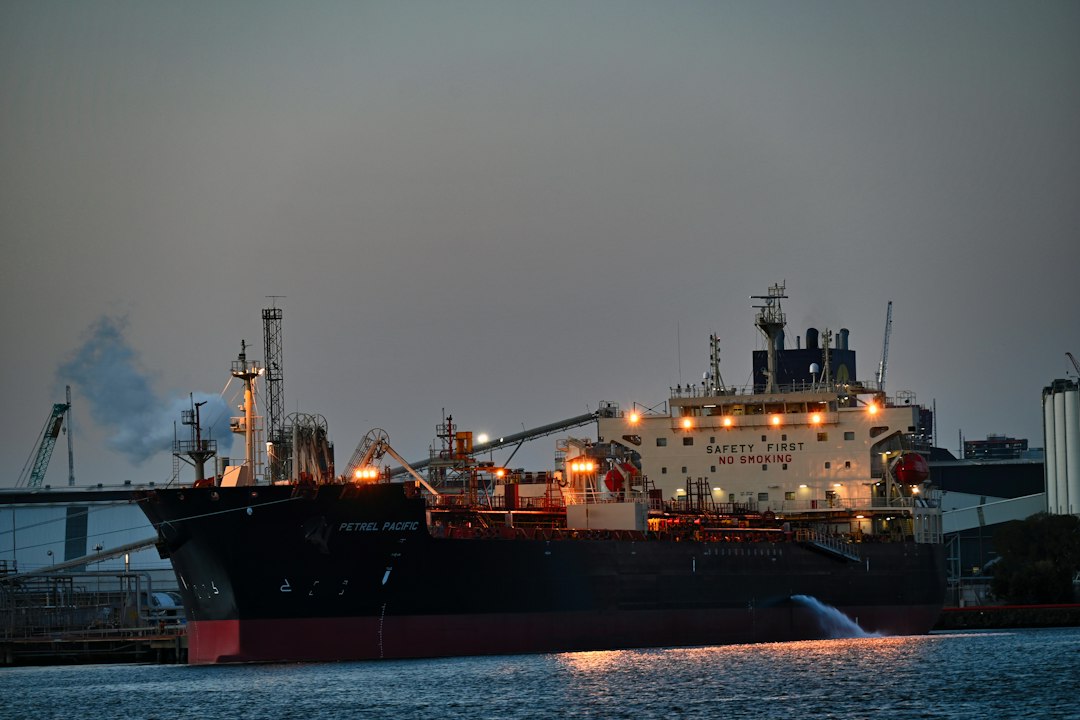
This ongoing blockade has led U.S. forces to disable four commercial vessels and turn back approximately 135 ships since mid-July, in addition to destroying 10 tankers linked to the Islamic Revolutionary Guard Corps’ network. Despite claims that the Strait of Hormuz remains open for international navigation, the dual threats from Iranian attacks and U.S. military intervention create a precarious operating environment for vessel owners and charterers.
Market participants should be vigilant in monitoring developments in the region as the likelihood of additional incidents appears high. Operators are encouraged to review risk assessments and consider reroutes that minimize exposure to both types of threats.
The Operational Read
The increase in military incidents in the Strait of Hormuz underscores the operational complexity facing commercial shipping operators. The simultaneous threats of Iranian aggression and U.S. military enforcement create a multifaceted risk landscape that demands adaptive security strategies. Vessels navigating this strategic chokepoint must maintain close communication with maritime security services while being prepared to alter routes swiftly. The economic implications of rising insurance premiums and potential delays due to heightened security checks will affect operational costs. Continued monitoring of geopolitical developments remains crucial for decision-making at the operational level.