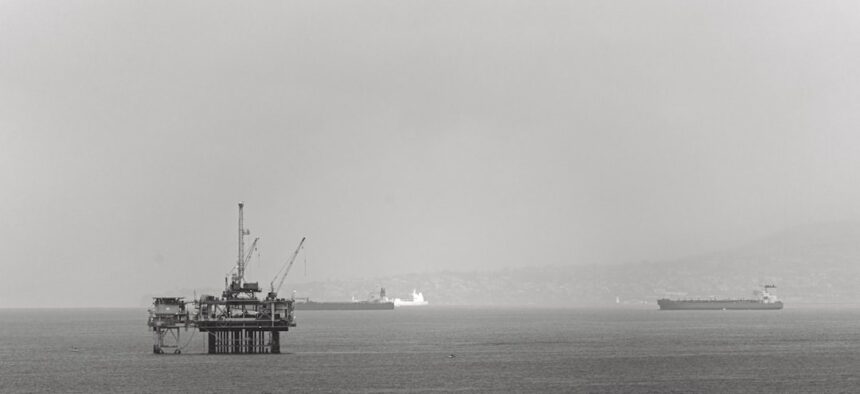
The International Energy Agency (IEA) has raised alarms regarding the global oil market, indicating heightened risks due to ongoing conflict around the Strait of Hormuz. In its latest Oil Market Report, published on August 12, the agency noted declining oil inventories and significant disruptions in Gulf exports caused by renewed fighting in the region.
Production and Export Trends
In July, Gulf oil production increased by 2.5 million barrels per day (bpd), reaching 23.9 million bpd, marking a recovery from previous disruptions. However, production levels remain significantly below pre-war benchmarks, falling 8.3 million bpd short. Despite increased output, the impact of conflict on logistical routes is evident, with exports suffering a drop of 2.1 million bpd, averaging 15 million bpd in July. The volumes had briefly spiked to 20 million bpd at the start of the month before declining to around 12 million bpd, illustrating the volatility stemming from the strait’s instability.
Market Implications
The IEA’s report reflects a growing disconnect between oil production recovery and logistical capabilities raised by regional conflicts. Benchmark crude prices echoed this uncertainty, with fluctuations capturing the market’s instability. Price points soared as high as $105 per barrel on July 23, post the collapse of the ceasefire agreement, before settling around $92 thereafter.


For the remainder of 2026, the IEA forecast shows a decline in global supply by 4.3 million bpd, settling around 102 million bpd. The agency attributed these estimates partly to continued disruptions in the Strait of Hormuz, as well as broader geopolitical factors affecting supply from the Middle East and Russia. Additionally, with Saudi Arabia’s production still lagging below targets, operational challenges for regional producers are not expected to abate soon.
The Demand Side Strain
On the demand front, the IEA cut its global oil demand forecast by approximately 550,000 bpd, now anticipating a contraction of 1.6 million bpd for the full year. Factors contributing to this revision include the protracted closure of the Strait, sales disruptions, and overall elevated fuel prices negatively impacting consumption patterns. In August, demand forecasts were again reduced based on continued adverse conditions affecting global supply chains.
Refined products have also felt the strain, as global refinery throughput increased by 1.8 million bpd in July but still lagged nearly 5 million bpd behind year-ago levels. This situation highlights the wider market implications as logistics and supply chain disruptions continue to challenge the energy sector.
The Operational Read
The ongoing tensions in the Strait of Hormuz present significant operational challenges for shipping companies and oil traders alike. As vessels navigate through one of the world’s most strategic maritime chokepoints, they face increased risks to safe passage and rising insurance premiums in the wake of escalated military tensions. Operators must remain vigilant, adapting to dynamic pricing while grappling with supply chain interruptions that are poised to impact not just oil flow, but the broader maritime industry. Monitoring geopolitical developments and enhancing operational flexibility will be crucial for stakeholders in the months ahead.