The European Union has definitively expanded its ban on Russian liquefied natural gas (LNG) to include prohibitions on EU operators transporting this commodity anywhere in the world. This measure, outlined in a June 1 letter from EU Energy Commissioner Dan Jorgensen, has profound implications for European shipping companies and energy buyers.
The Regulatory Changes
According to the directive, transport of Russian LNG by EU operators is strictly prohibited, regardless of the final destination. The letter clarifies that these restrictions encompass both direct imports into the EU and LNG trade with third countries. This regulatory clarification comes amidst the EU’s broader strategy to phase out Russian energy imports by January 1, 2027, as part of geopolitical sanctions amidst ongoing conflicts.
Operational Implications
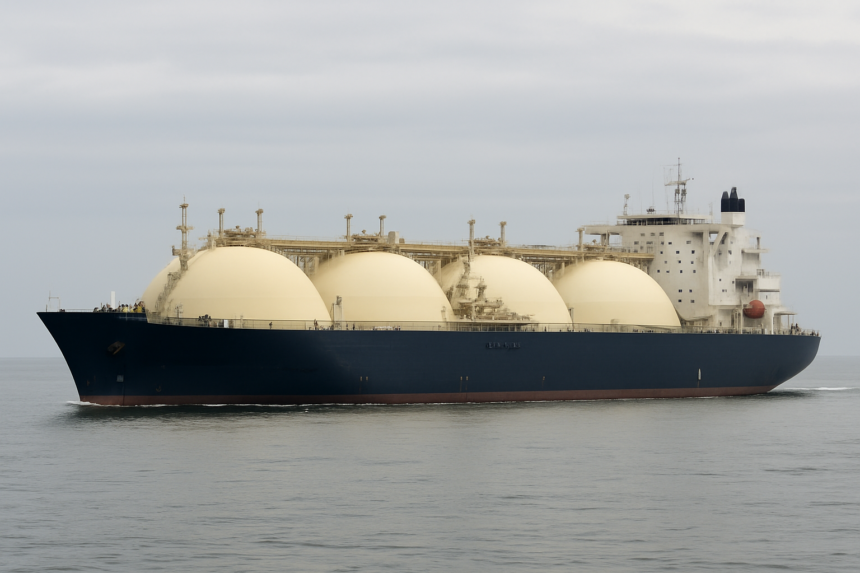
The implications for operators are significant. Many specialized Arc7 icebreaking LNG carriers, which serve key projects like the Yamal LNG, are managed by EU-based companies, particularly Greece’s Dynagas and UK’s Seapeak, alongside Japanese operator MOL. These firms, now barred from engaging with Russian LNG cargoes, will have to reevaluate their operational strategies and contractual commitments. Notably, TotalEnergies, which holds a 20% stake in Yamal LNG, now faces a crucial decision about its future in Russian LNG projects amidst potential market disengagement.


TotalEnergies Chief Executive Patrick Pouyanne had previously expressed uncertainty regarding the company’s ability to divert LNG volumes from long-term contracts to third markets. The latest EU guidance may press the firm to expedite decisions on divesting its stake if it finds itself unable to pursue these options. Furthermore, the necessary unless the firm can assure that LNG volumes can be redirected without breaching the new regulations, the situation could compel a reassessment of its position in the sector.
Broader Market Impact
Other European energy firms, including Spain’s Naturgy and Germany’s SEFE, which have relied heavily on Russian LNG supplies, are also expected to be influenced by these changes. Naturgy has previously indicated that the EU phaseout program could jeopardize over €10 billion in purchase commitments, underscoring the financial stakes involved. Both companies now face substantial operational uncertainty as they navigate compliance while managing the fallout from disrupted supply routes.
The European Commission stands firm that permitting EU companies to market Russian LNG abroad would contradict the legislative objectives designed to promote energy independence and reduce reliance on adversarial states.
The Operational Read
This regulatory turn represents a seismic shift in how European shipping and energy companies engage with Russian LNG. Operators will need to adapt quickly to these constraints, especially those involved in long-term contracts. The prohibition will likely foster increased market volatility as EU firms pivot to alternative energy sources and logistics routes. It is also a significant setback for Russian entities, which will face increasing difficulty in promoting their LNG in an already competitive market. Shipping companies and charterers should keep a close eye on ongoing developments in the EU’s energy policy and be prepared for rapid adjustments in their operations.