Update 23 Jul 2026, 22:34 UTC:
At least seven oil tankers have made sharp U-turns near Yemen following the Houthi movement’s recent announcement of a maritime embargo against Saudi Arabia. This development has significant implications for the flow of oil in one of the world’s major shipping corridors.
The Embargo Announcement
The Iran-linked Houthi group declared the embargo on Monday, sending ripples through maritime traffic. Ship-tracking data indicates that vessels traveling to and from Saudi ports adjusted their courses in response to the embargo. Notably, nearly 15% of global sea trade transits through the Red Sea, connecting the Mediterranean to the Gulf of Aden via the Suez Canal and the Bab al-Mandab Strait.

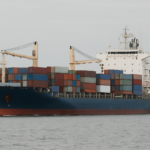
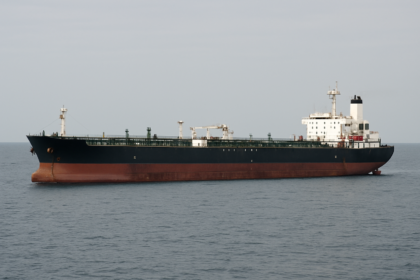
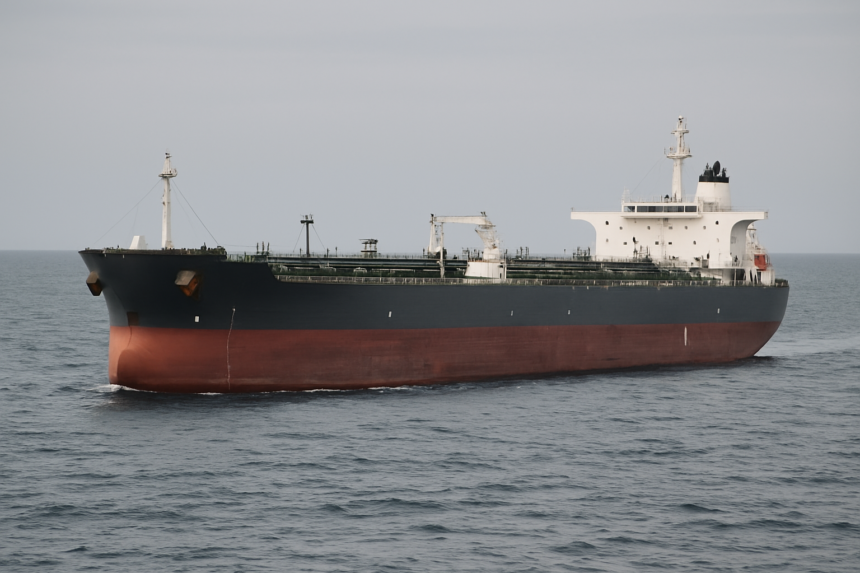
Following the embargo announcement, crude oil tankers including the Liberian-flagged Rodos and Mica, as well as various other vessels, have altered their routes, with several opting not to approach the Bab al-Mandab Strait. The Houthis’ email communication to shipowners warned that vessels loading or unloading at Saudi ports could be at risk of targeting.
Market Repercussions
The Houthi threat is poised to impact not only vessels bound for Saudi Arabia but also international maritime traffic more broadly. Rosemary Kelanic from the U.S.-based think tank Defense Priorities noted that restrictions could inflate oil prices if the situation escalates. The Red Sea has been a significant route for Saudi oil exports, especially since tensions have reduced the viability of the Strait of Hormuz for shipping operations.
Data from maritime intelligence firm Kpler revealed that prior to the embargo announcement, 20 vessels entered the Red Sea while 22 exited via Bab al-Mandab, indicating a vibrant shipping activity that is now under threat. In a precautionary move, the EU’s naval force Aspides recommended that merchant vessels associated with Israeli, U.S., or Saudi interests steer clear of the Red Sea and Gulf of Aden until the threat level decreases.
Geopolitical Context
The ongoing civil war in Yemen, ignited by the Houthi capture of Sana’a in 2014, has led to escalating maritime tensions. Saudi Arabia’s blockade of Houthi-controlled regions has prompted retaliation from the Houthis, aiming to assert control over maritime routes crucial for global trade.
The Kingdom has condemned the embargo allegations and affirmed its commitment to safeguard its maritime operations according to international law. The situation remained fluid, with ship owners urged to closely monitor developments.
The Operational Read
The current scenario represents a complex operational challenge for shipping companies navigating the Red Sea. Changes in vessel routing can result in increased laytime and demurrage costs, and any sustained threat to shipping in this corridor could lead to elevated war-risk premiums for operators. Charterers may need to explore alternate routes, such as rerouting vessels around Africa, which could substantially increase transit times and costs. Industry stakeholders should watch for updates on naval advisories as the geopolitical landscape evolves, impacting operational decisions at every level of the supply chain.