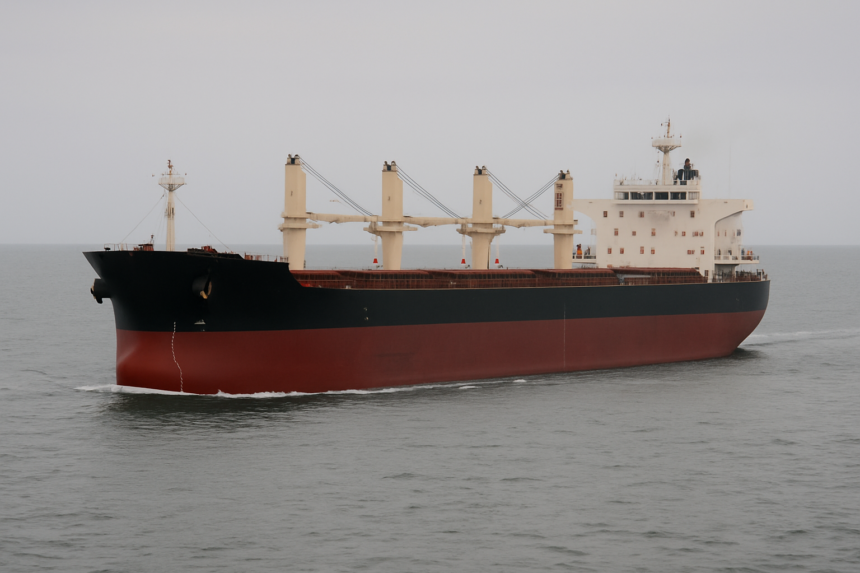
Nasdaq-listed Icon Energy has shifted its operational strategy by transitioning the panamax bulker Alfa from an index-linked charter to a fixed-rate agreement. This vessel, constructed in 2006 and possessing a deadweight tonnage of 77,326 dwt, is now chartered to a major international commodity trading conglomerate for an indefinite period.
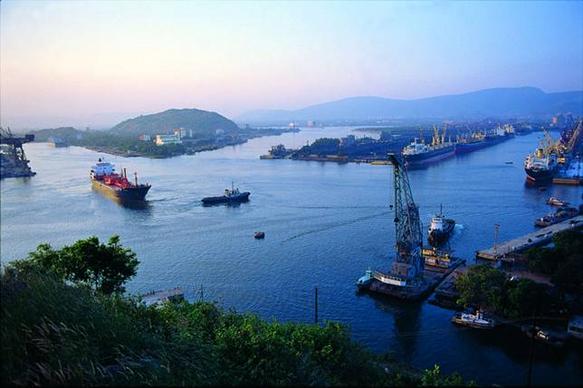
59.162.175.35 08:37, 13 April 2012 (UTC)vasudevarao.k / Wikimedia Commons (CC BY-SA 3.0)
The Charter Agreement
The new fixed-rate charter signifies a proactive approach amidst fluctuating market conditions. Under this deal, the agreement can be terminated by either party with three months’ notice, providing a flexible framework that accommodates changing market dynamics.
Market Context
In recent years, shipping operators have faced significant volatility due to shifts in supply and demand, geopolitical tensions, and fluctuating freight rates. The move to a fixed-rate charter may offer Icon Energy more predictable revenue streams compared to index-linked arrangements, which can be vulnerable to market fluctuations. This trend reflects a growing inclination among operators to seek stability in their contracts.

Operator Response
Icon Energy’s decision may resonate with other bulker owners looking to mitigate risks associated with market instability. By securing fixed-rate charters, operators can better manage operational budgets and plan for future investments. Furthermore, this shift may influence charter rates in the broader market as operators recognize the value of predictability.
Behind the Headline
The shift from an index-linked to a fixed-rate charter is indicative of a significant strategy adjustment by maritime operators in an unpredictable economic environment. This transition, while ensuring revenue stability, also underscores a broader trend within the shipping sector. As demand patterns fluctuate and regulatory pressures evolve, operators are increasingly opting for arrangements that minimize exposure to external volatility. Monitoring how such decisions affect chartering strategies and vessel utilization rates will be crucial as the market develops in the coming months.