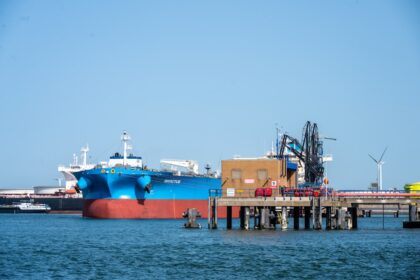
Kuwait’s oil production has rebounded to about 75% of its prewar output as tankers increasingly risk navigating the highly contested Strait of Hormuz. According to Sheikh Nawaf Al-Sabah, chief executive officer of Kuwait Petroleum Corp. (KPC), the country is currently pumping around 2 million barrels per day, compared to approximately 2.6 million barrels per day before the conflict with Iran began at the end of February 2026.
The Current Situation
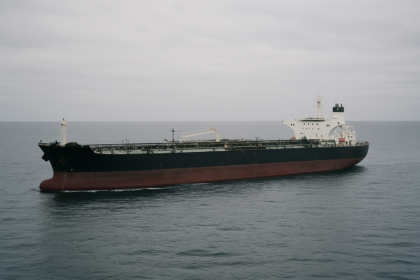
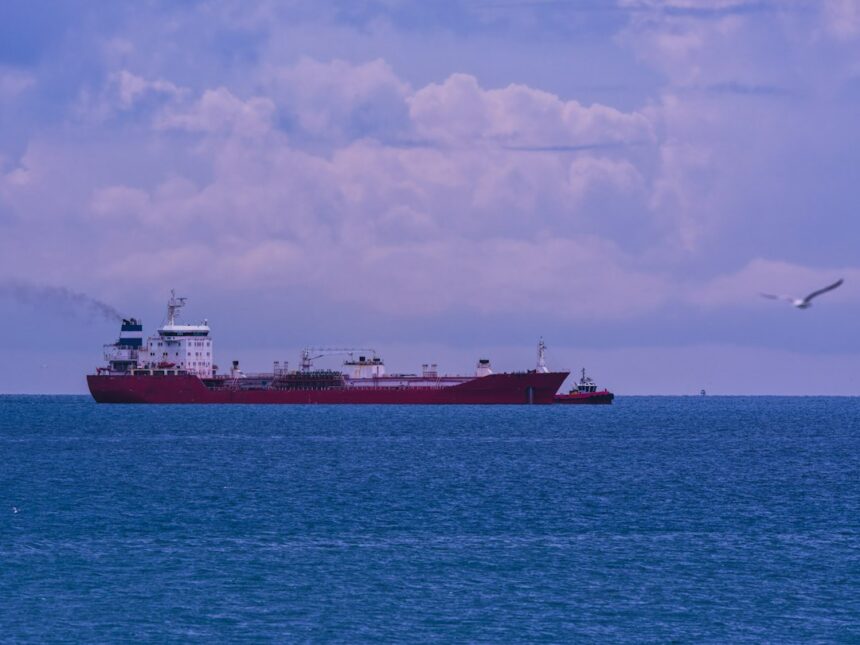
In the early months of the Iran conflict, Kuwait’s oil output fell below 1 million barrels per day, primarily due to Iranian actions that obstructed shipping through the strait. However, as tensions have persisted, a growing number of tankers are successfully navigating the waterway despite the inherent risks. Sheikh Nawaf discussed this trend, stating that “more ships are getting through because people recognize there’s no alternative to the Strait of Hormuz.” He emphasized the strategic importance of the strait to international commerce, noting that no pipeline or storage solution could replicate its critical role.
Market Implications
Internationally, Kuwait’s resurgence in oil production coincides with a broader trend in the Middle East, where countries like the UAE and Saudi Arabia are also ramping up exports through Hormuz. Despite the challenges posed by ongoing attacks on ships in the area, Gulf producers are steadily dispatching cargoes, with estimates suggesting oil shipments are nearing prewar levels.

However, the global market is still grappling with a shortage of oil products, a situation worsened by European nations having to tap into strategic reserves to alleviate emergencies related to diesel and jet fuel supplies. Sheikh Nawaf pointed out that Kuwait has historically been a significant supplier of these fuels to the region.
KPC’s Strategic Measures
Kuwait’s refinery operations remain functional, yet navigation disruptions through the Strait of Hormuz present ongoing challenges. To mitigate these risks, KPC is pursuing plans to expand its fleet of tankers, which currently includes 29 vessels. “We found that having a strategic tanker fleet that we own is more beneficial to us,” Sheikh Nawaf noted, highlighting the importance of control over logistics in times of geopolitical uncertainty.
Future production aspirations remain robust, with plans to increase capacity to 4 million barrels per day by 2035 from the existing 3 million barrels. Additionally, KPC is exploring pipeline options through Saudi Arabia and the UAE to diversify its logistics network further.
The Operational Read
The operational landscape for Kuwait’s oil sector illustrates the intricate balance between production capabilities and geopolitical realities. The reliance on the Strait of Hormuz underscores the vulnerability of supply chains in the region. For operators, investment in a dedicated tanker fleet is becoming increasingly crucial in ensuring uninterrupted access to markets despite threats to navigation. As the situation evolves, close attention must be paid to regional security developments and their potential impact on oil pricing and availability in global markets.