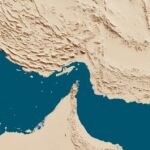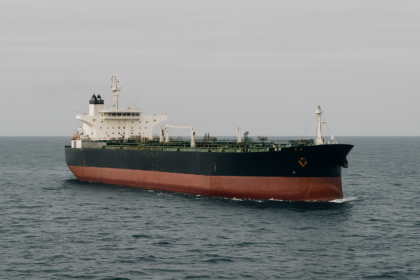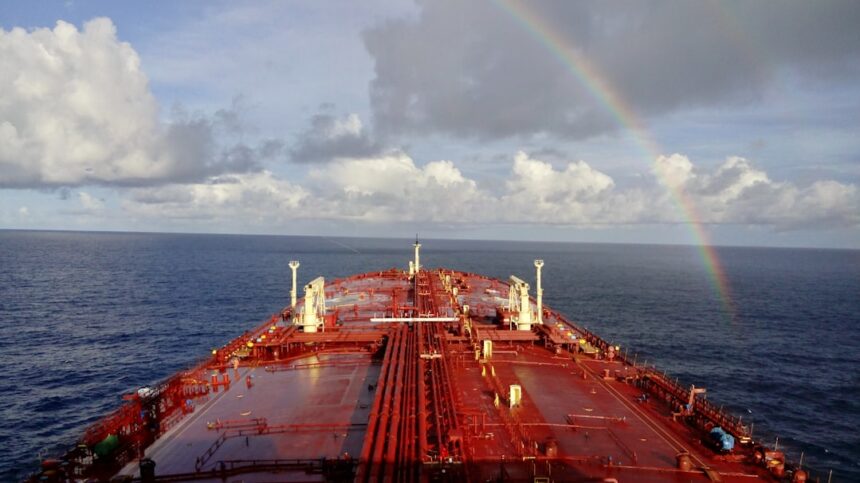
The government of Iran is set to introduce a new exclusion zone near the Strait of Hormuz, a strategical maritime chokepoint, aimed at vessels it suspects intend to transit the waterway. Mohsen Rezaei, the head of Iran’s Supreme National Security Council, confirmed this development during an interview with state media on Sunday, articulating that the zone’s parameters will extend from the U.S. naval blockade into the Persian Gulf. Ships identified as entering this area will face sanctions from Tehran.
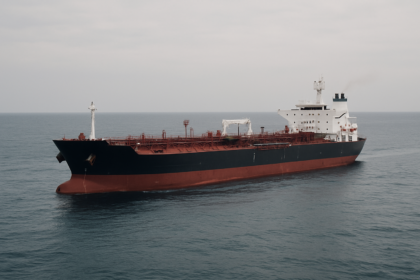
This announcement follows heightened tensions in the region, marked by a series of military conflicts. Notably, the U.S. military recently conducted airstrikes on Iranian oil tankers in retaliation for missile assaults on U.S. warships by Iran. Experts are warning that these actions may escalate the already volatile situation, which has seen Iran targeting commercial shipping operations.
The Impact of the U.S. Naval Blockade
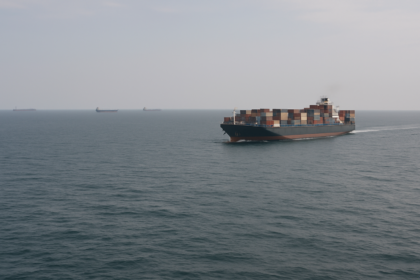
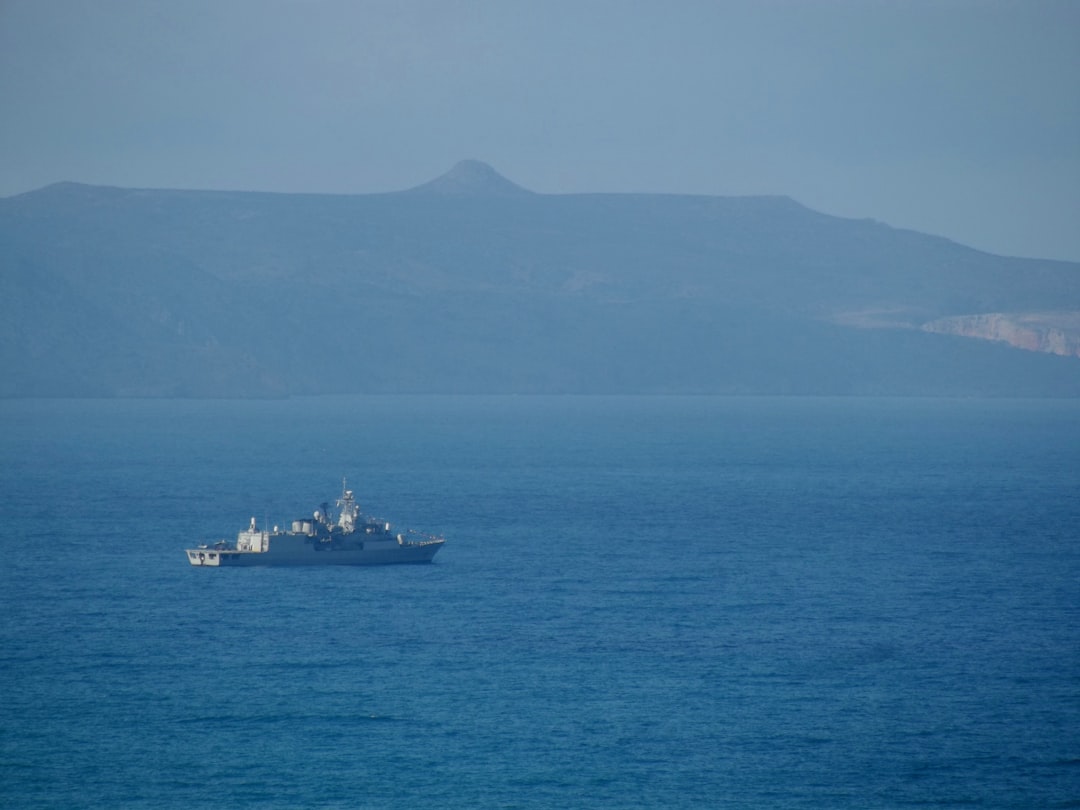
The ongoing U.S. naval blockade, which involves over 20 warships, aims to disrupt Iran’s oil exports and enforce economic sanctions. As of Sunday, the military has redirected 92 commercial vessels and taken action against three ships. This increased military presence underscores the strategic significance of the Strait of Hormuz, through which approximately 9 million barrels of oil transit daily.

Iran’s planned exclusion zone, the precise location of which remains unspecified, represents a direct challenge to international shipping norms in the area. The Iranian leadership, notably its hardline elements, have shown a willingness to confront the U.S. and its allies regarding oil shipping, potentially complicating negotiations amid the backdrop of a persistent economic crisis exacerbated by sanctions.
Recent Military Escalations
The renewed violence between the U.S. and Iran, which resumed last week after a brief lull, has further destabilized the maritime routes around the Strait. Notably, a U.S. bombardment resulted in civilian casualties, drawing renewed attention to the ongoing conflict. Tehran has claimed responsibility for attacks on vessels, including an unmanned U.S. ship allegedly attempting to enter Iranian waters—a claim dismissed by U.S. military officials as unfounded.
As tensions continue to rise, especially following the collapse of recent negotiations aimed at curbing hostilities, the region’s shipping operators are left grappling with increased risks. Shipping companies must assess the operational reality of navigating this challenged maritime landscape, weighing risks of insurance surcharges against the potential of losing access to this critical oil transit route.
The Operational Read
The announcement of a new exclusion zone by Iran indicates a strategic shift that could impact vessel routing decisions significantly. For operators, understanding the geographic and geopolitical implications is essential as they navigate this high-risk area. With a simultaneous focus on military enforcement from U.S. vessels, potential delays, heightened war-risk premiums, and even rerouting may become standard considerations. The outcomes of these developments will hinge on the interactions between shipping companies and the evolving political environment, particularly amid Iran’s ongoing efforts to circumvent sanctions and maintain its oil exports.