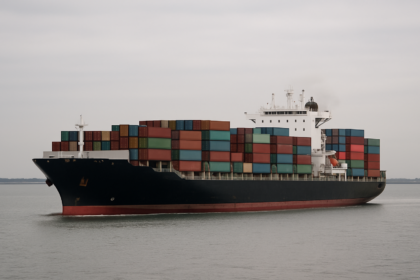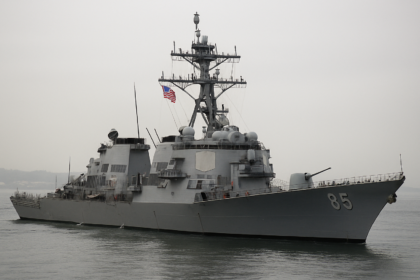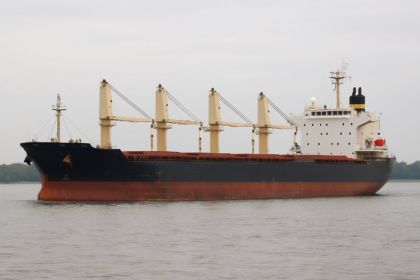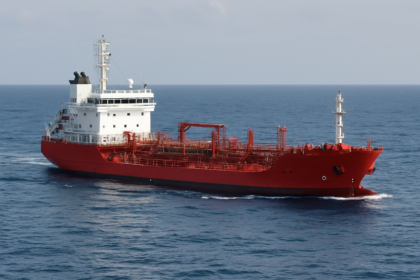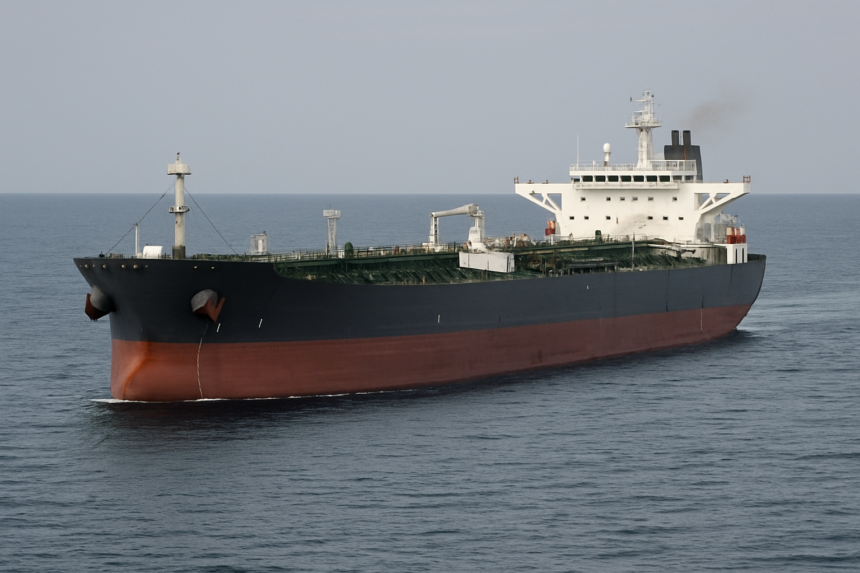
The Strait of Hormuz has returned to a semblance of activity following a memorandum of understanding between the United States and Iran, but the navigational landscape has transformed. As of June 20, U.S. Central Command reported that 55 merchant ships transited the strait, transporting more than 17 million barrels of oil, indicative of a gradual recovery from recent disruptions.
The Complex Navigation Landscape
Operators now face a critical decision between two distinct shipping routes. The northern route, controlled by Iran’s Persian Gulf Strait Authority (PGSA), imposes a permission-based regime that could complicate passage for commercial vessels. The United States sanctioned the PGSA in May for alleged ties with the Islamic Revolutionary Guard Corps, casting a shadow over navigation through this corridor. In contrast, the southern route, backed by U.S. forces, emphasizes freedom of navigation and encourages communications with the U.S. Navy’s Naval Cooperation and Guidance for Shipping (NCAGS).
While the U.S. aims to ensure safe passage and uphold the maritime agreement, complexities arising from Iran’s management of the northern route present new challenges. INTERCARGO reported that Iranian officials contacted vessels on June 19, denying permission for transit, raising fears of increased regulatory hurdles for shipowners and insurers opting for this path.

Impact on Market Dynamics
The operational choices now confronting shipping companies could potentially affect freight rates and insurance premiums. The southern route, despite increased operational compliance requirements such as maintaining operational AIS and VHF communications, allows for greater autonomy away from Iranian oversight. In contrast, the northern route, while potentially quicker, comes with elevated risks and uncertainties associated with Iranian transit permissions.
Insurance underwriters will likely revise assessments based on the conflicting operational regimes, leading to heightened premiums for vessels traversing the Iranian corridor. The continued presence of mines further complicates the situation, posing risks not only to vessels but also to the overall stability of trade routes that are vital to global oil supply.
The Operational Read
The current dual transit regimes in the Strait of Hormuz reflect the ongoing geopolitical tensions, creating a complex risk landscape for operators. The distinction between the Iranian-controlled northern route and the U.S.-supported southern corridor will necessitate careful decision-making by shipowners. Key considerations will include the potential for increased delays and regulatory burdens in the northern lane versus the relative safety and autonomy of the southern passage. Monitoring developments in Iranian maritime policy and U.S. naval presence will be crucial for navigating these waters effectively. The operational balance between security and efficiency remains vital as market participants adjust to the changing conditions at this strategic chokepoint.