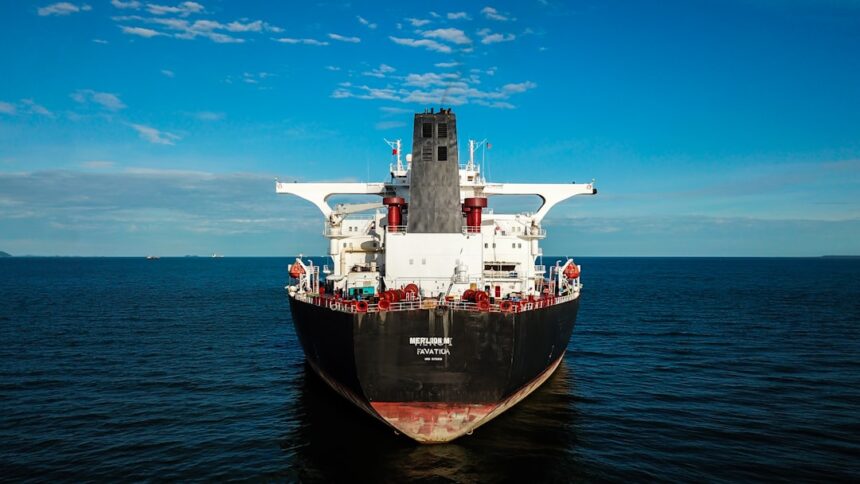
The global shipping industry is raising alarm over the safety of civilian seafarers amid a troubling rise in attacks on merchant vessels. The International Chamber of Shipping (ICS) and the dry bulk association INTERCARGO have issued statements expressing their concerns regarding the ongoing geopolitical conflicts impacting maritime operations, particularly in the Middle East and Black Sea regions.
Recent Escalations
The call to action comes nearly five months after intensified fighting in the Middle East, coinciding with a significant increase in assaults on commercial shipping in the Strait of Hormuz and the Black Sea. Seafarers involved in these regions often find themselves in peril due to circumstances beyond their control. INTERCARGO stated, “Seafarers keep global trade moving. They are civilians doing their jobs. They should never be treated as military targets.” This stance underscores the association’s commitment to the protection of merchant mariners who are not involved in armed conflicts but face threats nonetheless.
Industry Leadership Concerns
ICS Secretary General Thomas Kazakos emphasized that the maritime industry is now grappling with multiple crises affecting vital maritime chokepoints. He remarked, “Today marks five months since the escalation of conflict in the Middle East. Meanwhile, in the Black Sea, we are seeing an alarming rise in the attacks on international shipping.” This growing concern is compounded by the assertion that freedom of navigation must remain intact to ensure the safety of personnel aboard merchant ships.


Furthermore, the International Maritime Organization (IMO) has echoed these industry concerns, with Secretary-General Arsenio Dominguez condemning attacks on civilian vessels in the Sea of Azov and Black Sea. Dominguez called for all parties engaged in conflicts to avoid actions that jeopardize commercial shipping, affirming the notion that innocent seafarers should not become casualties amid geopolitical risks.
Safety and Operational Guidance
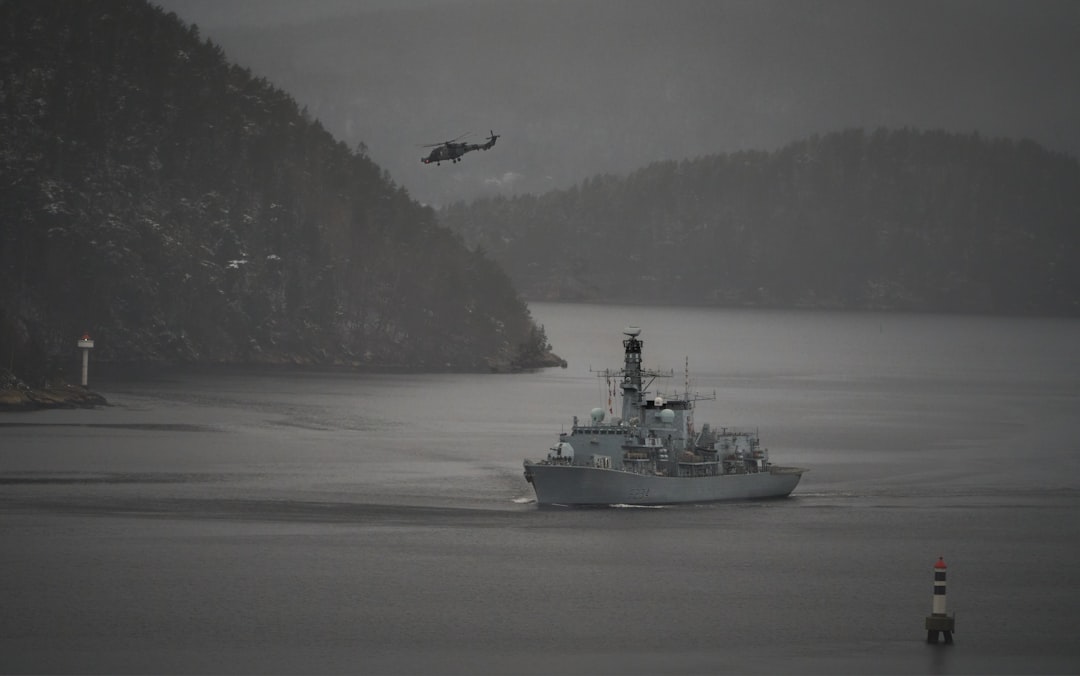
The International Transport Workers’ Federation (ITF) has also voiced its apprehensions regarding the impact of escalating conflicts on transport workers. General Secretary Stephen Cotton pointed out that the price of these conflicts is being paid by civilian transport personnel, noting recent tragic incidents in the Strait of Hormuz which resulted in the death of an Indian seafarer and injuries to others.
The situation is further complicated by the suspension of merchant shipping activities in the Sea of Azov due to increased attacks and intensified strikes on Ukraine’s port infrastructure. To ensure the safety of shipping operations, industry groups are now enhancing operational guidance for shipowners. INTERCARGO, among others, has released security advisories amid heightened tensions, particularly related to inflammatory rhetoric between Iran and the United States.
The Operational Read
The current environment underscores the critical need for enhanced security measures within the maritime sector. As geopolitical tensions influence shipping routes, operators must prioritize the safety of their crews by implementing stringent operational protocols and remaining vigilant. Stakeholders in the maritime industry, including shipowners and charterers, should be prepared to adapt to evolving risk assessments and consider rerouting or increasing insurance coverage in high-risk areas. The combination of a deteriorating security climate and rising threats to civilian seafarers necessitates comprehensive strategies to navigate these complex challenges in maritime operations.