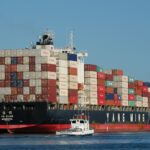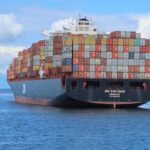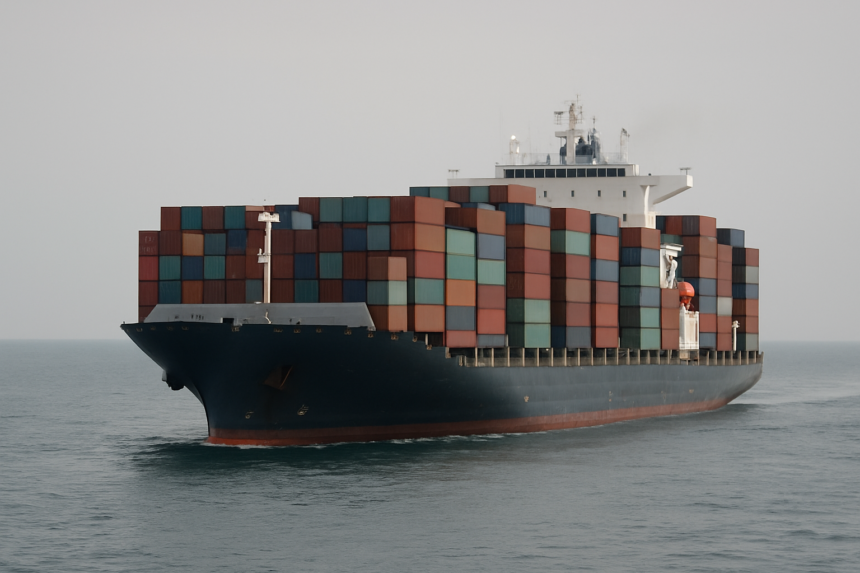
In a significant escalation of military action, the United States has launched a third round of strikes against Iran following an attack on the container ship M/V GFS Galaxy while it transited the Strait of Hormuz. The strikes commenced at 7:15 p.m. ET on Saturday, following a debilitating assault attributed to the Islamic Revolutionary Guard Corps (IRGC), which rendered the vessel inoperable due to an engine room fire, leaving one crew member missing.
Details of the Attack
The incident occurred approximately 9 nautical miles east of Oman, where an unidentified projectile struck the stern of the GFS Galaxy. According to United States Central Command (CENTCOM), the vessel’s crew successfully abandoned ship, with a fortunate rescue by local authorities. However, the missing crew member raises concerns over the safety protocols and maritime security within this critical shipping lane.
U.S. Military Response
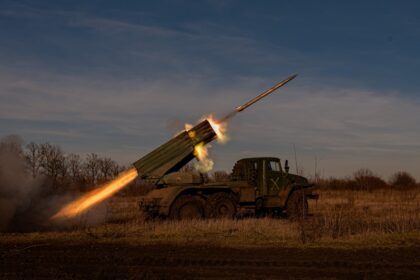
In a rapid succession of military operations, CENTCOM reported striking more than 300 military targets across Iran in a span of three nights. The recent strikes specifically targeted missile and drone launch sites, naval assets, and communication networks to degrade Iran’s capabilities of conducting operations against commercial shipping. The U.S. military asserts that its operations have facilitated the safe transit of over 800 commercial vessels since early May, carrying roughly 400 million barrels of crude oil, despite ongoing hazards in the Strait.

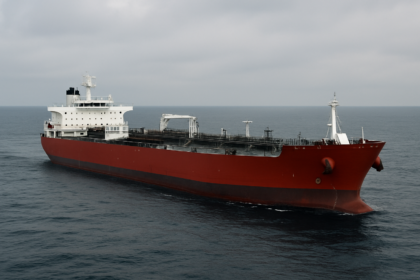
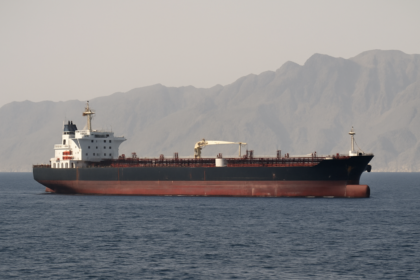
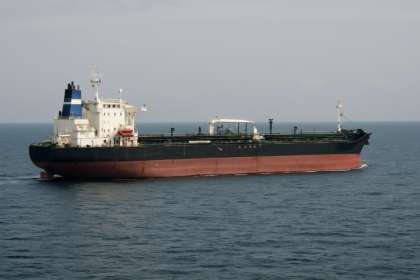
The renewed military action closely follows earlier assaults on other commercial vessels, including the Marshall Islands-flagged tanker Al Rekayyat and the Saudi Arabia-flagged tanker Wedyan, prompting an aggressive U.S. response to hold Iranian forces accountable and restore security.
Impact on Maritime Shipping
The broader maritime security situation in the Strait of Hormuz, a vital corridor for global oil shipments—accounting for a significant share of the world’s energy transport—remains precarious. The Joint Maritime Information Center maintains a severe threat level warning, highlighting the increased Iranian activity and nine attacks since mid-June that continue to affect commercial traffic volumes. Despite CENTCOM’s assurances of operational capability in maintaining freedom of navigation, the decline in shipping activity reflects operator caution and the lingering fear of heightened risks.
The Operational Read
For maritime operators, the current scenario presents complex challenges that directly impact operational decisions, including risk assessment and route planning. The ongoing military engagements heighten the importance of vessel tracking and real-time intelligence gathering to ensure crew safety and cargo integrity. While the U.S. asserts that transit remains safe, the recent incidents underscore the volatile nature of this chokepoint. Operators must stay attuned to geopolitical developments and operational advisories to navigate this essential waterway effectively.