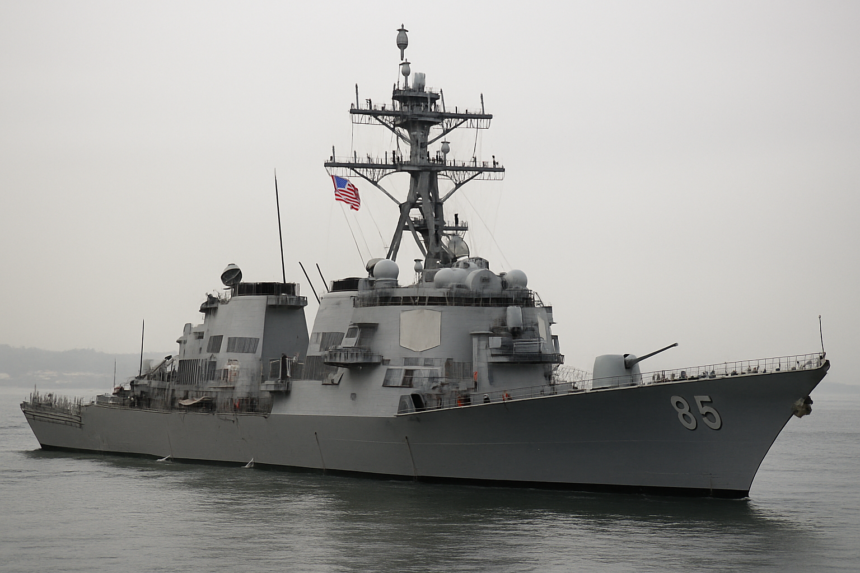
As the European Union contemplates a significant shift in its military maritime strategy, it has proposed that the Aspides naval mission take on a primary role in mine-clearing operations within the Strait of Hormuz. This recommendation stems from an ongoing initiative led by France and Britain aimed at enhancing security in this critical waterway, which is essential for the movement of global oil and liquefied natural gas (LNG) supplies.
Current Tensions in the Strait
The proposal reflects increasing concerns over hostilities in the region, which have reached a new intensity following recent strikes by the U.S. and Israel on Iran. The EU’s External Action Service articulated a pressing need for the Union to offer a meaningful contribution to bolster maritime safety. This revelation came through a document dated May 26 and shared with member states, emphasizing that the EU would act once conditions allow and the situation is separated from ongoing conflicts.
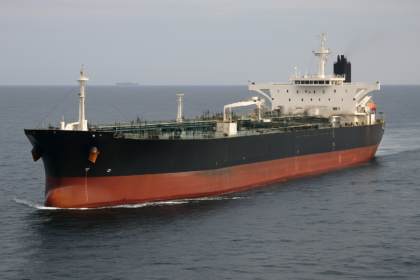
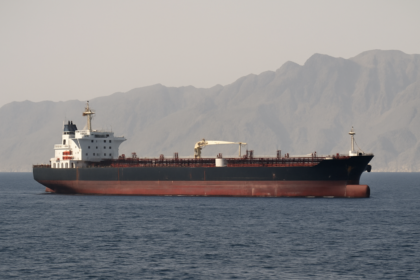
Currently, the ongoing conflict has rendered the Strait of Hormuz de facto closed, with Iran selectively controlling vessel movements, impacting approximately 20% of the world’s oil and LNG traffic. The strategic choke point, frequently under threat from regional hostilities, necessitates a robust international response to ensure safe maritime transit.

Broader Implications for EU Security
The proposal to enhance the Aspides mission underlines the EU’s intent to demonstrate responsibility and ownership in addressing security challenges affecting its member states. Successful approval of the new mandate would require unanimous support from all 27 EU countries, a task made difficult amid varying national interests. Should this initiative move forward, it would also allow EU member states to financially support the operation collaboratively, showcasing a united front in maritime security.
Ongoing negotiations led by France and Britain seek to establish a coalition of nations ready to assist in ensuring the safety of maritime routes once regional stability is restored. German, Italian, and other EU naval forces may also be engaged in ensuring a coordinated response should the operational mandate be extended.
The Operational Read
The enhancement of the Aspides mission to include mine-clearing capabilities is an essential development in the context of growing geopolitical tensions in the Strait of Hormuz. For shipping operators, the implications are twofold: increased operational risks and an urgent need to adapt to evolving maritime security protocols. A renewed focus on mine warfare will necessitate closer coordination between commercial and military maritime sectors, particularly for vessels transiting this key chokepoint. Operator responses should include comprehensive route risk assessments and potential contingency planning for delays, as any escalation in hostilities could disrupt shipping schedules significantly.