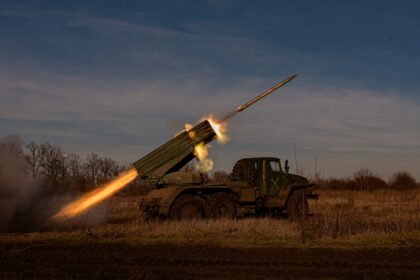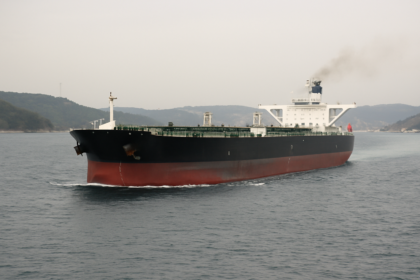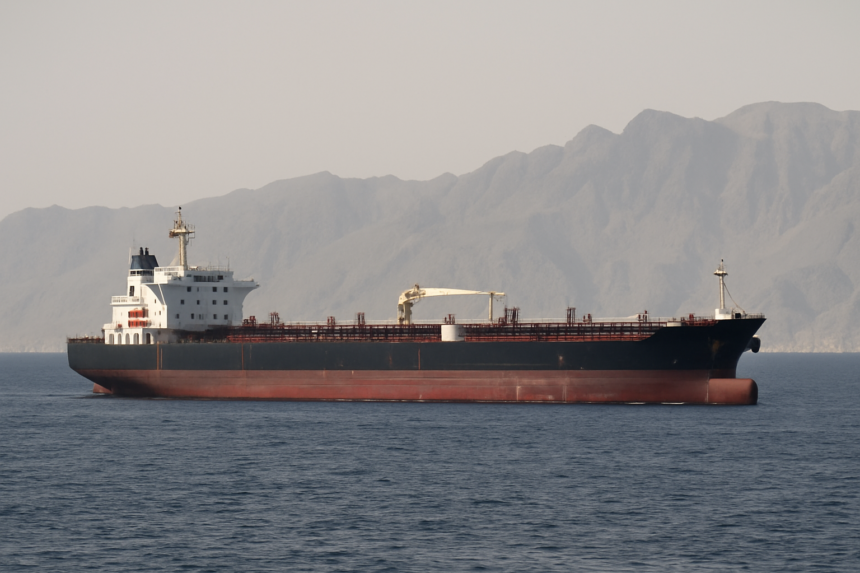
On August 30, 2026, US forces conducted airstrikes against Iranian rocket launchers as tensions escalated between the two nations. This marks the first military engagement in nearly a month. The attack was prompted by intelligence suggesting that Iran was poised to launch rockets carrying mines into the strategically critical Strait of Hormuz, a vital chokepoint for global oil supplies.
The Incident
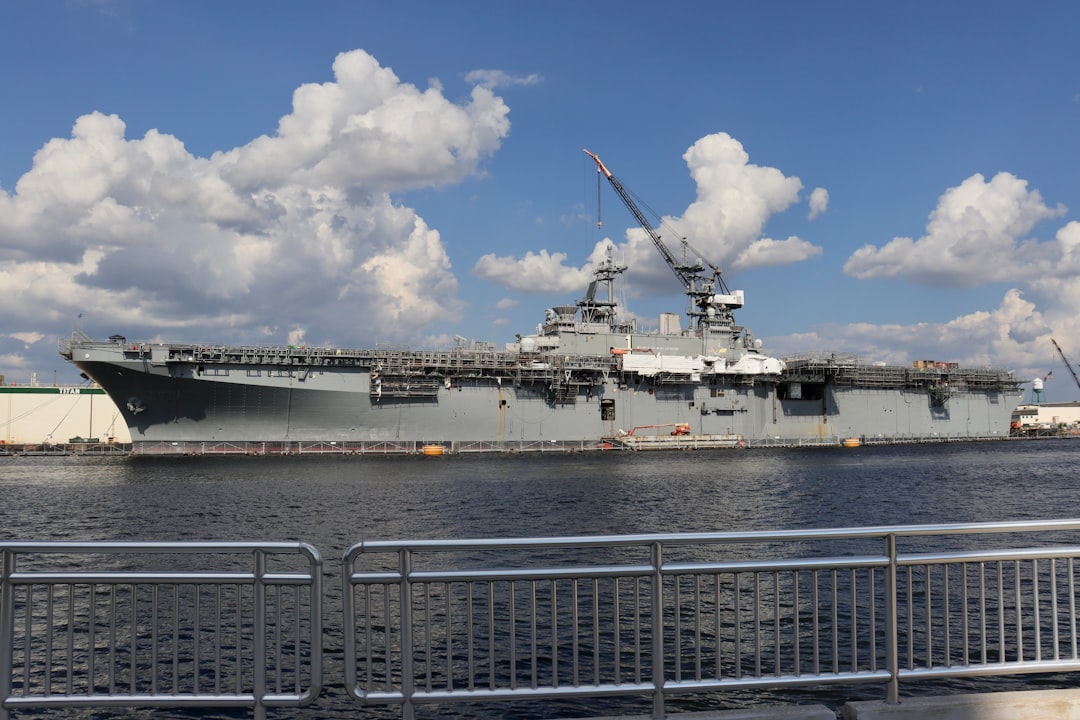
According to Captain Tim Hawkins, a spokesperson for US Central Command, American troops are closely monitoring this essential waterway to ensure the free flow of commerce. Shortly afterward, Iran’s Islamic Revolutionary Guard Corps launched missiles and drones targeting US air bases in Jordan in retaliation for the airstrikes. The Jordanian military successfully intercepted eight missiles which breached its airspace, preventing any potential damage or casualties.
Market Impact
The recent spike in military hostilities has significant implications for global energy markets. Following the exchanges of fire, Brent crude oil prices experienced a 2.4% increase, crossing the $90 per barrel threshold. Analysts warn that a sustained conflict could inflate energy costs and further complicate inflationary pressures on global markets, which are already strained. These rising prices could influence voter sentiment ahead of the upcoming midterm elections in the United States, amid growing public dissatisfaction with current policies.


Operator Response
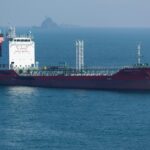
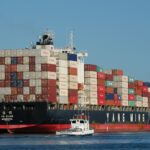
In light of these developments, shipping operators are advised to maintain heightened vigilance while transiting the Strait of Hormuz. Recent reports indicate that US military operations had involved the clearance of mines from shipping routes; however, concerns persist over the likelihood of further mining activities. Stakeholders in the energy sector are closely monitoring these events, considering contingency plans to mitigate risks associated with potential disruption in oil supplies. Furthermore, the US Treasury is poised to impose additional sanctions on businesses engaging with Iran, which, as of now, includes a significant focus on financial operations with nations like China, which sources the majority of Iran’s oil exports.
The Operational Read
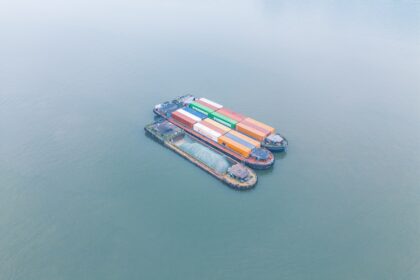
The recent uptick in military engagement in the region highlights the complexities faced by shipping operators in the Strait of Hormuz. The potential for conflict in this strategic area underscores the critical necessity for vigilant routing decisions and enhanced security measures for vessels transiting the strait. Operators should prepare for possible trade disruptions, heightened war-risk premiums, and fluctuating insurance costs. The ongoing escalation could necessitate reevaluation of operational strategies, including potential alternative routing through less vulnerable corridors, as global dynamics continue to evolve under the influence of geopolitical pressures. Close monitoring of diplomatic developments is essential as tensions persist.