The increasing threat level posed by Houthi forces in the Red Sea has prompted Kaja Kallas, the European Union’s foreign affairs chief, to advocate for enhanced naval deployments from EU member states. Kallas made the call on September 22, during a meeting on the sidelines of the United Nations General Assembly, highlighting the necessity for additional naval and air assets in Operation Aspides.
The Current Mission
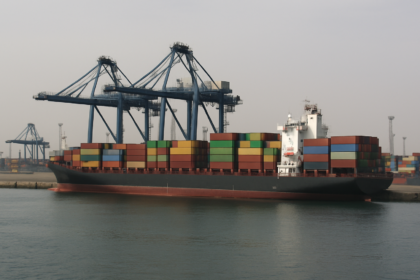
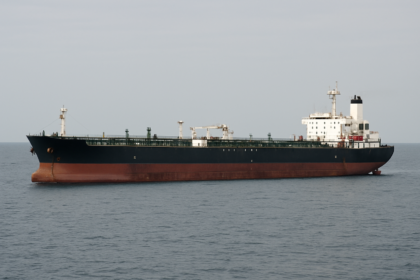
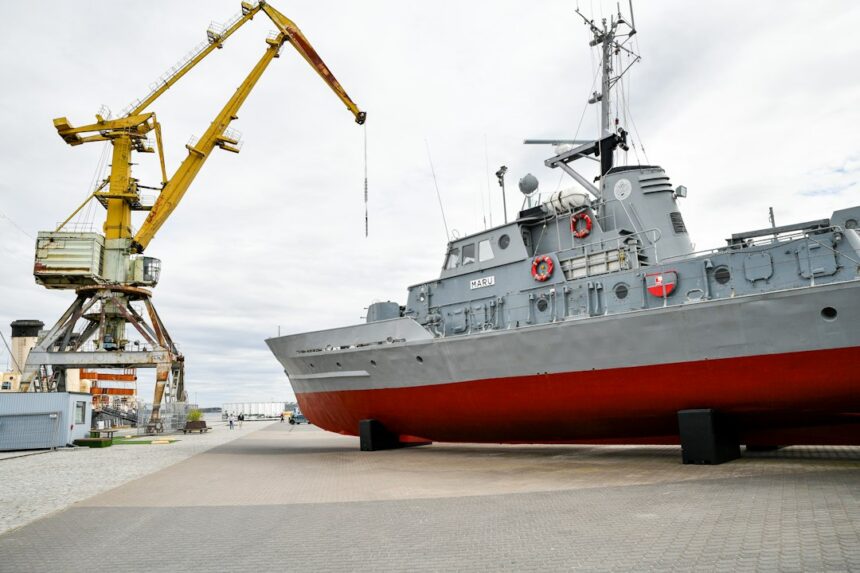
Operation Aspides has been active since 2024, primarily involving three ships supplied by Italy and Greece, aimed at patrolling vital shipping lanes in the Red Sea. These measures have become increasingly urgent due to the persistent dangers from Houthi militants, which threaten commercial vessels transiting the Bab el-Mandeb Strait.
Kallas noted that the disruption of critical maritime chokepoints like the Bab el-Mandeb, the Black Sea, and the Strait of Hormuz has broader implications that extend well beyond regional borders. “The situation, I think, is even more grave right now,” Kallas stated, reflecting the heightened risks that have emerged since the operation’s inception.

Challenges Ahead
Despite Kallas’s plea, EU member states have shown reluctance to boost their military presence in the region or modify the overarching goals of Operation Aspides. The initial assessment at the launch of the operation indicated a need for at least ten ships to adequately ensure maritime security in the increasingly perilous waters. As it stands, the limited deployment may not be sufficient to address the escalating challenges posed by Houthi actions.
The lack of commitment from member states raises concerns for commercial shipping operators, who face greater risks, including potential delays, increased insurance costs, and the threat of more direct hostilities in a critical area of global trade.
The Operational Read
The call for a strengthened naval presence underscores the operational realities confronting shipping lines that navigate the Red Sea. Given the strategic importance of this corridor, the reluctance to expand naval assets could lead to heightened security risks for operators. For crews involved, the situation necessitates vigilant operational protocols amidst potential escalations. As stakeholders evaluate their exposure in the Red Sea, industry players will closely monitor EU responses and any shifts in operational strategy that may arise. Future developments in regional politics and military readiness will be pivotal in shaping the maritime landscape in this key trading route.