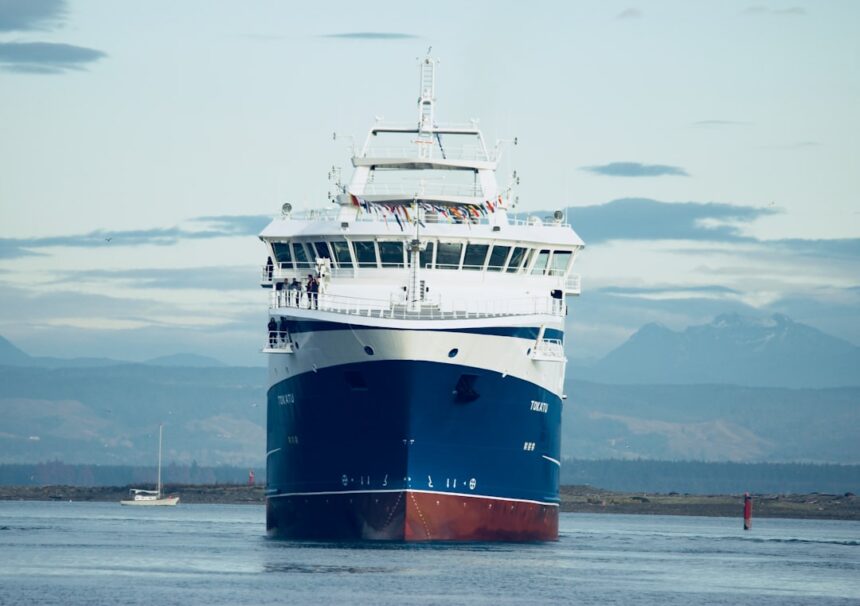
Singapore’s LNG bunker prices have experienced a significant surge, increasing by $102/mt over the past week to reach $1,442/mt. This rise reflects escalating geopolitical tensions and supply concerns related to energy shipments through the Middle East. Notably, the premium of LNG bunker prices in Singapore over Rotterdam has now widened to $163/mt, up from $131/mt just a week earlier.
The Current Market Landscape
As of late July, the NYMEX Japan/Korea Marker (JKM) for front-month contracts also saw an upward movement, rising by $1.72/MMBtu to $22.94/MMBtu ($1,193/mt). Analysts suggest that the surge is largely supported by geopolitical turmoil, particularly as tensions continue to rise between the United States and Iran. The Japan Organization for Metals and Energy Security (JOGMEC) has noted that the JKM-TTF spread’s narrowing trend raises concerns about tightening spot LNG availability in Asia.
In comparison, Rotterdam has reported an LNG bunker price rise of $70/mt, correlating with an approximately 6% increase in the front-month Dutch TTF natural gas contract. As geopolitical risks mount, such as the ongoing instability in the Strait of Hormuz and supply challenges arising from Russian actions in Ukraine, there is a shared apprehension in the market about future supply disruptions.

Implications for Global Operators
The increase in Singapore’s LNG bunker prices can be attributed to multiple factors, including robust summer demand for gas-based power generation, which has been further elevated by recent heatwaves and outages in hydro and nuclear energy sources. Furthermore, LNG sales in Singapore recorded a 7% increase in July, totaling 59,000 mt, driven by rising competition for available cargoes amidst the aforementioned geopolitical concerns.
Looking ahead, operators should remain vigilant as low storage levels in the EU—currently at only 62.3% full, compared to 79.8% last year—contribute to a tightening market landscape. Norwegian supply disruptions due to unplanned maintenance further complicate the situation, increasing the likelihood of elevated prices in the near term for LNG bunkering services globally.
The Operational Read
The recent fluctuations in LNG bunker prices heavily influence operational costs, presenting significant challenges for charterers and operators. The widening disparity in prices between key bunkering hubs such as Singapore and Rotterdam signals potential supply stress, necessitating strategic planning for fleet operators. Increased prices may prompt shipping companies to seek alternative routes or adjust purchasing strategies to mitigate operational costs. Attention should be focused on the evolving geopolitical landscape, as ongoing tensions could result in further volatility in supply and pricing, impacting not only bunker fuel procurement but the broader shipping logistics and profitability.