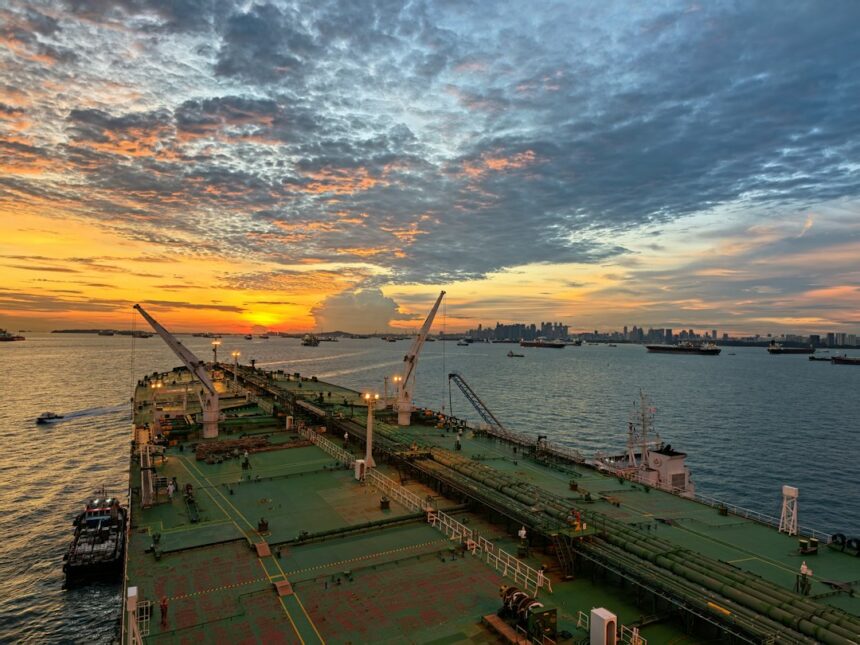
Global oil markets are witnessing a degree of recovery as Gulf oil exports rebound, yet significant disruptions persist for shipping traffic through the Strait of Hormuz. Current reports indicate that vessel movements in this critical maritime chokepoint are still approximately 65% below pre-conflict levels, highlighting ongoing security challenges.
Recovery in Gulf Oil Exports
According to recent assessments from the International Energy Agency (IEA) and UK Maritime Trade Operations (UKMTO), Gulf oil exports, excluding Oman, reached 18.4 million barrels per day in October. This marks a significant recovery, though still down 26% from volumes before hostilities began. Crude shipments contributed largely to this resurgence, with figures showing 15 million barrels per day, approximately 82% of pre-war levels.
Ongoing Disruptions to Vessel Traffic
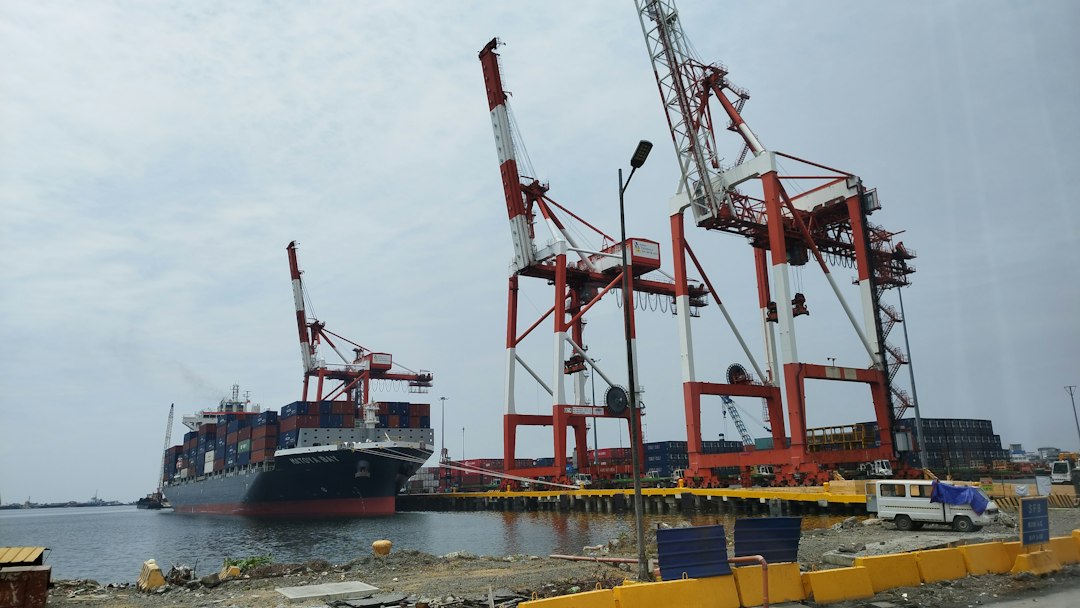
Despite the upswing in oil exports, UKMTO’s latest weekly data reported only 139 outbound and 169 inbound transits through the Strait of Hormuz. These figures represent a stark contrast to the pre-conflict traffic patterns. The UKMTO’s findings also document a precarious security situation, citing eight recent maritime security incidents, including seven attacks targeting tankers. Most of these incidents have occurred within the Strait of Hormuz, pointing to a dangerous operating environment for shipping operators.


Market Dynamics and Freight Rates
While the increase in Gulf exports provides some alleviation to global oil supply concerns—with observed inventories rising by 52 million barrels in October—the shipping industry continues to grapple with elevated freight rates. Rates for crude shipments from the Middle East to Asia remain near record levels, illustrating a disconnect between export recovery and shipping feasibility.
As the situation develops, tanker operators will need to navigate these ongoing challenges carefully, especially with the reported tightening of diesel supplies in Europe, where prices have surged to levels about 77% higher than pre-conflict times. In response to these shortages, IEA member countries are planning to release an additional 71 million barrels from emergency reserves, including 15 million barrels of diesel, by the end of February.
The Operational Read
The current state of the Strait of Hormuz underscores the intricate balance between recovering oil exports and the prevailing security threats that hinder operational efficiency. For shipping operators, this translates to perilous conditions, with many vessels opting for less trafficked routes at a higher operational risk. The continued violence influences not only shipping routes but also costs, as elevated freight rates may deter some operators from engaging in more uncertain operations. The ongoing security challenges will necessitate close monitoring as operators seek to adapt to this complex market dynamic.