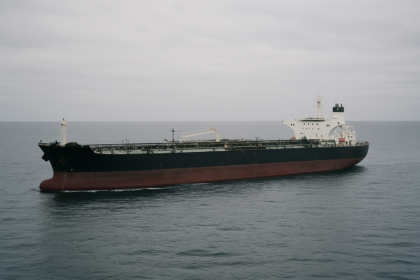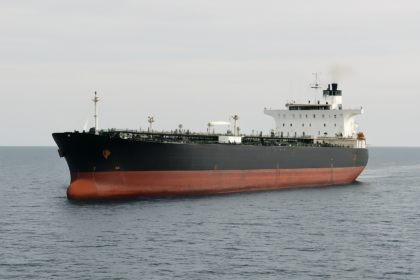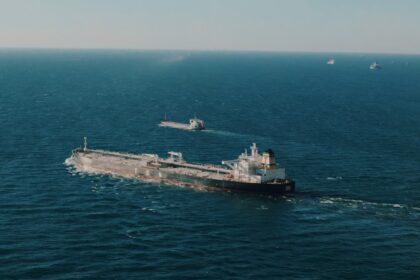
The situation in the Strait of Hormuz has intensified following a dispute between the U.S. Central Command (CENTCOM) and Iran regarding attacks on the Panama-flagged tanker El Gaia. CENTCOM officially dismissed Iran’s assertion that the vessel had struck a naval mine during its transit, stating instead that El Gaia was targeted by Iranian weaponry twice, first by a missile last month and subsequently by a drone recently.
The Incident
According to CENTCOM, the missile strike rendered El Gaia inoperable, while the drone attack occurred when the tanker was off the coast of Oman, resulting in a fire aboard the vessel. A regional partner is currently towing the damaged tanker to safety. CENTCOM criticized the Islamic Revolutionary Guard Corps (IRGC) for what it described as fabrications designed to intimidate commercial shipping in this vital maritime corridor.
Threat to Commercial Shipping
Recent assessments from the UK Maritime Trade Operations (UKMTO) and the Joint Maritime Information Center (JMIC) underscore the dangers commercial vessels face in the Strait of Hormuz. Reports indicate that in just a recent 72-hour period, three vessels were attacked. Additionally, a tanker reported another vessel ablaze nearby, while a different tanker issued a distress call after being struck by an unknown projectile.

Despite CENTCOM’s claims of having cleared Iranian mines from shipping lanes, maritime authorities have refrained from declaring the area free of mine threats. JMIC continues to issue warnings about potential mines, projectile attacks, and IRGC surveillance, raising questions about the safety of navigation in the region. Furthermore, the flow of maritime traffic through the Strait is significantly diminished, reflecting a precipitous drop of about 90% compared to pre-conflict levels.
Market Impact
The current volatile conditions in the Strait of Hormuz are affecting global shipping operations. The UKMTO reported that facilitated transits through the southern route averaged only about 20 vessels per day. In contrast, the AIS-derived data indicated only six transits daily, suggesting that many operators are reliant on facilitated passage due to security risks. This disparity emphasizes a highly cautious approach among shippers navigating this critical waterway.
The Operational Read
The ongoing tensions in the Strait of Hormuz present significant operational challenges for shipping companies and charterers alike. The escalating military actions and Iran’s contentious claims contribute to an unstable environment that complicates voyage planning. Operators need to closely monitor developments, including potential Iranian aggression or further military interventions, while assessing the risks associated with transiting the strait. As the global shipping market adapts to these risks, the reliance on facilitated passage may continue to shape route planning and insurance rates, with operators likely remaining cautious in their operations.