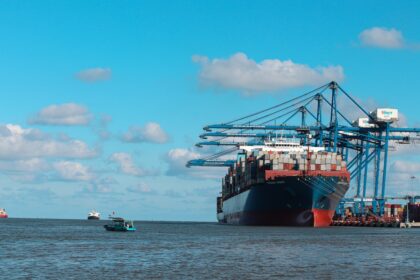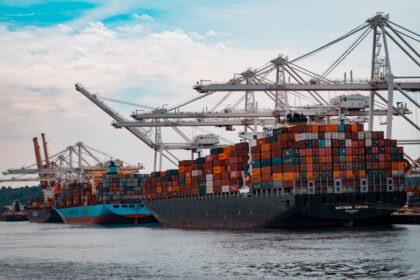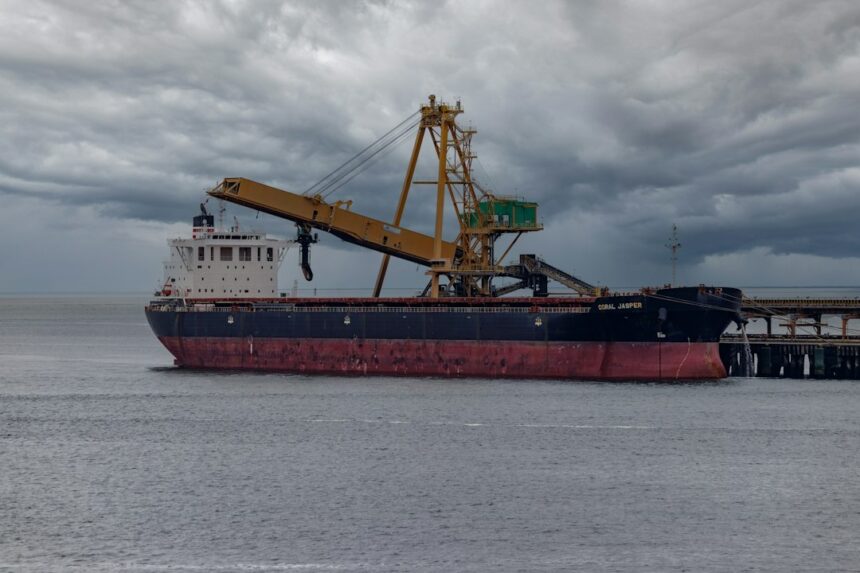
Recent analysis indicates that the global dry bulk fleet is experiencing notable changes, with vessels now spending nearly 20% longer at sea compared to early in the decade. This phenomenon is paired with a reduction in travel speeds, complicating capacity calculations within the industry. These developments are occurring concurrently with a surge in freight rates, which have advanced to multi-year highs.
Impact of Increased Transit Times
This increase in time spent at sea is effectively removing available capacity from the dry bulk fleet. With bulk carriers traveling more slowly, the impact extends beyond operational timeframes; it alters the pace at which operators can respond to market demands. This dynamic is particularly crucial as shipowners and charterers seek to capitalize on heightened freight rates.
Market Dynamics and Future Trends
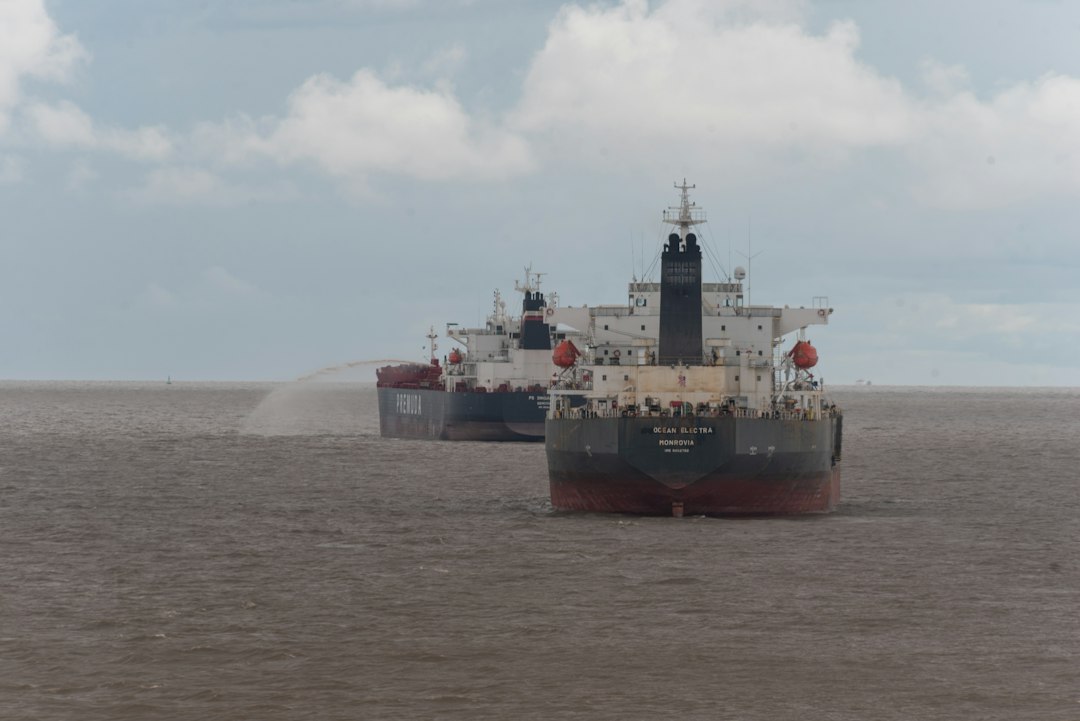
Despite an expanding fleet, the market is witnessing tighter conditions due to the dual effects of slower speeds and elongated voyages. The resulting decrease in effective capacity poses significant challenges for charterers, as securing vessel availability amid rising costs becomes increasingly competitive. Analysts from Greece’s Ursa note that these conditions will likely continue to influence freight rates, as demand pressures remain robust.

Behind the Headline
This situation reflects broader operational challenges faced by the dry bulk sector. The increase in voyage duration and reduced vessel speed not only complicate logistics for operators but also signal potential changes in procurement strategies. Firms may need to reconsider their supply chains and inventory management to adapt to longer lead times while maneuvering to optimize costs. Observers should watch for how fleet operators might respond to these changes, particularly in balancing fleet efficiency with market demands.