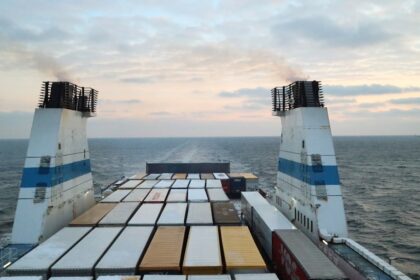
On Wednesday, July 29, Russia successfully sent the Arctic Pioneer, its first conventional non-ice-class LNG carrier of the year, to the Arctic LNG 2 project. This milestone underscores an increasing reliance on the Northern Sea Route (NSR) to maintain energy exports amid ongoing Western sanctions.
Strategic Shift to the Arctic
The NSR has gained prominence for Russia due to escalating security risks in southern shipping lanes, particularly related to Ukrainian drone attacks impacting Black Sea ports and instability affecting the Strait of Hormuz and Red Sea. The Arctic region presents a viable alternative, especially during the summer navigation season when receding sea ice allows for a wider array of vessels.
According to vessel tracking data, the Arctic Pioneer made its arrival at the Utrenniy terminal, marking a significant achievement for the Arctic LNG 2 project. In comparison to last summer, Russia has nearly doubled its available fleet for this venture, integrating the domestically manufactured Arc7 LNG carrier Alexey Kosygin along with additional conventional LNG carriers capable of operating in ice-free conditions.


Growing Fleet of Crude Oil Tankers
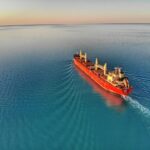
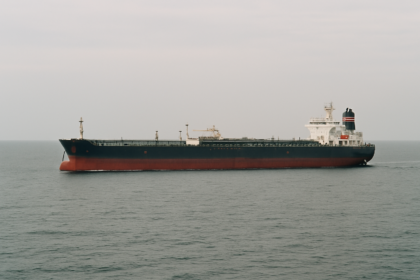
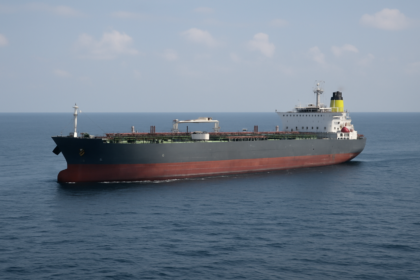
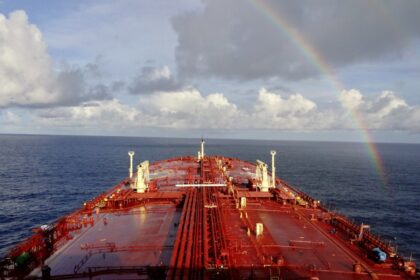
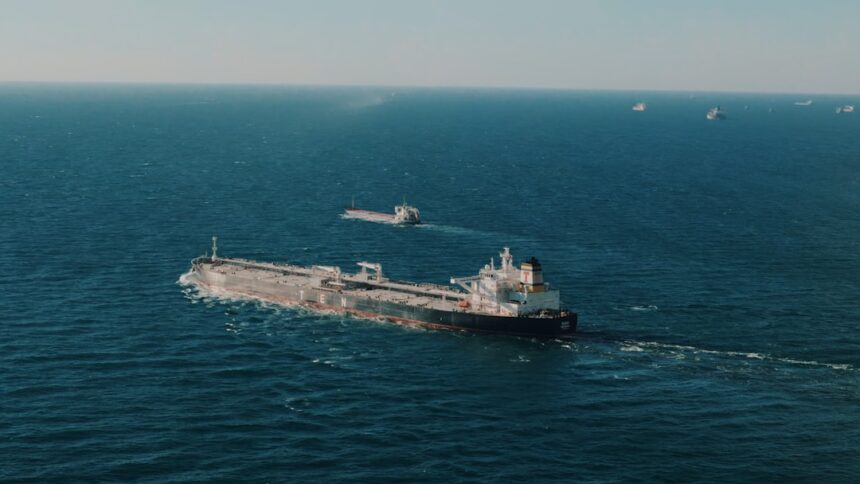
Simultaneously, the Kara Sea is witnessing a buildup of at least seven crude oil tankers in preparation for the eastbound export season. As of Tuesday, six of these vessels were positioned in the eastern Kara Sea, and the Aframax tanker Breeze commenced its transit. The other vessels, including five Aframax tankers—Viktor Bakaev, Vostochny Prospect, Liteyny Prospect, Jagger, and Ligovsky Prospect—are currently stationed, collectively capable of transporting approximately 5 million barrels of crude oil.
These tankers feature the lowest category of ice strengthening, indicating a strategic wait for improved ice conditions and support from Russia’s nuclear-powered icebreaker fleet before navigating the more challenging eastern stretches of the NSR. This concentration of tankers is noteworthy, representing nearly one-third of the total 13 million barrels that Russia exported to Asia via the NSR throughout the entire 2025 summer-autumn navigation season.
The Operational Read
The ongoing developments in the Arctic reflect a critical operational shift, as Russian operators look to capitalize on the summer navigation window. The increase in both LNG and crude oil capacity in the region illustrates a focused effort to minimize vulnerabilities associated with geopolitical tensions in traditional trading routes. For operators and charterers, this autumn season will require close monitoring of ice conditions and potential impacts from tightening sanctions, as conventional carriers are limited to seasonal access while icebreaking vessels continue to pose logistical challenges. The broader market implications suggest a reassessment of routing strategies, with increased reliance on Arctic shipping as a means of reducing exposure to disruptions.