Update 07 Sep 2026, 02:33 UTC:
Traffic through the Strait of Hormuz has dropped to its lowest level since May, averaging just 10 commodity ships transiting per day over the past week. This decline follows heightened tensions marked by recent U.S. and Iranian military strikes on commercial vessels, which have significantly impacted operational activity in this strategic maritime chokepoint.
The Incident
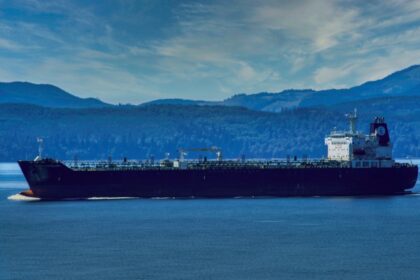
On Saturday, U.S. Central Command confirmed that U.S. forces conducted strikes on three Iranian oil tankers, including a key vessel off Kharg Island, Iran’s most crucial oil export hub. These operations came in response to assaults by the Islamic Revolutionary Guard Corps (IRGC) on U.S. warships in the area. The IRGC has retaliated by targeting three oil tankers on unauthorized routes through the Strait, escalating military confrontations into commercial shipping domains.

Shipping analytics firm Kpler reported that only two vessels passed through the strait on Saturday, with just six transits observed on Sunday, mostly utilizing the Iranian route. The data highlights a notable decline in vessel movements, down from more than 15 daily transits observed earlier in the week. Moreover, no Very Large Crude Carriers (VLCC) have exited the strait since Wednesday, indicating a significant slowdown in shipping operations.
Market Impact
Experts from maritime intelligence firm Marisks characterized the recent U.S. and Iranian strikes as a major escalation in the ongoing maritime conflict, stating that commercial tankers are being weaponized as instruments of economic pressure. This development has created an atmosphere of risk where commercial operations are now closely entangled with military actions. According to UK Maritime Trade Operations (UKMTO), there have been 27 projectile strike incidents in the region since July 6, underscoring the rising dangers for vessels navigating these waters.
Operator Response
The rising threats in the Strait of Hormuz have compelled operators to reassess their routing strategies and risk exposures. Increased war-risk premiums and the potential for demurrage are now critical considerations for tanker operators and charterers. With the clashes between U.S. and Iranian forces actively impacting shipping lanes, operators are likely weighing alternative routes, although rerouting through the longer and more costly Cape of Good Hope may not be feasible for all. The latest incidents could prompt broader discussions within the industry around insurance coverage and operational protocols for vessels operating in high-risk areas.
The Operational Read
The current situation in the Strait of Hormuz reflects a significant shift in the operational landscape for commercial shipping. The use of commercial vessels in reciprocal military actions indicates a troubling convergence of military and economic interests, raising the stakes for operators. Understanding the complex interplay between military developments and the safety of commercial shipping in regional waters is essential for effective risk management. As the situation evolves, vigilance is crucial, particularly for U.S.-linked vessels, given the extreme risks now associated with transiting the Strait of Hormuz and nearby Gulf of Oman.