Update 07 Sep 2026, 10:34 UTC:
Escalation in the U.S.-Iran conflict intensified over the weekend, highlighted by mutual attacks on maritime assets in the critical Strait of Hormuz. On the heels of U.S. airstrikes targeting three Iranian oil tankers, Iran’s Islamic Revolutionary Guard Corps (IRGC) reported that its naval forces engaged a U.S.-operated drone boat, asserting it attempted to intrude into a protected area. This confrontation adds a complex layer to the geopolitical landscape affecting global oil shipments.
The Military Engagement
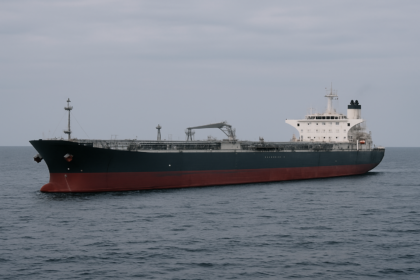
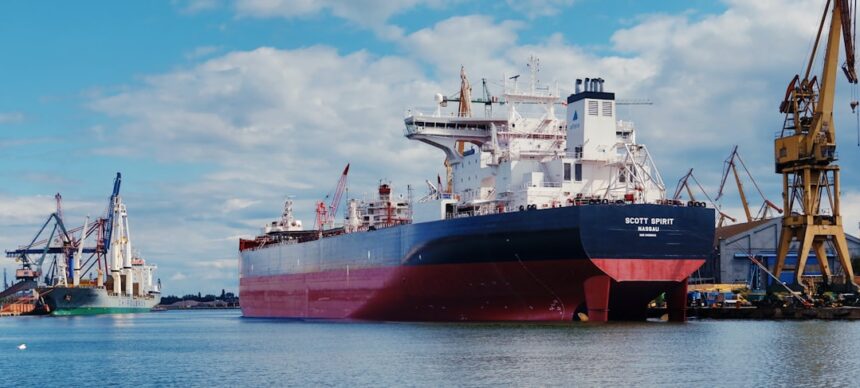
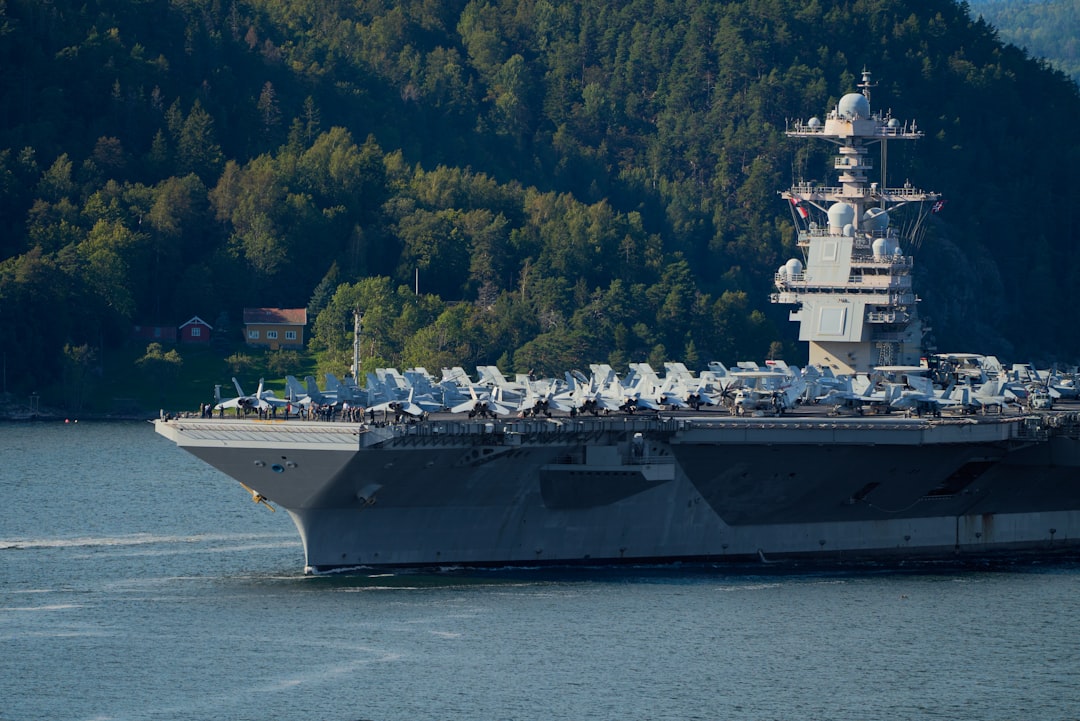
Details emerged following a Saturday incident where the IRGC claimed to have launched ballistic missiles at a U.S. aircraft carrier and Navy destroyer. U.S. Central Command confirmed that the missiles were successfully evaded without injury to personnel. In retaliation, the U.S. struck the Iranian vessels, incapacitating the M/T Downy and M/T Stark 1 while also destroying the unladen M/T Kylo, which subsequently sank in the Gulf of Oman.

Impact on Energy Markets
The ongoing military engagements are negatively impacting Middle East crude oil flows. In August, exports dropped by 39% compared to January and February levels, which had averaged around 18.5 million barrels per day. This trend emerged during a period marked by reduced shipments, leading to concerns over the stability of energy prices globally.
Following the U.S. strikes, Defense Secretary Pete Hegseth warned that continued Iranian aggression against U.S. ships would lead to more severe consequences for Iran’s oil transport capabilities. This warning suggests an ongoing cycle of retaliatory actions may further destabilize energy markets.
The Broader Regional Context
Simultaneously, diplomatic engagements continued as Iran’s Foreign Minister Abbas Araghchi communicated with counterparts in Turkey and Saudi Arabia to discuss strategies for maintaining stability in the region. Meanwhile, tensions have escalated elsewhere; Israel has conducted operations in southern Lebanon and initiated military exercises in response to alleged threats from Hezbollah, and conflict in Yemen persists with reported advances by Iranian-aligned forces.
The Operational Read
The current situation in the Strait of Hormuz poses significant operational challenges for shipping companies and oil traders alike. Extended disruption in this key maritime chokepoint not only heightens security risks but also exacerbates logistical complexities for vessel operations, potentially leading to increased war-risk premiums. Operators must remain vigilant, assessing their route options, and may need to evaluate emergency protocols to handle rising threats. Future developments must be closely monitored, particularly if diplomatic resolutions fail and tensions escalate further, potentially impacting commercial supply chains and global energy prices.