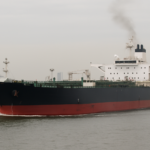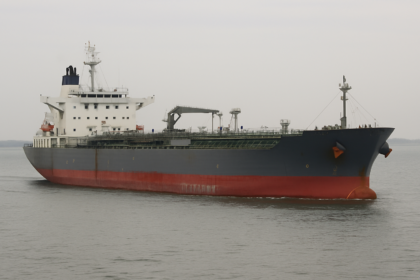
Global Marketing Systems (GMS) has indicated that a recently issued U.S. government license for the recycling of four sanctioned vessels could pave the way to retire ships from the so-called shadow fleet. This development is viewed as a significant move towards managing safety and environmental risks while reinforcing compliance with international sanctions.

Details of the Approval
The U.S. Treasury’s Office of Foreign Assets Control (OFAC) approved this initial licensed transaction following extensive discussions with GMS. Dr. Anil Sharma, GMS Founder and CEO, articulated that this is not merely a singular transaction involving four container ships but rather a crucial precedent for the systematic removal of sanctioned vessels from commerce. The complexities surrounding sanctioned vessels have previously left many without a legal means for disposal, creating safety and operational issues.
Operational Challenges of Shadow Fleet Vessels
The existence of a shadow fleet has notably increased due to heightened Western sanctions on Russian, Iranian, and Venezuelan oil exports. Many vessels within this fleet commonly operate with opaque ownership structures, inadequate insurance, and substandard maintenance practices. This lack of oversight raises significant navigational and environmental safety concerns. Dr. Sharma pointed out that the inability to legally dispose of these vessels has created a persistent issue within the industry: vessels that cannot trade legally yet continue to operate.


Furthermore, the OFAC licensing aims to ensure that these vessels undergo a thorough recycling process. Each transaction requires extensive legal reviews and regulatory approvals, ensuring that all parties involved do not improperly benefit from the sale or recycling of these vessels.
Implications for Sanctions Enforcement
Dr. Sharma emphasized that this OFAC license represents a terminal action designed to permanently retire vessels from commerce rather than a means to facilitate further trade. He contended that establishing a lawful recycling pathway would ultimately reinforce sanctions enforcement by gradually diminishing the number of vessels available for illicit trading activities. This approach reflects a shift in the industry’s strategy, aiming for compliance while addressing environmental concerns.
The complexities of recycling sanctioned vessels and ensuring regulatory adherence, however, are expected to escalate as future transactions may involve more intricate ownership and payment structures. The need for careful documentation and adherence to sanctions remains paramount in maintaining the integrity of the recycling process.
The Operational Read
This recent development highlights a crucial shift in how the maritime industry can address aging vessels within the shadow fleet while ensuring compliance with international sanctions. The ability to legally recycle these ships not only alleviates operational risks but also addresses environmental concerns by preventing the continued operation of poorly maintained vessels. Operators and regulators will need to closely monitor this process and consider its implications for the broader market, particularly as it takes shape in various international jurisdictions.