Update 07 Sep 2026, 18:33 UTC:
Shipping activity in the strategically significant Strait of Hormuz has recently decreased to its lowest level since May, signaling a troubling trend for maritime commerce in the region. According to shipping data from Kpler, the daily average of commodity ship transits over the past 10 days stands at only ten vessels.
The Current Situation
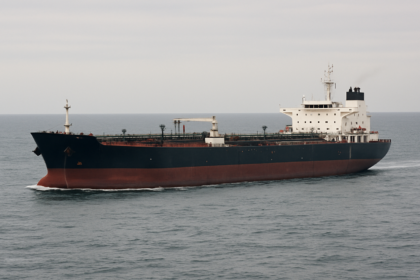
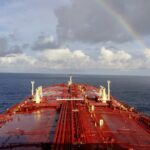
The decline in vessel traffic has been sharp, dropping from more than 15 vessels on Friday to just two on Saturday and six on Sunday, further illustrating the impact of escalating maritime tensions in the region. Kpler’s data indicates that on Sunday, only one very large crude carrier (VLCC) and three bulk carriers entered the strait, while no VLCCs have exited since Wednesday. Additionally, a tanker originating from a Saudi port, which attempted to navigate through the Strait of Hormuz on Sunday, turned back due to safety concerns, according to data from LSEG.


Escalating Maritime Tensions
The downturn in shipping activity coincides with increased aggression in the waterway. The UK’s Maritime Trade Operations Agency has reported 27 incidents involving projectile attacks on commercial vessels operating in and around the strait since July 6. This surge in hostility contributes to the mounting fears among operators about the safety of transit routes crucial for global energy supplies.
The Operational Read
The significant decrease in shipping traffic through the Strait of Hormuz poses serious operational challenges for shipping companies and crews. With a heightened risk environment, the industry may see rising war-risk premiums, influencing charter rates and operational costs. As tensions between the U.S. and Iran continue to escalate, operators will be closely monitoring developments and may be forced to consider alternative routes to mitigate risks, such as longer voyages around Africa’s Cape of Good Hope. The long-term implications could lead to sustained disruptions in trade flows and impact global energy markets.