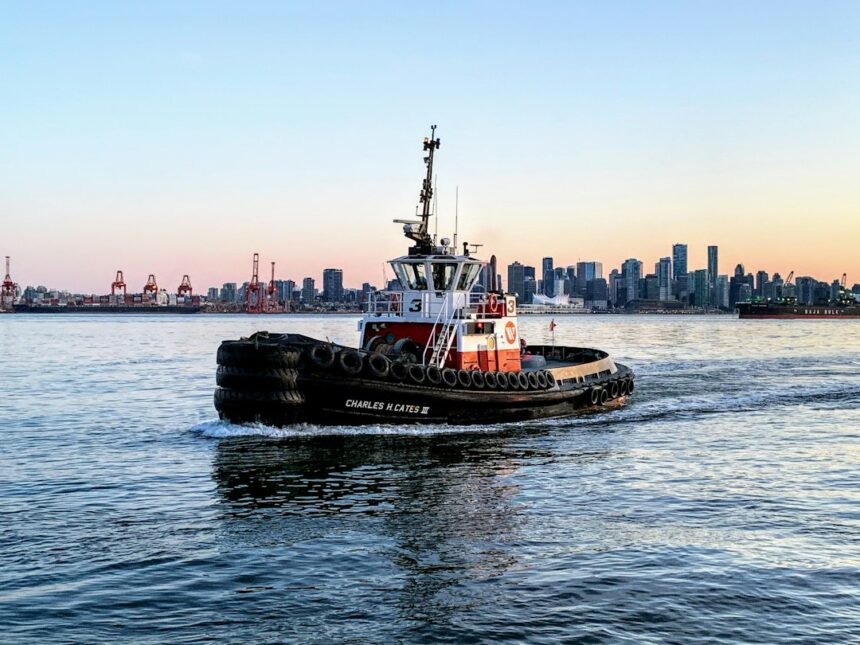
Tallvine Partners has successfully acquired substantially all assets of Crosby Enterprises, a move that significantly bolsters its North American marine platform. The acquisition encompasses more than 150 tugboats, dredges, and support vessels, enhancing Tallvine’s operational footprint in the marine services sector.
This transaction was approved by the US Bankruptcy Court and executed as part of Crosby’s Chapter 11 restructuring process. The court-supervised sale reflects ongoing efforts to stabilize and optimize the asset base within the marine industry, which has faced challenges in recent times.
Strategic Implications
The addition of Crosby’s fleet allows Tallvine to meet the increasing demand for marine support services, particularly in dredging and tug operations. The tugboat and dredging markets are critical for various sectors, including construction, oil and gas, and environmental remediation, underscoring the importance of this acquisition.

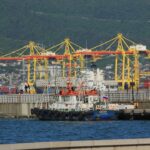
Tallvine’s strategic expansion aims to position the company favorably within an evolving marine landscape, where increased investment in infrastructure is anticipated. The expanded fleet will allow Tallvine to better serve its clients while potentially exploring new market opportunities.

Market Landscape
Crosby Enterprises’ decision to enter Chapter 11 prior to the sale indicates potential distress that could affect various operators in the marine sector. The ongoing restructuring processes within the industry suggest that companies may face challenging operational environments, leading to further consolidation.
This acquisition points to a trend where larger investors may capitalize on struggling entities, allowing for the integration of versatile assets that can be leveraged for improved operational efficiency. As competition grows, operators will need to refine their service offerings and operational practices to retain and expand their market presence.
Behind the Headline
The acquisition of Crosby Enterprises by Tallvine Partners showcases a strategic consolidation in the marine sector, driven by evolving market demands and financial pressures. For operators, this shift signifies a potential increase in competitive dynamics, particularly in tugboat and dredging services. The challenges faced by Crosby highlight vulnerabilities within the industry that larger players may exploit for growth. Moving forward, stakeholders should monitor how these consolidations affect operational costs, service availability, and overall market stability.