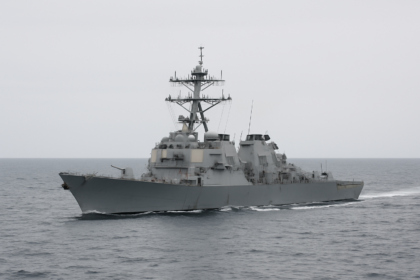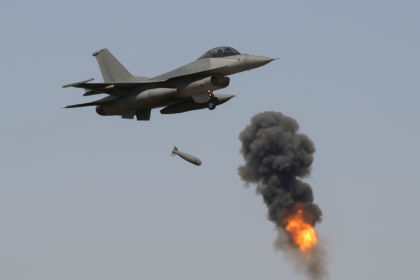
On July 29, the United States, in coordination with Saudi Arabia, conducted airstrikes against Iran-backed armed groups positioned in Iraq. This marks the first major U.S. military operation in the Middle East since last week’s suspension of an intensive bombing campaign. The strikes follow drone attacks on Saudi oil installations attributed to these groups, illustrating a significant increase in regional hostilities.
The Incident
The joint military action comes as Iraq’s Popular Mobilisation Forces declared that at least 20 of their members were killed and 32 wounded due to the U.S.-Saudi strikes. This incident is significant as it shows the willingness of the U.S. to re-engage militarily in the region, particularly in its long-standing conflict with Iran’s proxies. The strikes served as a retaliation for the drone incursions that had targeted key energy infrastructure in Saudi Arabia.
Responses from Iran and Iraq
In a marked response, Iranian officials have denied an Omani proposal for joint management of the strategically important Strait of Hormuz, asserting their right to protect their interests in the region. Reports indicated that Iranian forces had launched ballistic missiles towards U.S. military installations in Jordan and had engaged in firing at ships, further escalating tensions in the area. Meanwhile, Iraq’s Shi’ite-led government convened an emergency meeting, reflecting the delicate balance it must maintain amidst increasing external pressures and the influence of Iranian paramilitary groups.

Market Impact
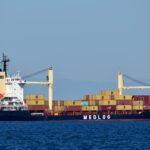
The escalation of military actions has resulted in fluctuations in oil prices, indicating potential market volatility as the conflict continues. Oil traders are closely monitoring developments, as any major disruption to shipping routes, particularly through the Strait of Hormuz—which is a critical chokepoint for global oil shipments—could lead to significant increases in war-risk premiums. The shipping community is now weighing options for safeguarding their vessels against the backdrop of heightened military activity.
The Operational Read
This recent escalation underscores the heightened risks faced by commercial shipping through the Strait of Hormuz, a vital corridor for global oil supplies. Operators must now consider increased security measures and potential rerouting, which may significantly impact shipping times and costs. The involvement of Saudi Arabia as an active participant in military operations representatives an unprecedented shift in the regional power dynamics, introducing more complexity into an already volatile situation. Stakeholders should prepare for the possibility of expanded conflict and consider the implications for trade routes and insurance premiums in the coming weeks.