Oil prices soared above $100 per barrel on July 23, driven by Houthi attacks on Saudi-flagged vessels in the Red Sea, marking the first such incidents since last year. As geopolitical tensions escalate, the market is grappling with the supply implications of these assaults on crude oil deliveries to vital regions.

The Incident
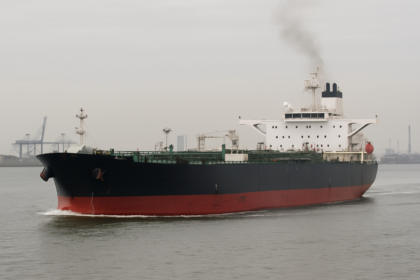
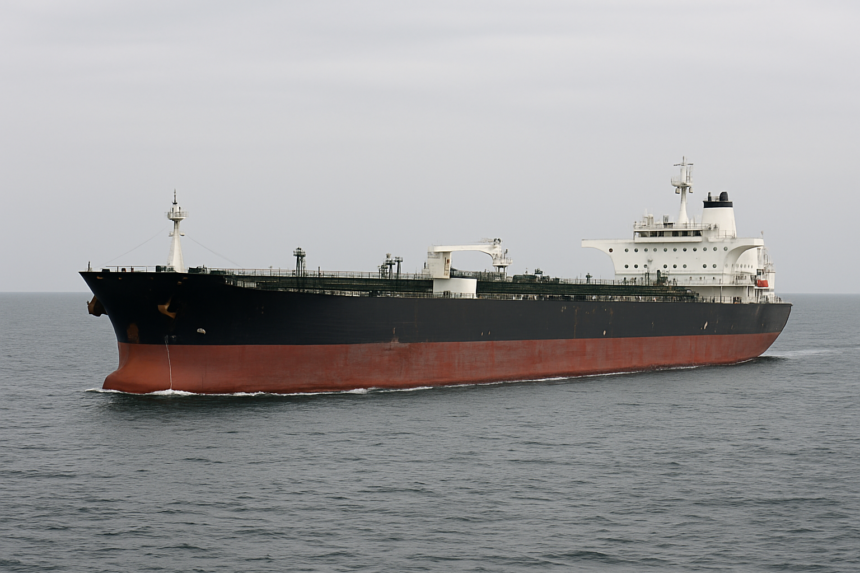
The Yemeni Armed Forces, affiliated with Houthi militants, claimed responsibility for the attacks on the crude oil tanker Layla and the products tanker Encelia, alleging violations of Saudi maritime embargoes. The Saudi Press Agency confirmed that the attack on Encelia resulted in a fire, but reported that the crew remained unharmed, and measures were implemented to protect the marine environment.
Market Impact
The attacks have led to a sharp increase in oil prices, with the ICE September Brent futures contract climbing by $6.62 per barrel, settling at $100.69 per barrel—the highest level since May. Meanwhile, the NYMEX September WTI contract rose by $5.36 per barrel to reach $92.19. These fluctuations are indicative of escalating concerns regarding crude supply chains, particularly with the already strained Strait of Hormuz and Bab al-Mandab Strait, which serve as significant transit routes for oil shipments.


Data from S&P Global indicated that crude and refined product transits through Bab al-Mandab averaged 2.6 million barrels per day earlier in July, a decrease from 5.5 million barrels per day in June, reflecting changing shipping patterns in response to regional instability. This has prompted at least five tankers departing from Yanbu to alter their courses, further illustrating the tangible impacts of heightened risks in the region.
Operator Response
As market dynamics shift, operators are adjusting their strategies to mitigate risk. With premiums for various crude grades rising sharply—such as the Murban crude premium escalating by $17.58 per barrel—market participants are eyeing alternative routes and bunkering options. The widening backwardation along crude oil forward curves indicates the market’s uncertainty about future supply, compelling operators to consider the implications of consecutive regional disruptions. According to industry experts, the combination of threats in the Strait of Hormuz and the Red Sea complicates pricing forecasts, as the physical oil market faces dual pressures.
The Operational Read
The recent Houthi attacks underscore the volatility and risk associated with maritime operations in the Red Sea and surrounding regions. For operators, the strategic implications are profound; contingency planning must now account for potential disruptions along critical supply chains. With various insurance underwriters increasing war-risk premiums and cargo owners hesitant to engage in transits through high-risk areas, shipping routes are likely to see realignment as vessels seek to avoid conflict zones. As geopolitical tensions expand, the market participants will be watching closely for further developments, particularly in response to any potential escalations involving Iran and its regional proxies.