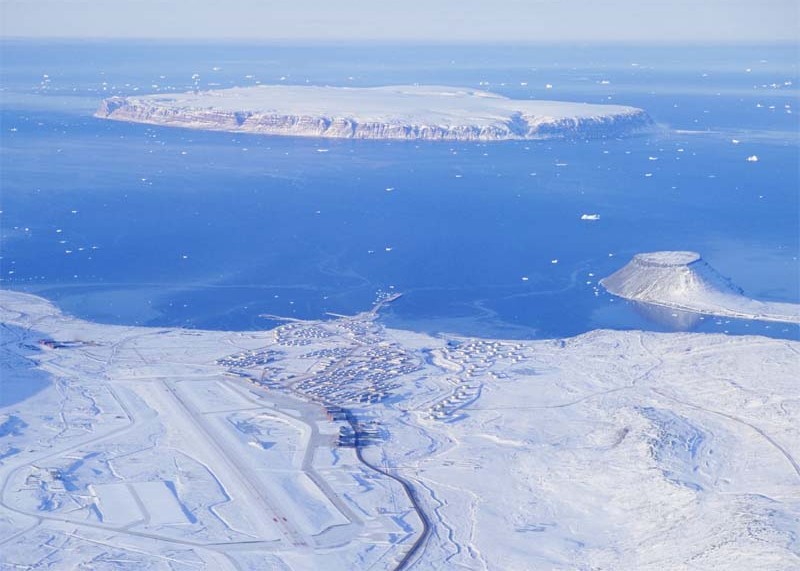
On September 19, 2026, a new security deal was announced between the United States, Denmark, and Greenland, significantly bolstering Washington’s military role on the Arctic island while preserving its territorial sovereignty. President Donald Trump characterized the agreement, set to be formally signed next week at the United Nations General Assembly, as a means to ensure ‘permanent control over security’ in Greenland.
The Agreement Details
The agreement emerges as a resolution to a prolonged diplomatic impasse that strained relations within NATO. Denmark’s Prime Minister Mette Frederiksen emphasized that the pact acknowledges Denmark’s sovereignty and the self-determination rights of the Greenlandic people, thus leaving land ownership untouched. This development is viewed as a retreat from Trump’s earlier ambitions to purchase Greenland, which had previously fueled mistrust among NATO allies.
In practical terms, the deal will grant the US the authority to block potential military bases or investment initiatives by adversaries in Greenland, addressing strategic concerns in an era marked by increasing geopolitical tensions in the Arctic. While a historic bilateral agreement dating back to 1951 already allowed US military presence under certain conditions, new elements appear to enhance the US’s veto power over foreign military establishments on the island.



Regional Implications
Experts view the agreement as a restoration of balance between military imperative and territorial respect amidst heightened Arctic competition, primarily from nations like China and Russia. As military activities intensify in this strategic region, the need for clear governance and established protocols has grown increasingly critical. Marc Jacobsen, an associate professor at the Royal Danish Defence College, assessed the arrangement as a necessary political maneuver for Trump amid ongoing international challenges, including the Ukraine conflict and rising domestic issues.
The US aims to expand its military footprint in Greenland immediately and collaborate with local authorities on the development of military infrastructure, all stated to incur no cost to the United States. This aspect is crucial as it diffuses criticism regarding expenditure and sovereignty concerns among Greenlanders.
The Operational Read
From an operational perspective, this agreement solidifies the US’s strategic foothold in the Arctic, a region of growing military significance. For operators and stakeholders in maritime security, understanding the evolving regulatory framework governing military engagement in Greenland is essential. The pact underscores the US’s commitment to maintaining dominance over Arctic security, affecting naval deployments, resource extraction activities, and international shipping routes. As geopolitical dynamics shift, industry leaders should monitor developments surrounding infrastructure expansions and potential disclosures of the agreement’s full terms to assess their long-term implications for regional stability and operational predictability.