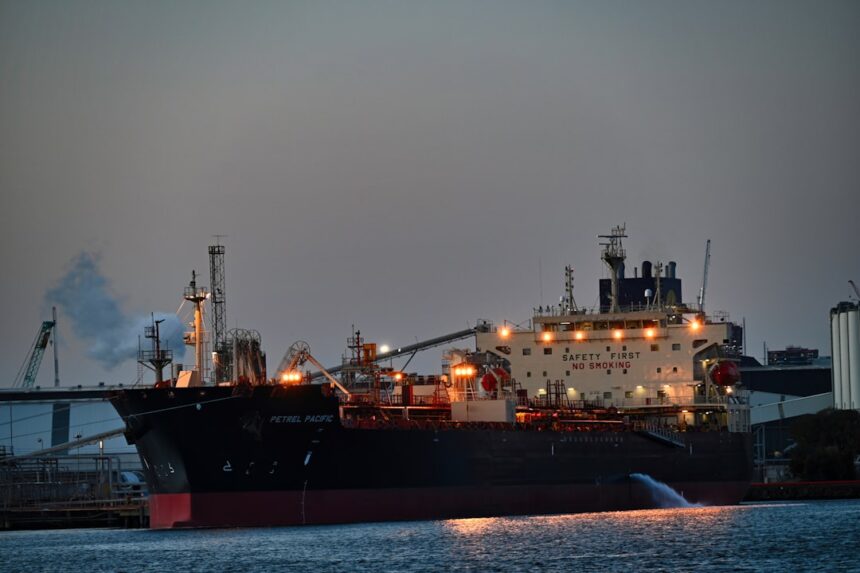
Sealand Equipment Group, a subsidiary of Shandong Port, has marked its entry into the chemical tanker market by securing its first order for a newbuilding with a capacity of 10,000 deadweight tonnes (dwt). The contract, finalized with an unnamed European customer, represents a significant milestone for the company in expanding its fleet and capabilities within this sector.
Vessel Specifications
The new chemical tanker is set to be RINA-classed and is specifically designed to transport a range of chemical cargoes classified as IMO II and III. This classification ensures that the vessel meets stringent international safety and environmental standards, making it suitable for transporting potentially hazardous materials.
In a move toward achieving greater operational efficiency, the vessel will incorporate advanced power management systems, including a shaft-generator DC bus coupled with battery storage. This configuration is expected to improve the versatility of power usage on board, allowing for seamless adjustments based on operational demands.

Market Context
The order comes at a time when the demand for chemical tankers is experiencing a resurgence due to increased global trade in chemical products. The flexibility of being able to carry both IMO II and III cargoes positions Sealand Equipment Group favorably within a competitive market. As environmental regulations tighten, demand for efficient and compliant vessels continues to rise, making this order a strategic investment for the company’s future.
Behind the Headline
The acquisition of a chemical tanker by Sealand Equipment Group not only marks its first venture into this specific segment but also reflects the broader trend within the maritime industry toward enhancing environmental sustainability and operational flexibility. Incorporating advanced systems such as battery storage and DC bus connectivity indicates a shift towards greener shipping practices, which are becoming critical for compliance with evolving regulations. For operators and charterers, the real implications of this development may be seen in the potential for reduced operational costs and improved regulatory compliance, positioning such vessels as attractive options in the growing chemical transport market.